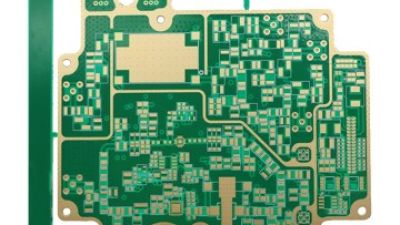
You know, with the electric vehicle (EV) market growing so fast, there’s definitely a spotlight on better, more efficient lighting solutions. And one of the key players here is the Metal Core Pcb for EV lighting — it’s pretty much essential. According to a report from ResearchAndMarkets, the Metal Core PCB market in the automotive side is expected to grow at around 15% annually until 2026. That’s a pretty clear sign that quality and reliability are more important than ever when choosing wholesale ODM options.
I spoke with industry expert Dr. Sarah Thompson, and she mentioned, “Picking the right Metal Core PCB can really boost thermal management and help these lighting systems last longer.” Her point? It’s all about finding suppliers who truly understand the technical ins and outs of these components. As manufacturers are under more pressure to deliver high-performance lighting, getting the right Metal Core PCB really makes a difference.
When you're vetting suppliers, it’s smart to look into their experience with structural designs and how well their products handle heat. Certifications and a history of successful projects are pretty important, too. The EV lighting scene is evolving fast, and not every product out there meets those tough standards. All of this means you really need to rethink your sourcing strategies to stay ahead and get the best results in this competitive market.
Understanding the Basics of Wholesale ODM Metal Core PCBs
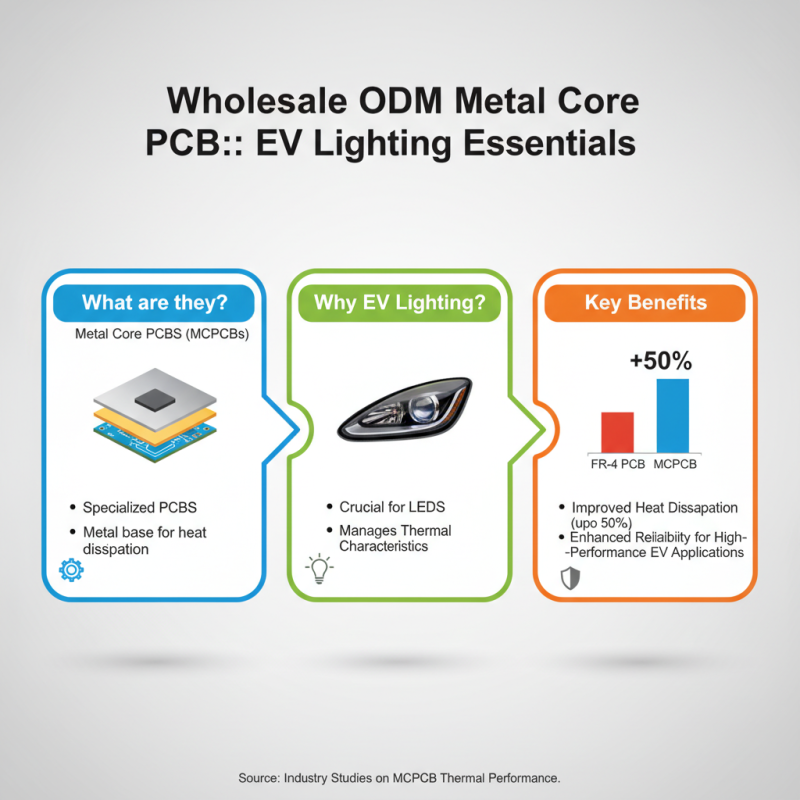
Understanding the basics of Wholesale ODM Metal Core PCBs is crucial for the EV lighting industry. Metal core printed circuit boards (MCPCBs) are essential for managing thermal characteristics in LEDs. According to industry studies, MCPCBs can improve the thermal heat dissipation by up to 50% compared to traditional FR-4 PCBs. This reliability is vital for high-performance applications in electric vehicles.
When selecting a wholesale ODM metal core PCB supplier, consider the materials used. Aluminum and copper are popular choices, each offering unique benefits. Aluminum MCPCBs are lightweight and cost-effective, while copper MCPCBs provide better thermal conductivity. Research indicates that 60% of manufacturers prioritize thermal performance when sourcing PCBs. Understanding these distinctions can help in making informed decisions.
However, evaluating different ODM manufacturers can be daunting. Some offer low-cost solutions that may compromise quality. It’s essential to ask for certifications, such as ISO or IPC standards. Additionally, review case studies illustrating past projects. This information can reveal their expertise and reliability. Not all suppliers are equal, and the wrong choice can lead to poor performance. A careful selection process is critical in ensuring longevity and efficiency in EV lighting applications.
Key Factors in Selecting the Right EV Lighting Solutions
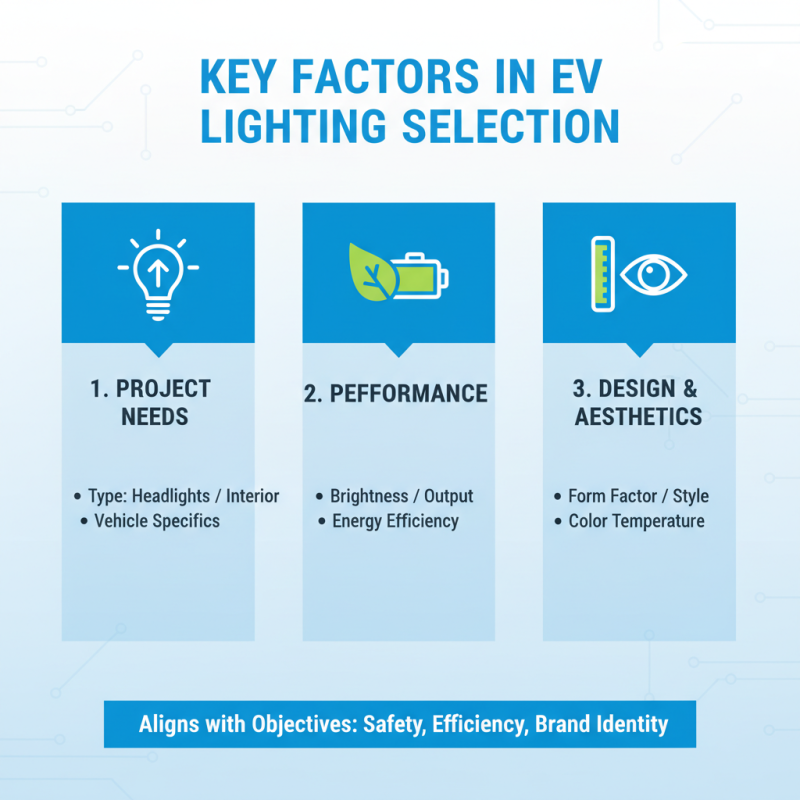
Selecting the right EV lighting solutions requires careful consideration of several key factors. Begin by assessing the specific needs of your electric vehicle project. The type of lighting, such as headlights or interior lights, impacts the decision. Determine how brightness, energy efficiency, and aesthetic appeal align with your objectives.
Quality is paramount when choosing a wholesale ODM metal core PCB. Look for manufacturers that prioritize durability and thermal performance. High-quality PCBs ensure the longevity of your lighting solutions. Review certifications and standards compliance, as these indicate a reliable production process. However, not all certifications guarantee performance—a thorough evaluation is essential.
Cost is another critical factor. While it’s tempting to opt for cheaper options, consider long-term value. A low initial price may lead to higher failure rates. Analyze warranty terms and after-sales support. Integration can also be complex. Engaging with suppliers early in the design process can uncover potential challenges. Be open to feedback from engineering teams. Sometimes, what seems like an ideal solution might require revisions after closer inspection. Balancing these considerations can lead to more effective and reliable lighting solutions for your EV project.
Evaluating the Quality Standards for Metal Core PCBs
When choosing a wholesale ODM metal core PCB for EV lighting, quality standards are essential. Metal core PCBs provide excellent thermal management, crucial for LED applications. Evaluate the materials used. High-quality aluminum substrates enhance heat dissipation and improve light efficiency.
Consider the manufacturing process. A reliable Metal Core Pcb Manufacturer follows strict protocols. This ensures each board meets the required specifications. Look for certifications like ISO 9001. These certifications indicate adherence to quality management systems. Test reports can also provide insight into a manufacturer’s reliability.
Tips: Always request samples before making bulk purchases. Testing prototypes can reveal potential issues early. Evaluate the manufacturer’s experience in the industry. An established provider often delivers better consistency and quality. Also, consider their customer support. Good communication is vital for addressing any concerns quickly.
Cost Considerations for Wholesale ODM Metal Core PCBs
When selecting wholesale ODM metal core PCBs for EV lighting, cost considerations play a significant role. The manufacturing process can drive up costs. Understanding material choices is crucial. Metal cores, such as aluminum, provide efficient heat dissipation but can be more expensive than standard PCBs.
In addition, the quantity ordered impacts total expenses. Bulk purchasing often lowers the price per unit, but initial investments may seem high. Quality control is another aspect to think about. Lower-cost options might lead to higher failure rates, impacting overall project budgets. Even though savings are appealing, they might affect product longevity and customer satisfaction.
Don't overlook supplier reliability. A good supplier can provide valuable insights into production efficiency and cost management. However, you may face issues if you choose based only on price.
Researching supplier capabilities is essential. Ensuring they meet industry standards is non-negotiable. Reflecting on these factors will better influence your decision-making process.
Assessing Manufacturer Reputation and Reliability
When selecting a wholesale ODM metal core PCB for EV lighting, assessing manufacturer reputation is crucial. A reliable manufacturer should have a strong track record in the industry. Look for companies that have been operational for several years. Their experience often translates into quality assurance and expertise. Reviews and testimonials from past clients can also provide insight. It’s vital to directly contact previous customers to gauge their satisfaction levels.
Check if the manufacturer holds relevant certifications. Compliance with industry standards is essential for safety and performance. However, even brand-certified manufacturers can sometimes have issues. Transparency about their production processes can indicate reliability. Look for signs of effective communication and responsiveness. If a manufacturer is elusive or defensive about their practices, it may warrant concern.
Additionally, consider the technology used in manufacturing OEM Metal Core Pcbs. Advanced technologies can enhance performance and durability. Yet, note that the latest technology is not always synonymous with reliability. Some manufacturers may overpromise on innovation without delivering solid results. Always request samples to evaluate the quality of their products firsthand. This assessment can guide your final decision.
Comparison of Metal Core PCB Manufacturers for EV Lighting
Customization Options for Metal Core PCBs in EV Lighting
Customization is vital when selecting wholesale
ODM Metal Core Pcbs for EV lighting applications. These PCBs require specific thermal management properties and electrical performance. Customization options range from thickness, dielectric materials, to copper weights. Tailoring these elements can significantly impact the efficiency and lifespan of the lighting system.
Designing a Metal Core PCB involves understanding the needs of the electric vehicle industry. Each project may demand different specifications. Adding features like vias and cutouts can optimize performance. However, achieving the right balance of cost and quality is often challenging. It’s essential to consult with manufacturers who understand these complexities. Their expertise can help navigate the potential pitfalls in the design process.
Moreover, evaluating the supplier's experience is crucial. Look for providers who have worked with similar projects. This experience often reflects the reliability of the product. However, some companies may overstate their capabilities. Research and verify past projects to ensure they can meet your requirements. Customization can indeed lead to superior results, but it requires careful consideration and due diligence.
Future Trends in Metal Core PCB Technologies for Electric Vehicles
As electric vehicles (EVs) become mainstream, the demand for high-performance components continues to grow. One key component is the
Metal Core Printed Circuit Board (MCPCB), which offers superior thermal management and durability.
Future trends indicate a shift toward lighter materials and enhanced heat dissipation technologies. Manufacturers must focus on integrating advanced materials into their MCPCB designs.
The push for efficiency in EV lighting systems highlights the importance of innovation. Companies are exploring new manufacturing techniques, such as
additive manufacturing, to create more complex and efficient designs. These methods could reduce production costs while improving performance.
However, challenges remain, such as ensuring compliance with industry standards.
Moreover, sustainability will play a critical role in future developments. As regulations become stricter, eco-friendly materials for MCPCBs will gain traction.
This is an area that requires ongoing research and development. Manufacturers must remain agile and responsive to these evolving market demands.
The future of Metal Core Printed Circuit Boards in EV applications looks promising, but attention to detail will be essential.
Exploring the Benefits and Applications of 6-Layer High-Frequency PCBs with Rogers RO4350B and Advanced Shielding Techniques
The advent of 6-layer high-frequency printed circuit boards (PCBs) marks a significant advancement in modern electronic design, particularly when utilizing innovative materials and advanced manufacturing techniques. This hybrid PCB, incorporating metal edging and resin-plugged holes, exemplifies the pinnacle of PCB technology. By combining high-performance materials, exceptional electrical and mechanical properties are achieved, making it an ideal choice for demanding applications.
With an inner and outer copper thickness of 35um, these PCBs excel in power and signal processing capabilities, ensuring that electronic devices operate efficiently even under heavy loads. The implementation of ENIG surface treatment provides excellent corrosion resistance and solderability, enhancing the longevity and reliability of connections. Additionally, the precision of manufacturing allows for a minimum line width/space of 8/5 mils and a minimum via size of 0.2 mm, which facilitates the integration of more components into compact spaces, thereby enhancing functionality.
These high-frequency PCBs are particularly suitable for a wide range of applications, including 5G infrastructure, aerospace electronics, and high-end medical devices. Their design and construction not only meet but exceed the stringent requirements of modern technology, making them a preferred choice for engineers seeking reliable and high-performance circuit solutions. The strategic combination of advanced materials and cutting-edge techniques underscores the capabilities of modern PCB design and its pivotal role in the advancement of electronic systems.
FAQS
: Customization involves adjusting thickness, dielectric materials, and copper weights for specific thermal management and performance.
Each electric vehicle project has unique specifications that affect overall performance and efficiency, requiring tailored designs.
Adding vias and cutouts can enhance functionality, but balancing costs and quality remains a challenge.
A supplier's past experience with similar projects can indicate product reliability. Always verify their capabilities.
Future trends include lighter materials, better heat dissipation, and advanced manufacturing techniques to enhance efficiency.
As regulations tighten, eco-friendly materials will be increasingly prioritized, requiring constant innovation and adaptation.
Ensuring compliance with industry standards while integrating new technologies can complicate the design process.
Yes, new techniques may lower costs and improve performance, but they must be managed carefully to avoid drawbacks.
Customization requires careful planning and due diligence to ensure that the final product meets all specified requirements.
Overstating capabilities can lead to product failures and unmet expectations, making thorough research essential before collaboration.
Conclusion
When selecting a wholesale ODM Metal Core PCB for EV lighting, it's crucial to understand the fundamental characteristics of these components and their application in electric vehicles. Key factors to consider include performance requirements, thermal management, and the specific lighting solutions each project demands. Evaluating the quality standards ensures that the chosen PCBs meet industry benchmarks, while cost considerations can significantly influence overall project budgets.
Furthermore, assessing manufacturer reputation and reliability plays a vital role in securing high-quality products. Customization options allow for tailored solutions that fit unique lighting needs, while keeping an eye on future trends in Metal Core PCB technologies can help companies stay ahead in the evolving EV market. By carefully evaluating these aspects, businesses can select the optimal Metal Core PCB for EV lighting that meets both performance and budgetary goals.