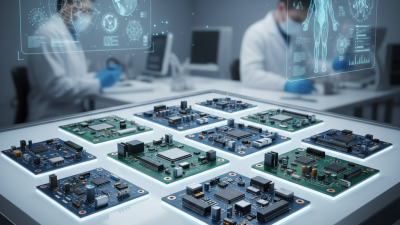
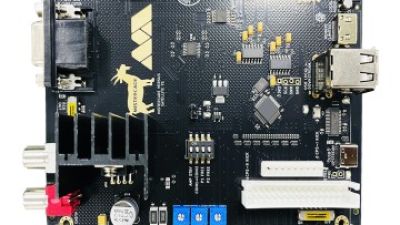
The world of medicine is constantly changing, and one of the coolest areas leading the charge is Medical PCBA innovation. These breakthroughs are really making a difference—improving how we care for patients and making diagnoses way more accurate. Companies like Intel and Siemens are right there on the frontlines, pushing the envelope with the latest tech in their Medical Imaging Pcba solutions.
Medical PCBA is honestly a key player in devices like imaging systems and diagnostic tools. But, and here’s the catch, there are still some hurdles to clear when it comes to making sure these components are consistently reliable and top quality. Some designs, despite all the advances, still fall a bit short in delivering peak performance, which can be pretty risky in critical situations.
As we check out the top 10 innovations out there, it’s good to keep in mind both the wins and the parts that still need work. The whole point of these advances in Medical PCBA is to better connect technology with healthcare—making sure that every step forward not only works better but is also safer and benefits patients more. Each new development is about more than just features; it’s about safety, accuracy, and ultimately, saving lives.
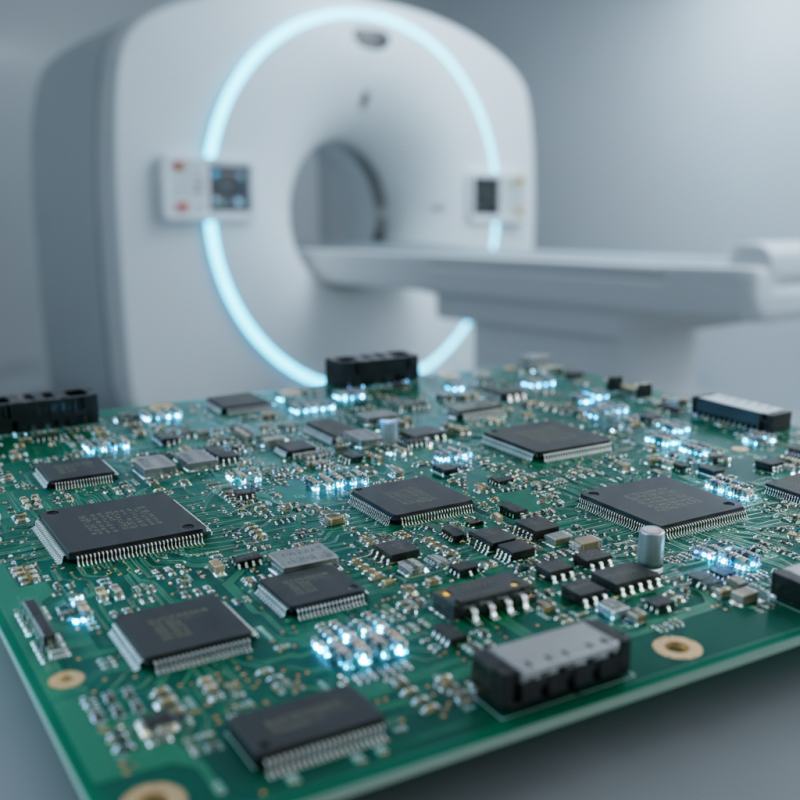
Overview of Medical PCBA and Its Importance in Healthcare
Medical PCBA, or Printed Circuit Board Assembly, plays a crucial role in modern healthcare. This technology integrates electronic components into medical devices. From imaging systems to patient monitoring, it enhances functionality and safety. As technology advances, medical PCBA continues to evolve.
In hospitals, reliable Medical Equipment Pcba ensures timely diagnostics and treatments. For instance, devices like heart rate monitors rely on accurate PCBA for data processing. However, there are challenges. Quality control can be inconsistent, leading to device failures. Furthermore, rapid innovation may outpace regulatory approvals. This imbalance can compromise patient safety.
Electrical components in Medical PCBA must meet strict standards. Each part is vital for performance. Yet, some designs are not user-friendly. Manufacturers must strive for improvement while adhering to compliance. Ultimately, the goal is better patient outcomes and trust in technology. The integration of efficient PCBA solutions is essential, but vigilance and reflection on production practices remain critical.
Emerging Trends in Medical PCBA Technologies
The medical PCBAs are evolving rapidly. New technologies are shaping how devices are conceived and manufactured. One significant trend is miniaturization. Devices are getting smaller, yet more powerful. This trend allows for portable medical equipment that can be used at home, improving patient comfort.
Another emerging trend is the integration of advanced sensors. These sensors provide real-time monitoring and data collection. They enhance accuracy and patient care. However, this integration can complicate the manufacturing process. It requires more precise assembly techniques and quality control measures.
Flexibility in design is also becoming crucial. As medical devices need to adapt to changing patient needs, PCBAs must accommodate this variability. This adaptability is challenging but essential. It prompts engineers to think creatively about design and functionality. Balancing innovation with reliability can be tough, and it often leads to reflective discussions within teams about best practices.
Top 10 Medical PCBA Innovations You Should Know
This chart illustrates the distribution of various innovative technologies in the Medical Printed Circuit Board Assembly (PCBA) sector. The data represents the percentage adoption of each technology within the industry.
Key Innovations Transforming Medical Device Manufacturing
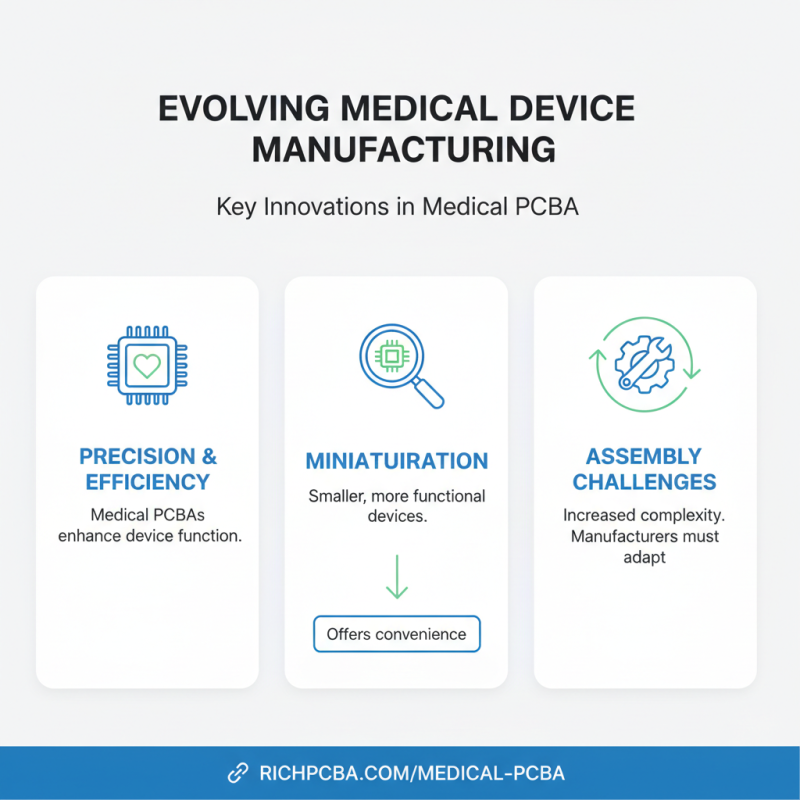
The landscape of medical device manufacturing is evolving rapidly. Key innovations in Medical Pcba are transforming how devices function. These advancements focus on precision and efficiency. For instance, miniaturization allows for smaller and more functional devices. This offers convenience but can also complicate assembly processes. Manufacturers must constantly adapt to address these challenges.
Another notable development is the integration of AI in Medical PCBA. This technology enhances data analysis and predictive maintenance. However, reliance on AI can lead to vulnerability. A glitch in the system could result in device failure. While AI offers many advantages, its limitations demand careful consideration.
Moreover, wireless connectivity is crucial in modern devices. It enables real-time data transmission to healthcare providers. Yet, this opens up concerns around security and data privacy. As devices become smarter, maintaining security is increasingly complex. These innovations in Medical PCBA are revolutionary yet require thorough scrutiny. Balancing innovation with practicality is essential for future success.
Advanced Materials Used in Medical PCBAs
In the medical device sector, advanced materials in PCBAs (Printed Circuit Board Assemblies) play a crucial role. These materials must meet stringent safety and performance standards. For instance, flexible PCBs use polyimide, offering lightweight and durability for wearable devices. According to recent industry reports, the global flexible PCB market is projected to reach $36 billion by 2025, driven by innovations in medical tech.
Tip: When designing medical PCBs, consider using biocompatible materials. They ensure safety for patients using implantable devices.
Another notable advancement is the use of high-frequency materials in medical imaging devices. These materials enhance signal integrity and reduce electromagnetic interference, critical for devices like MRI machines. Currently, the demand for high-frequency PCBs is growing at an annual rate of 10%.
Tip: Engage in continuous material research. Innovations often come from unexpected sources, leading to unique solutions.
Nonetheless, there are challenges. For example, the sourcing of these advanced materials can be inconsistent. It may lead to supply chain issues, impacting device production timelines. Awareness of market fluctuations is essential for manufacturers.
Integration of AI and Machine Learning in Medical PCBAs
The integration of AI and machine learning in medical PCBAs has transformed healthcare technology. Recent studies indicate that
over 60% of healthcare providers are investing in AI solutions for better patient outcomes. This shift empowers devices to analyze vast amounts of data swiftly.
For instance, diagnostic tools can now detect anomalies with an accuracy rate exceeding 90%. However, this rapid advancement poses challenges.
Precision in AI algorithms is crucial. A miscalculation in a
Medical Electronics Pcba
can lead to serious consequences. For example, irregularities in patient monitoring systems can go undetected. While AI enhances efficiency, a reliance on it can result in complacency among medical professionals.
Training remains a barrier. Many practitioners require upskilling to effectively interpret AI-generated insights.
Moreover, the regulatory landscape is evolving but often lags behind technology. The FDA issues guidelines for AI applications in healthcare, yet ambiguity remains.
This uncertain environment leaves manufacturers grappling with compliance issues. Without proper regulatory frameworks, innovations could jeopardize patient safety.
The journey of integrating AI in medical PCBAs is promising yet riddled with complexities that demand attention.
Regulatory Considerations for Medical PCBAs
Regulatory considerations for Medical PCBAs are crucial in today's evolving landscape. The medical industry is tightly regulated. Compliance ensures safety and efficacy. According to a report by Research and Markets, the global medical PCB market is expected to reach $6 billion by 2025. Innovations in design and manufacturing techniques drive this growth. However, navigating regulations can be complex.
Medical Equipment Control Pcba must adhere to standards such as ISO 13485. This standard is pivotal for quality management systems in medical devices. Regulatory bodies like the FDA demand thorough documentation and testing. Companies often face challenges in meeting these guidelines effectively. Some may rush the process, leading to oversight in critical areas.
Quality assurance remains a significant concern. A recent study indicated that nearly 30% of medical device recalls are due to design flaws. Recognizing this risk is essential for industry leaders. Continual improvement in compliance practices should be a priority. Embracing a culture of quality can help mitigate these risks and enhance patient safety. This commitment to regulation and innovation propels the medical PCB sector forward.
Future Directions and Challenges in Medical PCBA Innovations
The future of medical PCBAs (Printed Circuit Board Assemblies) is filled with promise but also challenges. As medical technology advances, the demand for more precise and efficient PCBA designs increases. Innovations like flexible circuitry are gaining traction. These designs can fit into tight spaces and adapt to patient needs. However, manufacturing complexity can hinder widespread adoption.
Data security is another pressing issue in medical PCBAs. With the rise of connected devices, protecting sensitive patient information becomes critical. There is a constant need for enhanced encryption methods. Yet, implementing these advanced technologies can drive up costs and complicate production processes. Finding a balance between security and affordability is essential.
Moreover, regulatory pressures complicate innovation. Compliance with medical standards is necessary, yet it can stifle creativity. While some companies thrive by meeting regulations, others may struggle to keep up. The path forward should be a thoughtful blend of innovation, compliance, and cost management. Balancing these elements will shape the future landscape of medical PCBAs.
Innovative PCBA Switch Motherboard: Elevating Industrial and IoT Applications with Advanced Control Solutions
Innovative PCBA switch motherboards are transforming the landscape of industrial and IoT applications by integrating advanced control solutions that enhance operational efficiency. These motherboards are specifically designed to cater to the unique demands of various sectors, providing a reliable foundation for both industrial machinery and consumer electronics. With a focus on superior quality, these PCBA switch motherboards are engineered to deliver seamless functionality and exceptional performance under challenging conditions.
Manufactured with precision and expertise, PCBA switch motherboards leverage over two decades of industry experience in PCB manufacturing and assembly. This extensive knowledge ensures that each product adheres to strict quality standards, enhancing durability and longevity in diverse applications. Whether it's for automation systems in manufacturing or smart devices in the consumer market, the advanced control solutions embedded in these motherboards facilitate innovative technological advancements, enabling users to achieve greater control and efficiency in their operations.
FAQS
: Product reviews help consumers make informed decisions. They provide insights into quality and usability.
Look for reviews on trusted websites. Cross-check information across multiple sources for accuracy.
Not all reviews are genuine. Some may be biased or manipulated. Always consider the source of the review.
Most platforms allow you to submit reviews after purchase. Provide honest feedback based on your experience.
Expert reviews can be valuable. However, personal experiences often reveal practical insights that experts may not cover.
Focus on specifics. Describe your experience, performance issues, and standout features to help others.
Evaluate feedback critically. Use it to improve your product or service. Ignoring criticism may hinder growth.
Yes, responding shows you value customer feedback. Address concerns professionally to build trust with potential buyers.
Fake reviews can mislead consumers. They create a false sense of quality and can damage a brand's reputation.
Regularly monitor reviews, especially after launching new products. Staying updated helps you identify trends and issues.
Conclusion
Medical PCBA (Printed Circuit Board Assembly) plays a crucial role in the healthcare sector by enabling the development of advanced medical devices. The importance of Medical PCBA lies in its ability to enhance the functionality, reliability, and performance of medical equipment, which can significantly improve patient outcomes. Emerging trends in this field highlight the integration of cutting-edge technologies, such as AI and machine learning, which revolutionize device manufacturing and streamline operations.
Key innovations, including the use of advanced materials, are transforming the landscape of medical device production. These advancements not only address the growing demand for more complex and efficient devices but also comply with regulatory considerations that ensure safety and efficacy. As the industry moves forward, challenges remain, particularly in terms of balancing innovation with regulatory requirements and navigating future technological advancements in Medical PCBA.