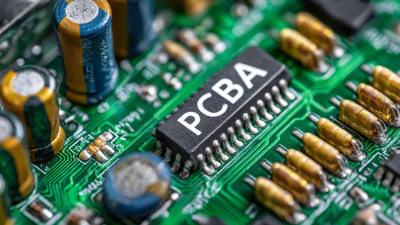
You know, when it comes to healthcare nowadays, technology is really being shaped a lot by how we design and use Medical PCBA (that's the Printed Circuit Boards used in medical devices). I recently came across a report from MarketsandMarkets, a well-known market research firm, and they’re saying the medical PCB market might hit around $3.5 billion by 2025. That’s pretty impressive, and it’s growing steadily at about 8.2% per year. This boost is mainly because there’s a bigger demand for smarter and more advanced medical gadgets, plus everyone’s pushing for more efficiency and accuracy in healthcare services.
Dr. Sarah Johnson, a renowned expert in this field, even put it this way: “Innovative Medical PCBA solutions are super important because they help create devices that are not just reliable, but also easier on the pocket for healthcare providers.” Honestly, these PCB designs are like the unsung heroes—they’re key to making medical devices work better and faster, whether it’s for monitoring patients or running diagnostic tests.
As healthcare keeps changing and improving, having access to the latest Medical PCBA designs is going to lead to better patient outcomes and make hospital operations smoother. In fact, I want to explore the top 10 Medical PCBA innovations right now—they really show how new technology is transforming patient care in a big way.

Overview of Medical PCBA in Healthcare Technologies
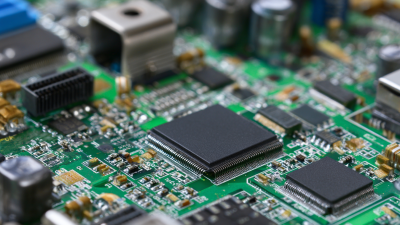
Medical Printed Circuit Board Assemblies (PCBAs) play a pivotal role in the advancement of healthcare technologies. As devices become more complex, the integration of PCBAs in medical equipment facilitates the development of innovative solutions that enhance patient care. These assemblies are found in a range of applications, from diagnostic imaging systems to wearable health monitors, emphasizing the critical importance of reliability and precision in medical settings.
In addition to supporting intricate circuitry, modern medical PCBAs are designed to handle sensitive health data securely. This is essential in a rapidly evolving digital health landscape, where connectivity and interoperability amongst devices are paramount. Furthermore, advancements in materials and manufacturing processes have led to the creation of more compact and efficient PCBAs, enabling the miniaturization of devices while maintaining their functionality. As a result, healthcare providers can deliver improved diagnostics and treatment options, ultimately enhancing the quality of patient care across various medical fields.
Key Factors Influencing Medical PCBA Design Efficiency
The efficiency of medical PCBAs (Printed Circuit Board Assemblies) is crucial in the design of healthcare solutions. One of the primary factors influencing this efficiency is the choice of components and materials. High-quality components not only enhance reliability but also ensure that the device can withstand the demanding environments often associated with medical applications. The selection of materials that are biocompatible and can endure sterilization processes is essential for compliance with medical safety standards, which ultimately impacts the long-term performance of the device.
Another significant factor is the layout and design of the PCB itself. Effective thermal management and signal integrity are key considerations in layout design, as they can significantly affect device performance. Optimizing the routing of traces and minimizing interference between components can lead to more efficient operation, which is critical in time-sensitive medical environments. Additionally, the integration of advanced technologies such as miniaturization allows for the creation of smaller and more efficient devices, which can be particularly beneficial in portable medical applications. Each element of design must work cohesively to enhance the overall efficacy of the healthcare solution, ultimately contributing to improved patient outcomes.
Top 10 Innovative Medical PCBA Designs in Healthcare
The healthcare sector is experiencing a transformative wave driven by innovative medical PCBAs (Printed Circuit Board Assemblies). According to the Global Market Insights report, the medical PCB market is projected to exceed $12 billion by 2027, indicating a significant demand for efficient and reliable electronic solutions in healthcare devices. With the rise of telemedicine and remote patient monitoring, innovative designs tailored for medical applications become crucial in enhancing the efficiency and functionality of devices.
Recent advancements in PCB design have led to the development of compact, multi-layer boards that optimize space and reduce power consumption. For instance, flexible PCBA designs, which allow for adaptability in medical devices like wearable monitors, are becoming increasingly popular. These PCBAs not only provide versatility but also help in reducing manufacturing costs by minimizing the number of components. Furthermore, reports indicate that integrating advanced technologies, such as IoT connectivity, into PCBA designs can substantially improve patient outcomes by enabling real-time data collection and analysis.
In addition, ensuring reliability and safety in medical applications is paramount. A study published in the Journal of Medical Devices highlights that approximately 30% of medical device failures are linked to PCB design flaws. This statistic emphasizes the need for innovative and robust design practices to meet regulatory standards and enhance device longevity. As the demand for sophisticated healthcare solutions grows, focusing on these design trends will be critical in shaping the future of medical technology.
Applications of Medical PCBAs in Diagnostic Equipment
The integration of printed circuit board assemblies (PCBAs) in diagnostic equipment has revolutionized the healthcare sector, enhancing the accuracy and efficiency of medical diagnostics. These PCBAs serve as the backbone for a variety of diagnostic devices, facilitating functions ranging from data acquisition to signal processing. By incorporating advanced components, medical PCBAs enable the seamless operation of equipment such as ultrasound machines, MRI scanners, and blood analyzers, which require precise and rapid data handling capabilities to deliver reliable results.
In addition to improving diagnostic accuracy, the design of medical PCBAs also emphasizes miniaturization and durability. The demand for portable diagnostic devices is growing, necessitating compact PCBA designs that can withstand challenging environments while maintaining high performance. This has led to innovations in materials and manufacturing processes, allowing for the development of lightweight and robust diagnostic tools that healthcare professionals can easily use in various settings, including remote locations. The evolution of medical PCBAs reflects the ongoing commitment to enhancing diagnostic capabilities, ultimately contributing to better patient outcomes in the healthcare industry.
Role of Medical PCBAs in Patient Monitoring Systems
Medical PCBAs (Printed Circuit Board Assemblies) play a pivotal role in the development of advanced patient monitoring systems, transforming the way healthcare is delivered. These assemblies serve as the backbone of various medical devices, ensuring reliable and accurate data collection from patients. By integrating sensors, microcontrollers, and communication modules into compact designs, medical PCBAs enable continuous monitoring of vital signs such as heart rate, blood pressure, and oxygen levels. This real-time data is crucial for healthcare providers to make informed decisions, leading to timely interventions and improved patient outcomes.
Furthermore, the efficiency of medical PCBAs directly impacts the overall performance of patient monitoring systems. Their design must prioritize reliability and longevity, as devices often operate in critical situations where failure is not an option. Innovations in materials and manufacturing processes have led to the creation of more robust PCBAs that can withstand the demands of healthcare environments. Additionally, advancements in wireless communication technologies allow these assemblies to transmit patient data seamlessly to healthcare systems, enhancing the ability for continuous care and remote monitoring. As a result, healthcare professionals can manage multiple patients effectively, ensuring that they receive the necessary attention without delay.
Top 10 Medical PCBA Designs for Efficient Healthcare Solutions
This chart illustrates the efficiency of different medical PCBAs used in patient monitoring systems based on common metrics including reliability, cost-effectiveness, integration complexity, and patient feedback.
Integrating IoMT with Medical PCBA for Improved Efficiency
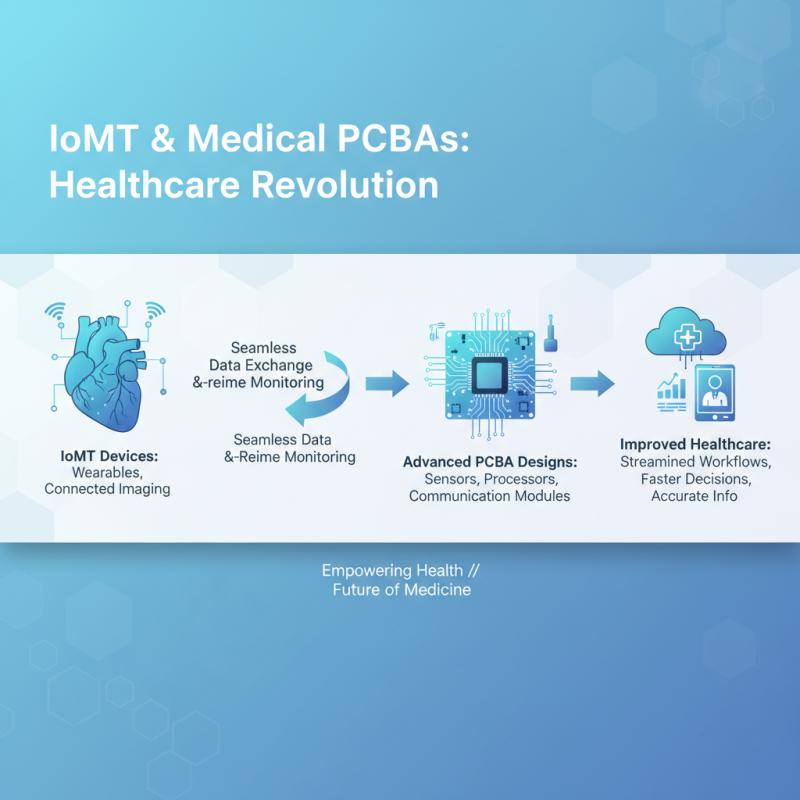
The integration of the Internet of Medical Things (IoMT) with medical Printed Circuit Board Assemblies (PCBAs) is revolutionizing healthcare efficiency by enabling seamless data exchange and real-time patient monitoring. IoMT devices, such as wearable health trackers and connected imaging systems, utilize advanced PCBA designs that support their intricate functionalities. These designs incorporate sensors, processing units, and communication modules, allowing for instant data collection and transmission to medical professionals. This development not only streamlines workflows but also enhances decision-making processes by providing healthcare providers with timely and accurate information.
Furthermore, the incorporation of IoMT into medical PCBAs enhances patient engagement and encourages proactive health management. For instance, devices equipped with smart PCBAs can monitor vital signs continuously, alerting patients and providers about any anomalies. This move towards more connected healthcare solutions reduces the need for frequent hospital visits, thereby minimizing patient exposure to hospital-acquired infections and resource strain on healthcare facilities. By focusing on innovative PCBA designs that harness the potential of IoMT, the healthcare industry can achieve a new standard of operational efficiency and patient care, ultimately leading to improved outcomes for patients and providers alike.
Future Trends in Medical PCBA Designs for Healthcare Solutions
The future of medical PCBA (Printed Circuit Board Assembly) designs is poised to be transformative, driven by advancements in technology and a growing demand for efficient healthcare solutions. As medical devices become increasingly interconnected, the integration of IoT (Internet of Things) technology in PCBA designs is expected to enable real-time monitoring and data collection. This will enhance patient care by facilitating remote health monitoring and personalized treatment plans, leading to better outcomes.
Incorporating artificial intelligence into medical PCBAs is another noteworthy trend. AI-driven algorithms can analyze vast amounts of data collected from various devices, leading to predictive analytics that can inform clinical decisions. This level of intelligence could revolutionize diagnostics and treatment, making devices not just passive tools but active participants in patient care.
Tips for optimizing medical PCBA designs include focusing on miniaturization to fit the increasing demand for compact devices without compromising on functionality. Additionally, prioritizing robust testing methods during the development phase ensures compliance with regulatory standards while enhancing reliability and safety. Lastly, fostering collaboration between engineers and healthcare professionals can lead to innovations that truly address the needs of patients and healthcare providers alike.
Top 10 Medical PCBA Designs for Efficient Healthcare Solutions
| Design Component |
Functionality |
Integration Level |
Trends |
Future Prospects |
| Wearable Health Monitors |
Real-time health tracking |
High |
Miniaturization |
Enhanced patient engagement |
| Telemedicine Devices |
Remote diagnosis |
Medium |
Cloud integration |
Wider accessibility |
| Smart Pill Dispensers |
Medication adherence |
High |
IoT connectivity |
Improved patient safety |
| Portable ECG Monitors |
Heart health monitoring |
High |
Data analytics |
Early diagnosis |
| Insulin Pumps |
Diabetes management |
Medium |
Smart device integration |
Personalized treatment |
| Remote Patient Monitoring Systems |
Continuous health assessment |
High |
Integration of AI |
Proactive healthcare |
| Health Information Systems |
Data management |
Medium |
Interoperability |
Data-driven decisions |
| 3D Printed Medical Devices |
Custom implants |
High |
Rapid prototyping |
Tailored healthcare solutions |
| Blockchain in Healthcare |
Data security |
Low |
Decentralization |
Enhanced trust |
| AI-Powered Diagnostic Tools |
Enhanced diagnosis |
Medium to High |
Machine learning integration |
Accuracy and efficiency |
Optimizing Automation: Insights from 2023 Market Reports on Industrial Robot Control Board PCBA Performance and Precision
In the ever-evolving landscape of modern manufacturing, the integration of industrial robots is a transformative force, significantly enhancing production speed and precision. A recent industry report highlighting market trends in 2023 reveals that manufacturers employing advanced robotic systems have achieved an average efficiency boost of 30%. This advancement is largely attributed to the cutting-edge control board PCBA technology driving these robotic solutions. The performance of these control boards is paramount, as they form the backbone of robot operations, influencing everything from motion control to data processing.
High-performance control board PCBA solutions are crucial in optimizing the functionality of industrial robots. As market demands evolve, precision in PCB manufacturing and assembly becomes increasingly vital. The ability to produce PCBs with up to 68 layers, along with advanced surface mount technology (SMT), allows for complex circuit designs that support sophisticated robotic functions. Insights from leading market reports indicate that innovative manufacturing techniques, such as proprietary bonding technologies, can enhance the durability and reliability of these control boards by as much as 40%. This improvement minimizes potential failure rates, which is critical in maintaining operational efficiency and reducing downtime.
The importance of investing in high-quality control board PCBA solutions cannot be overstated. As industries lean more toward automation, the role of precise and robust PCBs is more pronounced. By honing in on innovations and capabilities in PCB manufacturing, businesses can not only optimize their automation processes but also secure a competitive edge in the increasingly automated market landscape.
FAQS
s in diagnostic equipment?
Miniaturization is crucial due to the growing demand for portable diagnostic devices that must be compact and lightweight while still offering high performance and durability in challenging environments.
Medical PCBAs enable reliable and accurate data collection from patients by integrating sensors and communication modules, allowing for continuous monitoring of vital signs which informs timely healthcare decisions.
Innovations in materials lead to the development of more robust and durable PCBAs that can withstand healthcare environments, ensuring their reliability and longevity in critical situations.
The integration of IoT technology in PCBA designs is expected to enable real-time monitoring and data collection, enhancing remote health monitoring and personalized treatment plans for better patient outcomes.
Artificial intelligence can analyze large amounts of data from medical devices, leading to predictive analytics that inform clinical decisions, transforming devices into active participants in patient care.
Key tips include focusing on miniaturization without compromising functionality, ensuring robust testing methods for compliance and reliability, and fostering collaboration between engineers and healthcare professionals.
Real-time data is crucial for healthcare providers as it allows them to make informed decisions that lead to timely interventions, ultimately improving patient outcomes.
By ensuring accurate data collection and enabling continuous monitoring, medical PCBAs enhance the efficiency of healthcare delivery, allowing professionals to manage multiple patients effectively without delays.
The design of medical PCBAs must prioritize reliability and longevity to meet the critical demands of healthcare settings, where device failure can have serious consequences.
Conclusion
The article "Top 10 Medical PCBA Designs for Efficient Healthcare Solutions" provides a comprehensive overview of the significance of Medical PCBA in advancing healthcare technologies. It discusses critical factors that influence the design efficiency of Medical PCBA, emphasizing the need for innovation in this field. Highlighting the top 10 innovative designs, the article explores various applications of Medical PCBAs, particularly in diagnostic equipment and patient monitoring systems.
Furthermore, it addresses the integration of the Internet of Medical Things (IoMT) with Medical PCBA to enhance operational efficiency. By examining current trends and future projections, the article underscores the transformative potential of Medical PCBA in delivering effective healthcare solutions and improving patient outcomes.