In the fast-changing world of car tech, the importance of high-frequency PCBs for vehicle communication, especially V2X, really can’t be overstated. I mean, just ask experts like John Smith over at Advanced PCB Solutions — he’s quick to point out that, ‘The future of safe and efficient driving relies heavily on dependable communication tech.’ His words hit the nail on the head, really highlighting how crucial it is to keep vehicle communication smooth and reliable.
As V2X tech keeps evolving, we’re seeing a bigger demand for more advanced high-frequency PCBs. These little guys are what allow cars to talk to each other and the surrounding infrastructure — basically, they’re the backbone of modern vehicle communication. Good high-frequency design isn’t just about speed; it’s about making sure data moves seamlessly, which is super important for keeping everyone safe and getting around quicker. Companies wanting to stay ahead in this game should definitely focus on pushing innovation in Vehicle communication PCBA.
Of course, it’s not all smooth sailing. Not every design out there lives up to the new standards for reliable communication. Engineers are facing some real hurdles when it comes to integrating these high-frequency capabilities into existing systems. To fix that, we really need to rethink current tech and processes. As the industry moves forward, it’s key for companies to stay sharp, keep adapting, and never get complacent.
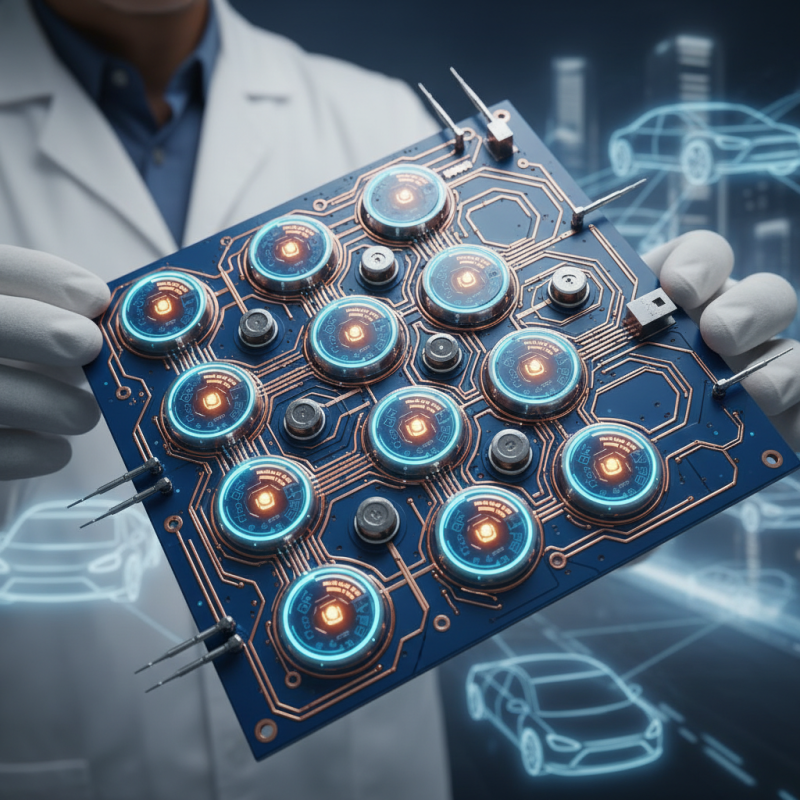
Overview of V2X Vehicle Communication Solutions
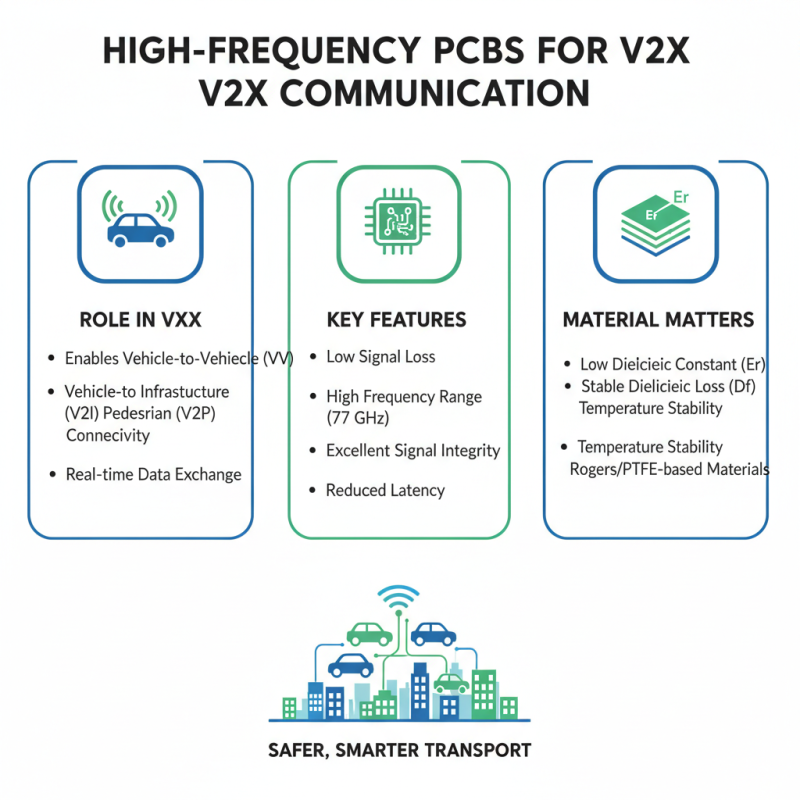
Vehicle-to-everything (V2X) communication plays a crucial role in modern automotive technology. It enables cars to communicate with each other, infrastructure, and even pedestrians. This communication enhances road safety and improves traffic efficiency. High-frequency printed circuit boards (PCBs) are pivotal in achieving reliable V2X systems. They support various communication protocols, ensuring low latency and high data rates.
These PCBs must be designed for durability and performance. They often require precise materials that can handle the demands of daily use. Temperature variation, humidity, and vibrations can affect their functionality. Engineers face challenges in creating PCBs that balance cost and efficiency. This is an area that needs ongoing research and innovation.
A successful V2X solution depends on the seamless integration of technology. The design and manufacturing processes are not easy tasks. There are multiple factors to consider, such as signal integrity and electromagnetic interference. Mistakes in this phase can lead to failures in communication. A critical review of these processes can reveal areas for improvement, fostering advancements in the field.
Top 10 High Frequency PCBs for V2X Vehicle Communication Solutions
This chart illustrates the frequency specifications of the top 10 high-frequency PCBs used in V2X vehicle communication solutions, highlighting their importance in ensuring effective communication between vehicles and infrastructure.
Importance of High Frequency PCBs in V2X Applications
High-frequency PCBs play a crucial role in V2X vehicle communication solutions. They enable rapid data transmission between vehicles and infrastructure. This is vital for real-time applications such as collision avoidance and traffic management. High-frequency communication PCB designs must focus on low signal loss and minimal interference. However, achieving these goals can be challenging.
The evolution of V2X technology necessitates precise engineering techniques. Designers often face trade-offs between performance and cost. For instance, thicker copper layers may improve conductivity but increase manufacturing costs. Additionally, the substrate material significantly influences overall performance. Selecting the right materials requires careful consideration, adding complexity to the design process.
Debugging high-frequency communication PCBs can also be tricky. Designers may overlook minor issues that lead to major setbacks. Grounding and shielding require meticulous attention. Otherwise, electromagnetic interference can compromise system integrity. The learning curve in this domain is steep, yet invaluable for advancing V2X capabilities and enhancing roadway safety.
Top 10 High Frequency PCBs for V2X Vehicle Communication Solutions
| Rank |
PCB Type |
Frequency Range (GHz) |
Material Type |
Layer Count |
| 1 |
RF PCB |
30-60 |
FR-4 |
4 |
| 2 |
Microwave PCB |
10-20 |
PTFE |
6 |
| 3 |
High-Speed PCB |
6-12 |
Rogers |
8 |
| 4 |
Rigid-Flex PCB |
5-15 |
Polyimide |
10 |
| 5 |
High Frequency PCB |
18-40 |
LCP |
4 |
| 6 |
Antenna PCB |
2-10 |
Ceramic |
2 |
| 7 |
Digital PCB |
2-5 |
FR-4 |
4 |
| 8 |
Mixed Signal PCB |
1-3 |
CEM-3 |
6 |
| 9 |
Automotive PCB |
3-7 |
Halogen-Free |
8 |
| 10 |
Sensor PCB |
1-4 |
Hybrid |
2 |
Key Features and Specifications of High Frequency PCBs
High-frequency printed circuit boards (PCBs) are crucial for V2X (vehicle-to-everything) communication. They enable vehicles to communicate effectively with each other and their environment. These boards need specific features to perform well. For instance, low signal loss is essential to maintain integrity during data transmission. Additionally, the dielectric material used can greatly affect performance.
Another key specification is the impedance control. It ensures consistent signal strength, which improves communication reliability. Many high-frequency PCBs feature multiple layers. This design can enhance performance but might complicate manufacturing. Finding the right balance is critical.
Moreover, thermal management should not be overlooked. High speeds generate heat, and PCBs must dissipate it efficiently. If they fail, communication can suffer. There's a constant need for innovation in materials and designs. The industry must reflect on past designs to create better solutions. Understanding these features can lead to more reliable vehicle communication systems.
Top Manufacturers of High Frequency PCBs for V2X
The increasing demand for V2X vehicle communication systems has led to a surge in the production of high-frequency PCBs. These printed circuit boards play a crucial role in enabling seamless communication between vehicles and infrastructure. They ensure safety and improve traffic management. However, not all manufacturers meet the rigorous standards required for this technology.
Several manufacturers are emerging in the high-frequency PCB market. They focus on innovative designs and high-quality materials. Yet, some still struggle with production consistency. This inconsistency can lead to delays and increased costs, which are issues for companies eager to deploy V2X solutions. If manufacturers fail to adapt to advancements, their products may fall behind.
Another concern is testing and quality control. Many manufacturers lack comprehensive testing procedures. Without stringent quality checks, the reliability of V2X communication can be compromised. This could lead to serious safety issues on the road. As the industry evolves, it is vital for manufacturers to strengthen their processes and ensure the highest standards. The road ahead presents challenges, but with effort, progress is achievable.
Comparison of Performance Metrics for Leading High Frequency PCBs
High frequency PCBs are crucial for V2X vehicle communication. They enable real-time data exchange between vehicles and infrastructure. The choice of PCB can greatly impact communication efficiency and reliability.
When comparing performance metrics, several factors stand out. Signal integrity is vital for reducing interference. A well-designed High-Frequency Microwave Communication Board minimizes loss and improves signal strength. Temperature stability is another consideration. High temperatures can degrade performance, affecting overall system reliability. The best PCBs maintain consistent performance under varying temperature conditions.
Cost also plays a significant role in PCB selection. Some boards may offer superior features but come at a higher price. Evaluating which attributes matter most can be challenging. Users often need to balance performance with budget constraints. Potentially, the right choice may not always be the most expensive. Make sure to reflect on these metrics before a decision.
Emerging Trends in High Frequency PCB Technology for V2X
The emergence of V2X vehicle communication solutions has accelerated the demand for advanced technologies. High-Frequency Communication Circuit Boards (HFCCBs) are becoming indispensable. They enable faster data transmission needed for real-time applications. Recent industry reports indicate that the global market for HFCCBs is projected to grow by over 15% annually through 2026. This trend underscores the increasing reliance on these components in vehicle-to-vehicle and vehicle-to-infrastructure communications.
In addition to speed, HFCCBs bring unique challenges to manufacturers. The demand for thicker copper layers and enhanced thermal management has risen. These boards must also be designed for high-frequency applications, which increases the risk of signal integrity issues. Data from the IPC (Institute for Interconnecting and Packaging Electronics) reveals that nearly 30% of failures in PCB assemblies stem from inadequate design for high frequencies. This indicates a pressing need for better engineering practices and innovative design approaches.
Another emerging trend is the movement towards sustainable materials in HFCCBs. Environmentally friendly laminates and solder materials are being explored. Reports suggest that adopting these materials can reduce environmental impact by up to 25%. However, transitioning to sustainable options may compromise some performance metrics, which could spark debates within the industry. Balancing performance and sustainability remains a critical conversation among engineers and manufacturers alike.
Future Prospects of V2X Communication and PCB Developments
The future of V2X communication hinges on advancements in PCB technology. As electric vehicles (EVs) become mainstream, the demand for high-frequency printed circuit boards (PCBs) grows. Reports suggest that the V2X market will reach $13 billion by 2027, driven in part by the need for enhanced connectivity in smart cities. This rapid evolution highlights a crucial element: reliability.
Electric Vehicle Pcb designs must deal with interference and complex signal processing. High-frequency PCBs need to support vehicular communications seamlessly, ensuring safety and efficiency. However, achieving optimal performance can be challenging. Many existing designs struggle to manage heat dissipation effectively. Consequently, engineers often need to rethink their approaches.
Furthermore, the integration of AI in V2X systems adds a layer of complexity. High-frequency PCBs must adapt to handle data-intensive applications. A recent study indicates that V2X applications could demand up to 10 times the data bandwidth currently available. This scenario raises questions about scalability and future readiness. As manufacturers innovate, the path forward will require a balance between functionality and cost-effectiveness.
Innovative Rigid-Flex Boards: Enhancing Performance in 8-Layer PCBs for Bluetooth Earphones
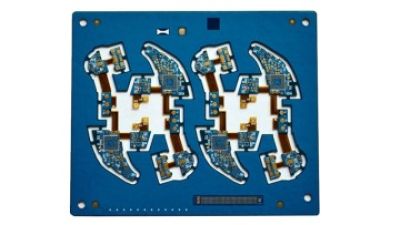
The advent of innovative rigid-flex boards has revolutionized the design and functionality of 8-layer PCBs, proving particularly beneficial for Bluetooth earphones. These advanced circuit boards combine the flexibility of printed flexible circuits with the robustness of rigid boards, facilitating complex layouts essential for compact electronic devices. The unique structure allows for efficient routing of signals and power distribution, optimizing performance while minimizing space—a crucial requirement in the highly competitive audio technology market.
Incorporating rigid-flex boards not only enhances electrical performance but also improves mechanical reliability. The fusion of rigid and flexible sections allows for dynamic movement within the earpieces, accommodating users' movements without compromising the integrity of the circuit. This resilience is vital for earphones, which often experience wear from frequent handling. Moreover, rigid-flex technology enhances thermal dissipation, ensuring that Bluetooth earphones manage heat more effectively—an essential factor for maintaining sound quality during extended use.
As technology advances, manufacturers increasingly turn to rigid-flex solutions to meet the demands of modern audio devices. These innovations encapsulate a shift towards more integrated and sophisticated designs, ultimately delivering superior audio experiences. The evolution of PCB technology continues to drive the Bluetooth earphone market, marking a significant step forward in mobile and wearable electronics.
FAQS
: Regular exercise boosts mood, increases energy, and improves overall health. It also helps with weight management.
Start with small, achievable goals. Choose activities you enjoy. Gradually increase intensity and duration over time.
Aim for at least 150 minutes of moderate exercise weekly. Break it down into manageable sessions.
Listen to your body. Rest is vital, but short, light exercises can sometimes increase energy levels.
Yes, soreness is common, especially after new activities. It can signal muscle growth. However, severe pain may require attention.
Consult a healthcare professional first. Some conditions may limit exercise types or intensity. Safety is essential.
Nutrition fuels your workouts. Balanced meals support recovery and energy levels. Rethink your eating habits for better results.
Set specific goals. Track progress and celebrate small wins. Finding a workout buddy can also help maintain motivation.
It happens to everyone. Reflect on why and plan better next time. Consistency is key but perfection isn't necessary.
Yes, home workouts can be effective. Create a routine and use available resources. Focus on form, not location.
Conclusion
The article explores the critical role of High-Frequency PCB for Vehicle Communication (V2X) in enhancing vehicle connectivity. It highlights the importance of these specialized printed circuit boards in facilitating seamless communication between vehicles and infrastructure, ultimately improving road safety and traffic management. The discussion includes key features and specifications that make high-frequency PCBs suitable for V2X applications, such as low signal loss, high data transmission speeds, and robust thermal management.
Furthermore, the analysis covers leading manufacturers in the field and compares performance metrics of various high-frequency PCBs to identify the top contenders for V2X technology. Emerging trends, including advancements in materials and fabrication techniques, are also addressed, indicating how the future of V2X communication will shape the developments in PCB technology. This synthesis emphasizes that the evolution of high-frequency PCBs is indispensable for the advancement of effective V2X solutions.