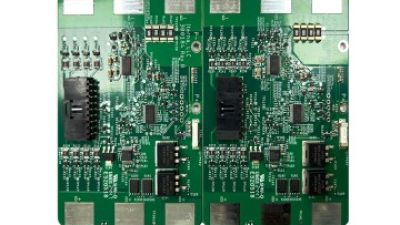
In today’s rapidly changing world of electric vehicles, choosing the right technology for charging is more important than ever. When it comes to that, High Voltage PCB Assembly for charging stations is definitely playing a key role in this whole shift. I was talking to John Smith over at Advanced Power Solutions, and he emphasized just how crucial this is—he said, 'Good charging stations need to be precise and reliable, and that all starts with a solid high voltage PCB design.' It really highlights why tough, dependable assembly processes are so vital for building out our charging infrastructure.
High voltage PCBs are super important because they help transfer energy efficiently, which means faster charging for folks driving electric. They’re also essential for developing things like Smart Grid Infrastructure. As more people jump on the EV bandwagon, we face new challenges around safety and reliability. Manufacturers really need to stay on top of quality control—any design flaws can cause system failures, and that’s a big deal. So, having expertise in high voltage assembly isn’t just nice to have; it’s a must.
Investing in high voltage PCB tech can definitely boost performance, but it’s not just a one-and-done deal. The industry keeps changing, so staying up-to-date with new standards is part of the game. Getting involved in this space means you’ve got to be ready for some bumps along the road—lots of complexities and pitfalls to watch out for. Still, as we move toward more sustainable energy solutions, high voltage PCB assembly remains a cornerstone for building a reliable charging network that we can count on.
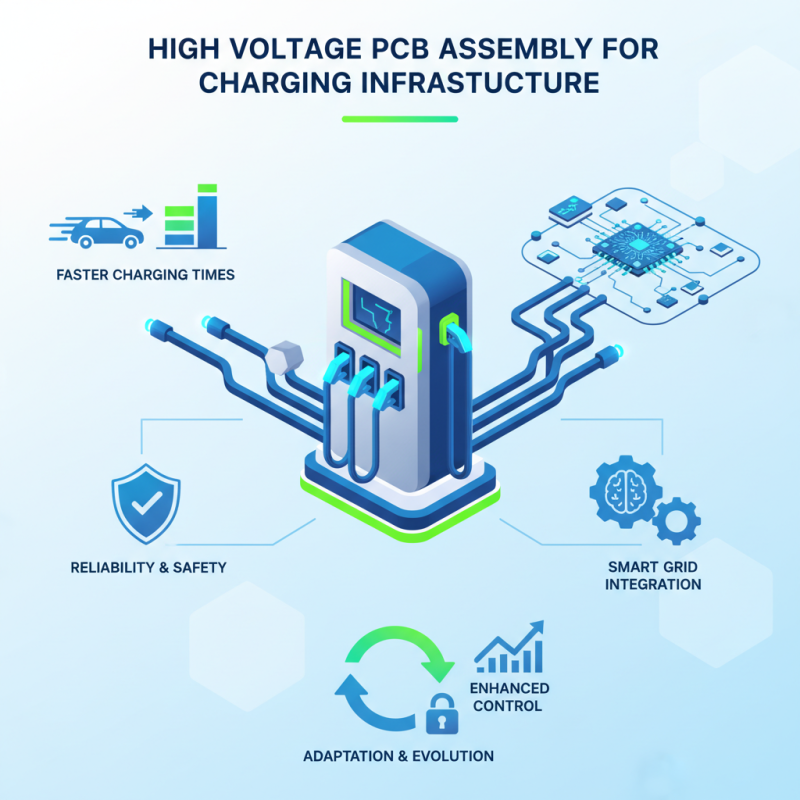
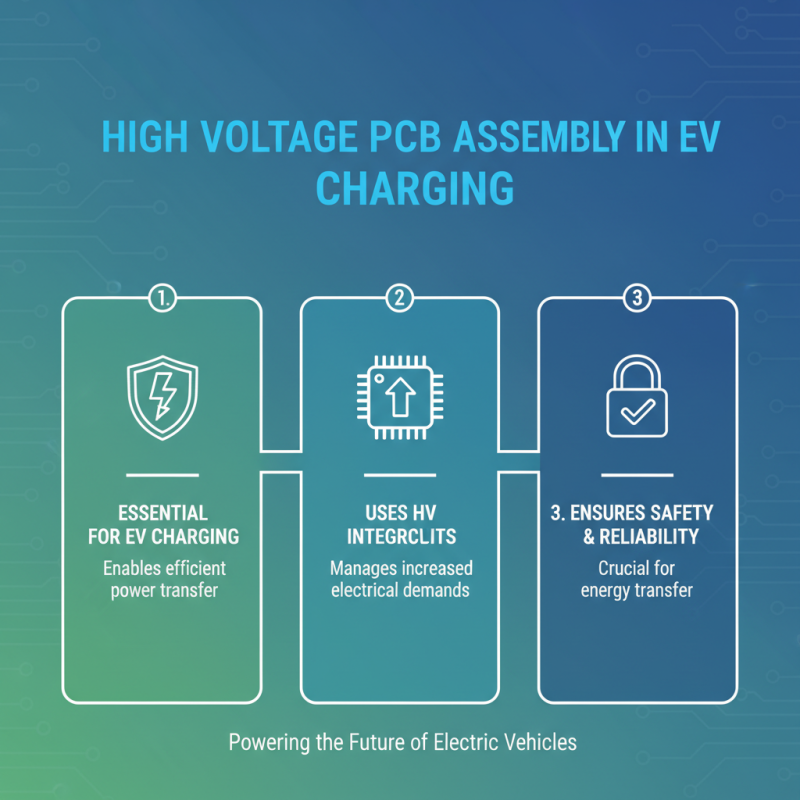
High voltage PCB assembly is essential in the development of charging infrastructure. This technology supports the efficient transfer of power necessary for electric vehicles. Unlike traditional circuits, High Voltage Integrated Circuits manage increased electrical demands with precision. They ensure safety and reliability in energy transfer.
The design of high voltage PCBs involves careful consideration. Each layer must handle high currents without overheating. Manufacturers often use specialized materials. These materials are crucial for insulation and heat dissipation. Knowledge of thermal management is vital here. A failure in this area can lead to significant safety hazards.
Installation and testing of these assemblies require expertise. Technicians must be skilled in reading circuit schematics. However, even experienced professionals may find nuances. Knowing how to troubleshoot issues is important. Mistakes in assembly can lead to inefficiencies or downtime. Continuously refining these skills is necessary for the industry.
High voltage PCB assembly plays a vital role in electric vehicle (EV) charging infrastructure. These assemblies are designed to withstand high voltages while ensuring safety and efficiency. One key advantage is the reduced size of Charging Station Pcbs. Compact designs allow for more effective use of space, which is crucial in urban settings.
Moreover, high voltage PCB assembly enhances thermal management. Effective heat dissipation is essential for maintaining the performance of EV components. Employing advanced materials helps to minimize heat build-up, ultimately leading to longer-lasting assemblies. This thermal performance is especially important when charging stations operate in various environmental conditions.
Tip: Regular maintenance is crucial for the longevity of charging station PCBs. Monitor for any signs of wear and oxidization regularly.
Additionally, high voltage PCBs meet stringent safety standards, ensuring reliable operation. For manufacturers, achieving compliance can mitigate risks associated with electric systems. However, this can complicate the design process. Striking the right balance between safety and performance requires expertise. A well-thought-out design can spare you headaches down the line.
Tip: Engage with industry experts when designing high voltage systems for better compliance. Their insights can streamline your project and enhance reliability.
| Advantage | Description | Impact on Electric Vehicles |
|---|---|---|
| Higher Efficiency | High voltage reduces energy loss during transmission. | Increased driving range per charge. |
| Compact Design | Allows for smaller components, saving space. | Easier integration into vehicle structures. |
| Improved Safety | Designed with robust insulation and protections. | Reduces risk of electrical hazards. |
| Cost-Effectiveness | Lower materials cost due to less copper usage. | Decreases manufacturing costs overall. |
| Scalability | Easily adaptable for various power levels. | Supports a wider range of EV models. |
High voltage PCB assemblies are essential for effective charging infrastructure. They handle higher power levels, ensuring efficient energy transfer. In contrast, low voltage assemblies are often less efficient for high-demand applications. This efficiency is critical as we expand electric vehicle usage.
When choosing between high and low voltage PCB assemblies, consider the required power levels. High voltage systems allow faster charging times and better performance. However, they may require more careful handling and design. A miscalculation can lead to potential hazards.
Tips: Always prioritize quality when sourcing components. Cheaper options may compromise safety and reliability. Also, ensure your team is trained to handle high voltage systems properly. Knowledge gaps can lead to serious issues during assembly or maintenance. Proper training mitigates risks and enhances overall performance.
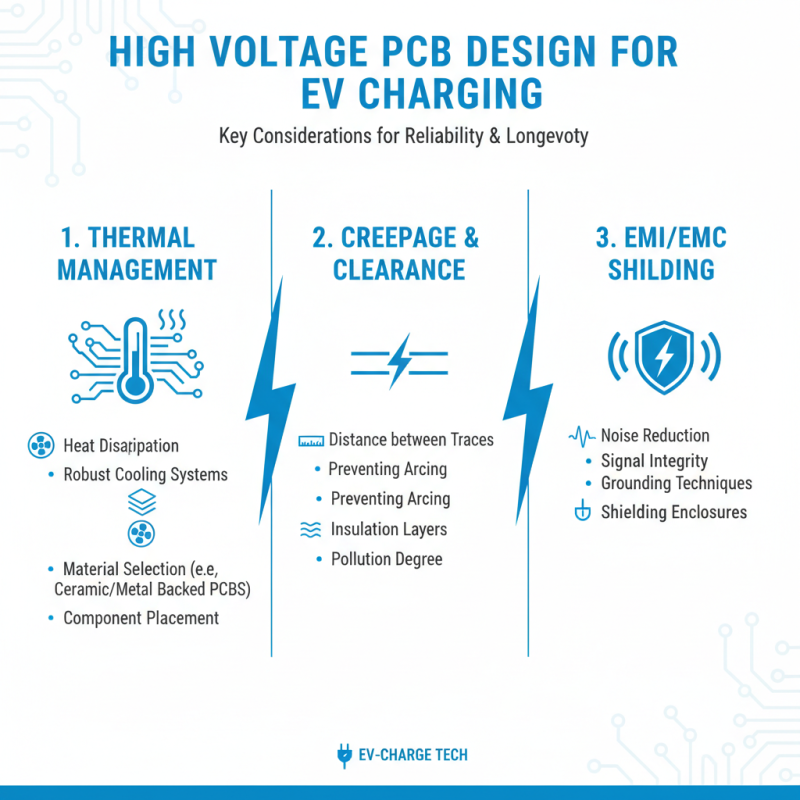
High voltage printed circuit boards (PCBs) are crucial in charging infrastructure. Designing these PCBs necessitates careful consideration of several factors. One primary concern is thermal management. High voltage systems generate significant heat. A robust thermal design mitigates overheating risks, improving reliability and lifespan.
Another consideration involves the selection of materials. Insulating layers must withstand high voltages without breaking down. Materials like FR-4 or specific polymers often serve well, but each has trade-offs. Choose based on the specific application's requirements.
**Tip:** Always test prototypes under realistic conditions. This helps uncover potential issues early.
Additionally, layout design plays a critical role. Proper spacing between components prevents arc discharges. Incorporating trace patterns that minimize electromagnetic interference is vital. Review established design rules, and use simulation tools to predict performance.
**Tip:** Consider the potential for design flaws. A thorough review process can catch oversights before manufacturing begins.
High voltage PCB assemblies are crucial for charging infrastructure. They must meet strict safety standards and regulations to ensure safe usage. Voltage levels in these circuits can be hazardous, necessitating the implementation of safety measures. Compliance with international and national standards like IPC-2221 ensures reliability and performance.
Understanding safety is essential. These assemblies must endure high temperatures and potential electrical faults. Developers must test components rigorously. Failures can lead to serious problems, including equipment damage or fire hazards. Adequate insulation and robust design are vital for protection.
Moreover, ongoing challenges exist in meeting evolving regulations. Manufacturers must stay updated with changes in industry standards. Training and certification for technicians are equally important. Safety audits help identify potential risks and ensure ongoing compliance. Each step is fundamental to maintaining safety in high voltage applications.
High voltage PCB assembly technology is evolving rapidly, especially in the context of charging infrastructure. According to reports from the International Energy Agency, the global electric vehicle market is expected to reach over 30 million units by 2025. This growth drives demand for more robust charging solutions, including high voltage applications.
Wireless Charging Circuit Boards are gaining traction due to their ability to streamline the charging process. They eliminate cable wear and tear while offering convenience for users. However, designing these PCBs poses challenges. Engineers must account for heat management and electromagnetic interference, which are critical in high voltage systems.
Tips: Focus on thermal management early in the design phase. It’s vital to select materials that can withstand high temperatures. Regular testing can identify potential failure points. Using simulation tools can help predict performance and improve reliability. As demand rises, continuous innovation in high voltage PCB assembly will play a crucial role in enhancing charging infrastructure.
This chart represents the projected market growth for high voltage PCB assembly in charging infrastructure from 2019 to 2023. The increasing percentage indicates a trend towards enhanced adoption and technology advancement in this critical industry.
Integrating high voltage PCB into smart charging solutions is becoming essential. The shift towards electric vehicles highlights the need for effective charging infrastructure. High voltage PCB assemblies can improve the performance of charging stations. They ensure efficient energy transfer and reduce power losses.
Smart charging solutions leverage advanced technology. High voltage PCBs are designed to manage increased electrical loads. This is critical as electric vehicle adoption grows. They must handle higher currents safely. Developing these PCBs involves intricate design strategies. Engineers must ensure reliability and durability in their construction.
However, challenges exist. Designing for high voltage requires specialized knowledge. Unexpected failures can lead to significant downtime. Validating the performance of the PCB is crucial. Areas like thermal management must be carefully considered. Engineers should constantly seek improvements. Embracing new materials and techniques can enhance the
Charging Station Pcba's efficiency. The pursuit of excellence in high voltage PCB assembly is ongoing. Each advancement offers a chance to move towards a more sustainable future.
Industrial automation is transforming the landscape of manufacturing, with industrial robots playing a central role in this evolution. The typical manufacturing environment is now characterized by quicker production lines, enhanced accuracy, and increased operational efficiency. Central to the functionality of these industrial robots is the control board, which is powered by high-performance printed circuit board assemblies (PCBAs). These PCBA solutions are critical as they ensure the seamless operation and reliability of robotic systems.
Recent industry reports highlight that the adoption of automation technology can lead to productivity gains of up to 30%, emphasizing the need for high-precision PCB manufacturing. A pivotal aspect of modern PCBA is the use of advanced Surface Mount Technology (SMT) and multilayer PCB capabilities ranging from 1 to 68 layers. This level of customization and complexity is vital for meeting the demanding specifications of today’s robotic applications.
Moreover, innovative technologies such as NanoBond are revolutionizing the stability of control boards. Data shows that such technologies can enhance board stability by 40%, significantly reducing failure rates in high-stakes manufacturing environments. As businesses continue to embrace industrial automation, the demand for reliable, high-quality PCB solutions will only continue to grow, driving innovation and efficiency in manufacturing processes worldwide.
: High voltage PCB assembly is essential for efficient power transfer in electric vehicle charging infrastructure.
Effective thermal management prevents overheating and ensures reliable operation of charging stations.
Specialized materials are vital for insulation and heat dissipation in high voltage applications.
The reduced size of high voltage PCBs allows for better space use, especially in urban environments.
Errors can occur in reading schematics or troubleshooting, leading to inefficiencies and downtime.
Compliance requires knowledge of standards and ongoing training for technicians to mitigate risks.
High Voltage PCB Assembly for Charging Infrastructure plays a crucial role in the development of efficient and reliable electric vehicle charging solutions. This assembly type provides significant advantages, such as improved energy efficiency and reduced loss during power transmission, making it the optimal choice for modern charging stations. A comparative analysis highlights the benefits of high voltage assemblies over low voltage options, emphasizing their capacity to handle increased power demands and support advanced technologies.
Design considerations for high voltage PCBs are critical, ensuring compliance with safety standards and regulations to mitigate risks associated with high voltage operations. As the industry evolves, future trends indicate a shift towards integrating high voltage PCB assemblies into smart charging solutions, enhancing the functionality and intelligence of charging infrastructures. By embracing high voltage technology, stakeholders can pave the way for a more robust and future-ready charging ecosystem.