In today's super-fast electronics world, getting your PCB manufacturing just right can really make or break your project. According to a market report from Technavio, the global PCB market is expected to grow by more than 3% between 2021 and 2025. That kind of growth just highlights how crucial it is to pick the right manufacturing process—especially as projects are becoming more complex and demanding tighter tolerances.
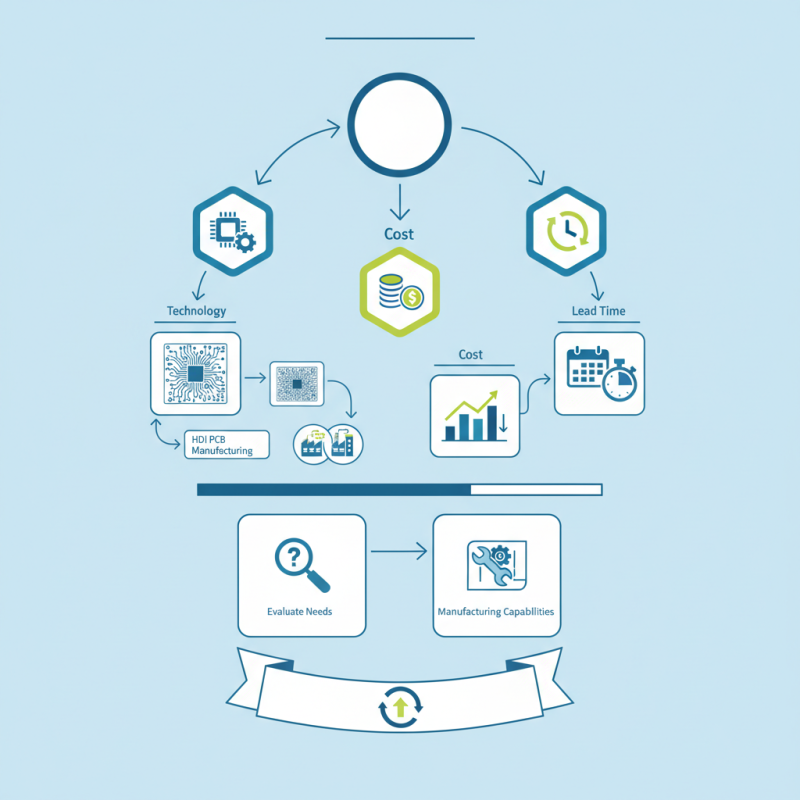
When you're choosing a PCB manufacturing method, things like the technology used, cost, and how long it takes to get everything done are key factors. For example, Hdi Pcb Manufacturing has been getting a lot of attention lately because it’s great for creating smaller footprints and wiring at higher densities. Companies like Multicircuits and JLCPCB have already jumped on these advanced techniques. But hey, not every project needs to be that intricate; sometimes, simpler is better.
It's really important to think carefully about what you actually need before jumping into production. A lot of projects run into trouble because they don't consider manufacturing constraints early on, which can lead to expensive revisions later. The goal isn’t just to meet the specs—it’s also about setting realistic expectations. As the industry keeps evolving, taking a moment to reflect on your manufacturing choices can teach you a lot for your next projects, helping you make better designs and smoother production processes down the line.
Understanding the Basics of PCB Manufacturing Processes
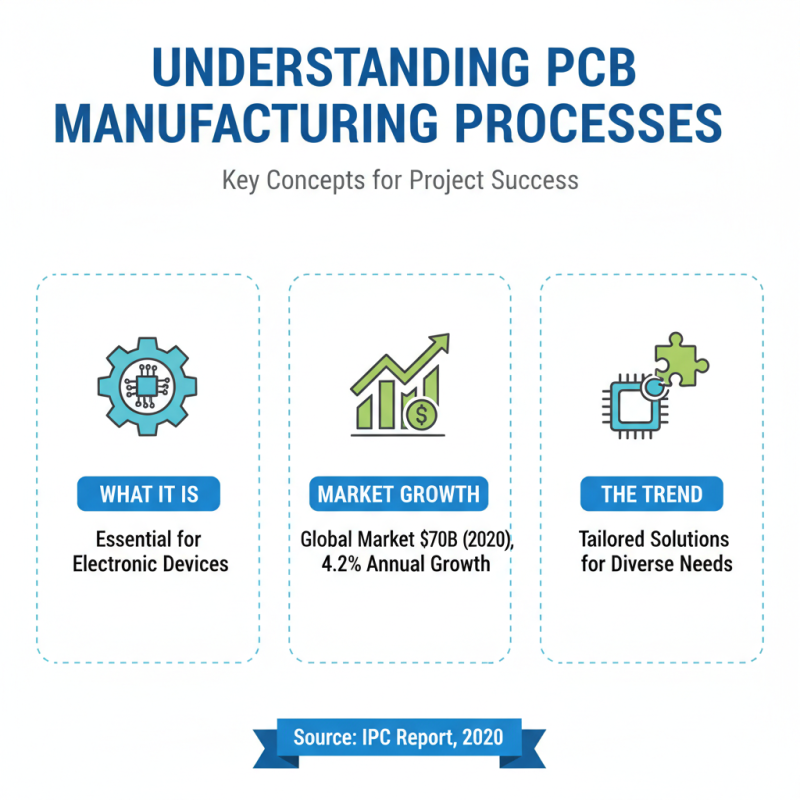
Understanding PCB manufacturing processes is crucial for project success. The landscape of this industry is evolving rapidly. According to a report by IPC, the global PCB market reached $70 billion in 2020, with a projected growth rate of 4.2% annually. This growth emphasizes the importance of tailored solutions for diverse needs.
When selecting a PCB manufacturing process, several factors must be considered. For instance, materials can greatly influence durability. High-frequency PCBs require materials like PTFE, while standard options often utilize FR-4. Each material has its pros and cons. Cost efficiency is another critical aspect; however, pursuing the cheapest option may lead to quality issues.
Furthermore, production volume plays a significant role. Low-volume projects can benefit from prototyping methods like direct imaging, which offers flexibility. On the other hand, high-volume projects might lean towards traditional methods. Each choice can impact timelines and costs, necessitating a balance between quality and efficiency. It's a complex decision that demands careful analysis and consideration of potential downsides.
Identifying Your Project Requirements and Specifications
When starting a project, it is essential to clearly define your requirements. Understanding the specifications of your printed circuit board (PCB) is crucial. Consider factors like size, layers, and functionality. These details influence the manufacturing process you choose. A simple design might require less intricate manufacturing, while complex layouts need advanced techniques.
A common mistake is overlooking material choices. Different materials can impact performance and cost. For instance, using high-frequency substrates might be necessary for certain applications. If your project demands unique characteristics, plan accordingly. In some cases, you might need to reassess your design.
Locations also matter. Selecting a manufacturer in regions like Australia can affect delivery times and costs. Research on local PCB manufacturing options in Australia can yield benefits. Engaging with local experts can provide insights tailored to your project needs. Understanding these requirements will ultimately lead you to make informed decisions for your PCB manufacturing process.
How to Choose the Right PCB Manufacturing Process for Your Project?
| PCB Type |
Layer Count |
Material Used |
Minimum Trace Width |
Manufacturing Process |
Lead Time |
Cost Range |
| Standard FR-4 |
2 Layers |
FR-4 Epoxy |
0.2 mm |
Conventional |
2-3 weeks |
$0.20 - $5.00 |
| High-Frequency |
4 Layers |
PTFE |
0.1 mm |
Advanced |
3-4 weeks |
$5.00 - $20.00 |
| Rigid-Flex |
6 Layers |
Polyimide |
0.075 mm |
Specialized |
4-6 weeks |
$10.00 - $50.00 |
| High-Power |
2 Layers |
Aluminum |
0.25 mm |
Standard |
3-5 weeks |
$3.00 - $15.00 |
Comparing Different PCB Manufacturing Techniques
When selecting a PCB manufacturing technique, it’s essential to weigh different options carefully. Each method offers unique advantages and limitations. For instance, conventional subtractive methods remain prevalent. They allow precise control over the design. However, these techniques can generate significant waste. Reports indicate that approximately 50% of material used is discarded during this process.
On the other hand, additive methods are gaining traction. These techniques, such as 3D printing, minimize waste by building up circuits layer by layer. A study showed that these methods reduce material waste by 70%. They also allow for rapid prototyping. Yet, the technology has limitations in terms of the materials used and finishing quality. High-resolution circuits may still present challenges.
Consider also the specifics of your project. Low-volume runs may benefit from laser cutting or etching. These methods are cost-effective for small batches. But they can fall short for large-scale production, where efficiency is crucial. As you navigate these choices, reflect on your project's unique needs and production goals. Balancing these factors can lead to better outcomes.
Evaluating Production Volume and Cost Efficiency
When evaluating production volume and cost efficiency in PCB manufacturing, several factors come into play. Production volume is a key consideration. If your project runs at low volume, you might favor a process like prototyping. This method allows flexibility but can be pricier per unit. For larger runs, a more automated approach can reduce costs significantly. Exploring options in Pcb Manufacturing Canada often reveals various methods tailored to different needs.
Cost efficiency isn't a straightforward calculation. Material choice plays a vital role, affecting both durability and overall expenses. For instance, switching to lower-cost materials can save money but may impact performance. It's essential to find that balance. Sometimes, you might opt for a more costly fabrication process to ensure quality in the long term. Make sure to analyze whether higher initial costs will lead to fewer issues later.
Another aspect to weigh is lead time. Rushed orders can result in added costs. For projects with tight deadlines, this may be unavoidable. Reflecting on your priorities is essential. How crucial is cost versus speed for your project? Answering this question can guide your PCB manufacturing choices. In the end, what appears to be the best choice at first glance might require deeper evaluation.
Assessing Material Compatibility and Design Complexity
When choosing a PCB manufacturing process, material compatibility is crucial. Different materials affect conductivity, thermal performance, and flexibility. For example, FR-4 is common but may not suit high-frequency applications. Explore alternatives, such as Rogers materials, if you need specific performance. Each choice impacts the overall design.
Design complexity also plays a role. High-density interconnects require advanced fabrication techniques. Simple designs may use basic processes. Consider the number of layers, trace width, and spacing. Each decision influences manufacturing costs and lead times. Complex designs can be exciting, but they often introduce challenges.
Tips: Always check if your materials fit your project’s requirements. Simplicity may reduce costs and time. Do not rush decisions; reflect on every aspect. Review past projects to avoid repeating mistakes.
Considering Lead Times and Production Flexibility
When selecting the right PCB manufacturing process, lead times and production flexibility are crucial. Recent industry reports indicate that over 70% of companies prioritize these factors. No two projects are identical. Therefore, understanding specific requirements can enhance project outcomes.
Lead times can vary significantly across different processes. For instance, typical turnarounds for standard PCB production in Europe are around 15-20 days. However, advanced manufacturing techniques might require shorter lead times but could compromise flexibility. Balancing speed with adaptability may result in better resource allocation.
Tip: Assess your project timeline and choose a manufacturing process that allows for adjustments. Being rigid can stifle innovation. Additionally, maintaining communication with manufacturers helps to mitigate delays.
Production flexibility is another key aspect. Some manufacturers can handle low-volume runs just as efficiently as high-volume orders. This can significantly impact cost-efficiency. A rigid manufacturing line may not address changing needs effectively, leading to potential project setbacks.
Tip: Always factor in potential changes to your design. Adaptable processes can save time and added expenses down the road. Ultimately, the interplay of lead times and flexibility is vital in PCB manufacturing in Europe. Striking the right balance can enhance project efficiency and success.
PCB Manufacturing Processes Comparison
This chart illustrates the lead times and production flexibility of various PCB manufacturing processes commonly used in electronics projects. The bar chart compares four different manufacturing processes: Standard, Fast-Track, Prototype, and Volume Production.
Selecting the Right Manufacturer for Your PCB Needs
Selecting a manufacturer for your PCB projects can be overwhelming. Many options exist, and each offers unique strengths. Consider your specific needs carefully. The right manufacturer will understand your project requirements and timelines. They should provide clear communication throughout the process. This is crucial for avoiding misunderstandings.
When looking for PCB manufacturing in Germany, quality and reliability matter greatly. Research potential manufacturers thoroughly. Examine their production capabilities and material availability. Visit their facilities if possible. This allows you to get a firsthand view of their operations. Don't hesitate to request samples. Seeing the quality of previous work can greatly inform your decision.
Pricing is another factor to consider, but it's not everything. Sometimes, a lower price comes with compromises in service or quality. Balance cost with reliability and customer support. It’s essential to reflect on your priorities. Do you value speed over cost? Or is quality the top priority? Discuss these points openly with potential manufacturers.
Innovative Solutions for Advanced Electronics: Exploring Military-Grade PCB Manufacturing and High-Frequency PCBA Production
In the realm of advanced electronics, the demand for military-grade PCB manufacturing and high-frequency PCBA production is witnessing significant growth, particularly within critical applications such as defense and aerospace. With military expenditures projected to rise, it is essential for manufacturers to provide solutions that can withstand extreme conditions while ensuring high performance. Reports indicate that the global military PCB market is expected to reach approximately $2.6 billion by 2025, highlighting the industry's reliance on innovative technologies.
Advanced materials play a crucial role in the design and functionality of high-frequency PCBs. Utilizing cutting-edge substrates such as Rogers, Taconic, and Arlon enables engineers to achieve low signal loss and superior thermal management, essential for mission-critical applications. These materials not only enhance the electrical properties of the boards but also ensure robust performance in harsh environments. Designing multi-layer PCBs with precise impedance control further supports the integrity of high-speed signals, which is vital in applications like radar and satellite communication.
Moreover, the precision assembly of these components is critical for maintaining the reliability and durability required for military applications. By adhering to rigorous industry standards and utilizing advanced fabrication techniques, manufacturers can deliver PCBs that meet the stringent demands of military specifications. As the need for reliable, high-performance electronic solutions continues to grow, the integration of advanced manufacturing technologies will be paramount in delivering innovative and effective products to the defense sector.
FAQS
: Factors include materials, cost efficiency, production volume, and design complexity. Each affects the final product.
Materials impact durability and functionality. For example, PTFE is suited for high-frequency applications, while FR-4 is a common choice.
Clear requirements help determine size, layers, and functionality. This influences the manufacturing method to ensure project success.
Many overlook how materials affect performance and costs. Choosing the wrong material may necessitate redesigns.
Conventional methods allow precise control but create waste. Additive methods reduce waste but may have material limitations.
They minimize waste and enable rapid prototyping. However, they may struggle with high-resolution circuit quality.
Traditional methods suit high-volume projects where efficiency is critical. Low-volume projects may not achieve the same advantages.
Manufacturing in specific regions can impact delivery times and costs. Local options can provide tailored insights.
Many rush into decisions without comprehensive analysis. Rethinking design considerations can improve outcomes.
Evaluate the unique needs of your project and the trade-offs. Balancing quality, efficiency, and cost is essential.
Conclusion
Choosing the right PCB manufacturing process is crucial for the success of any project. It begins with understanding the basics of PCB manufacturing processes, which lays the foundation for making informed decisions. Next, it's important to clearly identify project requirements and specifications, as these factors will influence the selection of appropriate techniques. A comparison of different manufacturing methods, along with an evaluation of production volume and cost efficiency, helps determine the most suitable approach.
Additionally, assessing material compatibility and design complexity is essential to ensure that the final product meets performance standards. Considering lead times and production flexibility further aids in aligning manufacturing capabilities with project timelines. Ultimately, selecting the right manufacturer for your PCB needs is a critical step in the process, ensuring that quality and specifications are met, while also adhering to budget and scheduling constraints. By thoroughly analyzing these aspects, you can make a well-informed decision in your PCB manufacturing journey.