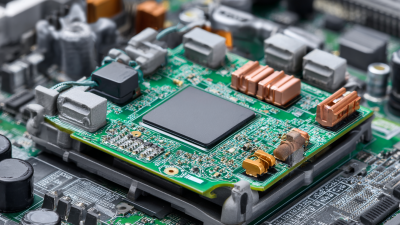
In today’s fast-changing tech world, it’s more important than ever to manage energy efficiently. The Battery Management System PCB, or BMS PCB for short, is a key player when it comes to getting the most out of battery systems used in all sorts of applications. As industries push towards more sustainability and efficiency, these BMS PCBs have really become crucial—they help keep batteries functioning well, last longer, and stay safe.
Having a good BMS PCB offers a bunch of benefits that make battery-powered gadgets more reliable and easier to use. Whether it’s electric cars or renewable energy storage setups, you can’t ignore the importance of a solidly designed BMS PCB. It’s not just about protecting the batteries from potential issues, but it also makes sure that the cells communicate smoothly with each other. Essentially, each cell stays within safe limits. As we increasingly depend on batteries in our daily lives, understanding the key advantages of BMS PCBs is pretty essential—whether you're a manufacturer or just someone interested in energy tech, it’s good to know how this tech keeps everything running smoothly.
Significance of Battery Management Systems in Modern Energy Storage Solutions
Battery Management Systems (BMS) play a crucial role in modern energy storage solutions, particularly as the demand for efficient and reliable power systems grows. According to a recent report by the International Energy Agency (IEA), global battery storage capacity is projected to reach 200 GWh by 2025, driven by the rising adoption of renewable energy sources and electric vehicles. A sophisticated BMS PCB optimizes the performance and longevity of battery packs by ensuring safe operation, enhancing charging efficiency, and mitigating risks associated with overcharging or deep discharging.
The significance of BMS extends beyond just battery performance; it directly influences the overall safety and reliability of energy storage systems. A study by McKinsey & Company highlights that effective BMS implementations can reduce battery failure rates by up to 30%. Additionally, the integration of advanced analytics within BMS can facilitate predictive maintenance, allowing operators to anticipate failures before they occur, thereby significantly increasing the lifespan of battery systems.
As industries continue to innovate and seek sustainable energy solutions, the BMS PCB's role will become increasingly vital in managing complex energy infrastructures and ensuring that energy storage systems meet the rigorous demands of modern applications.
Key Components of BMS PCB: Design and Functionality Overview
A Battery Management System (BMS) PCB is critical in ensuring the optimal performance and longevity of modern energy storage solutions. The core components of a BMS PCB typically include voltage and current sensors, microcontrollers, and balancing circuits. These components work together to monitor the state of charge, control the charging process, and manage cell balancing, thereby enhancing battery safety and efficiency. According to a recent report by MarketsandMarkets, the global battery management system market is expected to reach $17.7 billion by 2025, underscoring the growing importance of these systems in applications like electric vehicles and renewable energy storage.
When designing a BMS PCB, it is vital to consider its functionality and reliability under various operating conditions. High-frequency switch-mode regulators and efficient thermal management designs are essential for maintaining performance in diverse environments. Furthermore, incorporating enhanced communication interfaces, such as CAN or I2C, allows for real-time data transfer, enabling smarter energy management. As highlighted in a study published by ResearchAndMarkets, the surge in electric mobility is propelling advancements in BMS technology, with the integration of IoT features for remote monitoring and diagnostics becoming increasingly prevalent.
**Tips:** Ensure that sensors are properly calibrated to maintain accuracy in voltage and current readings. Regular firmware updates can enhance functionality and security within the BMS PCB. Additionally, consider investing in training for design teams to stay updated on the latest industry standards and practices.
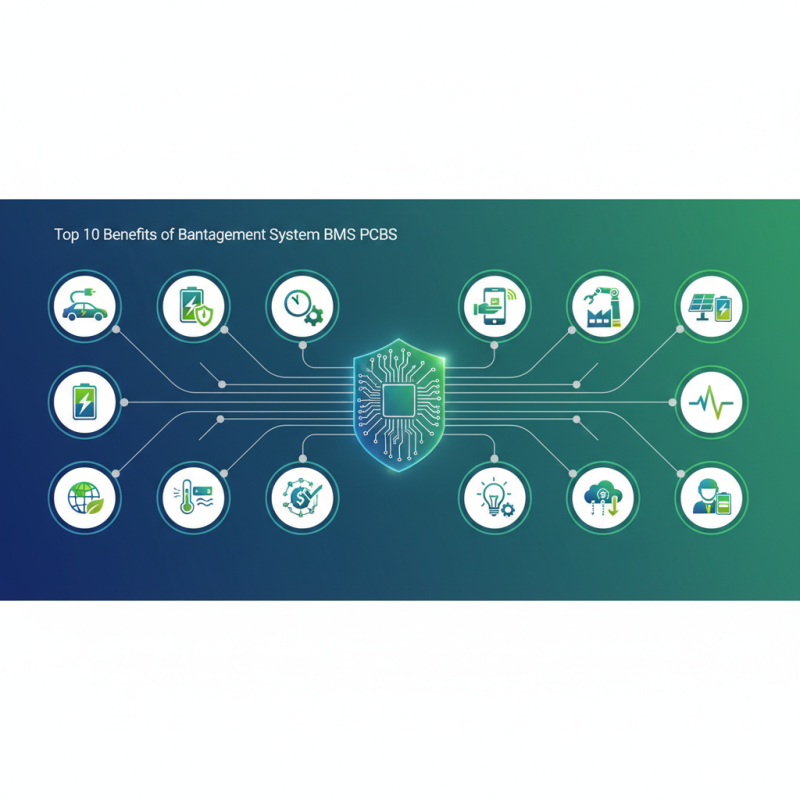
Top 10 Benefits of Battery Management System PCB BMS PCB in Modern Applications - Key Components of BMS PCB: Design and Functionality Overview
| Benefit |
Description |
Key Components |
| Increased Battery Life |
Optimizes charging cycles to extend overall battery lifespan. |
Cell Balancing Circuits |
| Enhanced Safety |
Monitors battery health and prevents overheating. |
Temperature Sensors |
| Improved Efficiency |
Reduces energy wastage during charging and discharging. |
Power Management ICs |
| Data Monitoring |
Provides real-time data on voltage, current, and temperature. |
Battery Monitoring System |
| Short Circuits Protection |
Detects and prevents short circuits to protect battery and devices. |
Fuses and Circuit Breakers |
| Cold Cranking Performance |
Maintains performance in low temperatures. |
Thermal Management Systems |
| Cost Savings |
Longer battery life and reduced replacements save costs. |
Charge Controllers |
| Scalability |
Supports different battery configurations and sizes. |
Modular BMS Design |
| User Experience |
Improves usability with feedback on battery status. |
User Interface Components |
| Intelligent Control |
Automated management of battery operations optimizes performance. |
Microcontrollers |
Impact of BMS PCB on Battery Life Cycle and Efficiency
The Battery Management System (BMS) PCB is a pivotal component in modern battery technology, significantly impacting both battery life cycle and efficiency. A well-designed BMS PCB optimizes the performance of battery packs by monitoring individual cell voltages, temperatures, and state of charge. According to a report by the International Energy Agency, well-implemented BMS technology can enhance battery efficiency by up to 20%, which translates to longer operational time and reduced costs in applications ranging from electric vehicles to renewable energy storage systems.
Moreover, the BMS plays a critical role in extending the battery life cycle. It mitigates risks such as overcharging and deep discharging, which can lead to capacity degradation. A study published in the Journal of Power Sources indicates that an effective BMS can increase a lithium-ion battery's lifespan from approximately 2 years to up to 10 years under optimal conditions. This longevity not only benefits consumers through reduced replacement costs but also contributes positively to environmental sustainability by minimizing battery waste.
Tips: To maximize the advantages of a BMS PCB, ensure regular updates and calibrations are performed as technology advances. Additionally, integrating thermal management systems within the BMS can significantly enhance both reliability and efficiency. Consider adopting advanced algorithms to forecast battery behavior for preemptive maintenance and smarter energy management.
Top 10 Benefits of Battery Management System PCB (BMS PCB)
The chart above illustrates the impact levels of various benefits provided by Battery Management System PCB (BMS PCB) in modern applications. As seen, features like real-time monitoring and increased battery life are crucial in enhancing overall battery performance and longevity.
Real-time Monitoring and Diagnostics Capabilities of BMS PCBs
Battery Management Systems (BMS) are increasingly essential in modern applications, particularly due to their real-time monitoring and diagnostics capabilities. BMS PCBs continuously gather data on key performance indicators, such as voltage, current, temperature, and state of charge, ensuring optimal battery performance. The integration of these monitoring features allows for immediate identification of potential issues that could compromise battery safety and longevity, prompting timely interventions.
Furthermore, the diagnostic capabilities of BMS PCBs extend beyond mere monitoring. They include advanced algorithms that analyze historical and real-time data to predict battery behavior under various conditions. This predictive analysis is crucial for enhancing the efficiency of battery usage, enabling users to optimize charging cycles and extend battery life. By providing actionable insights, BMS PCBs help prevent overcharging, deep discharging, and thermal runaway situations, ultimately ensuring that systems function safely and effectively. As a result, their role in managing battery health is vital for the sustainability and reliability of modern electronic applications.
Advanced Safety Features Embedded in BMS PCB Technology
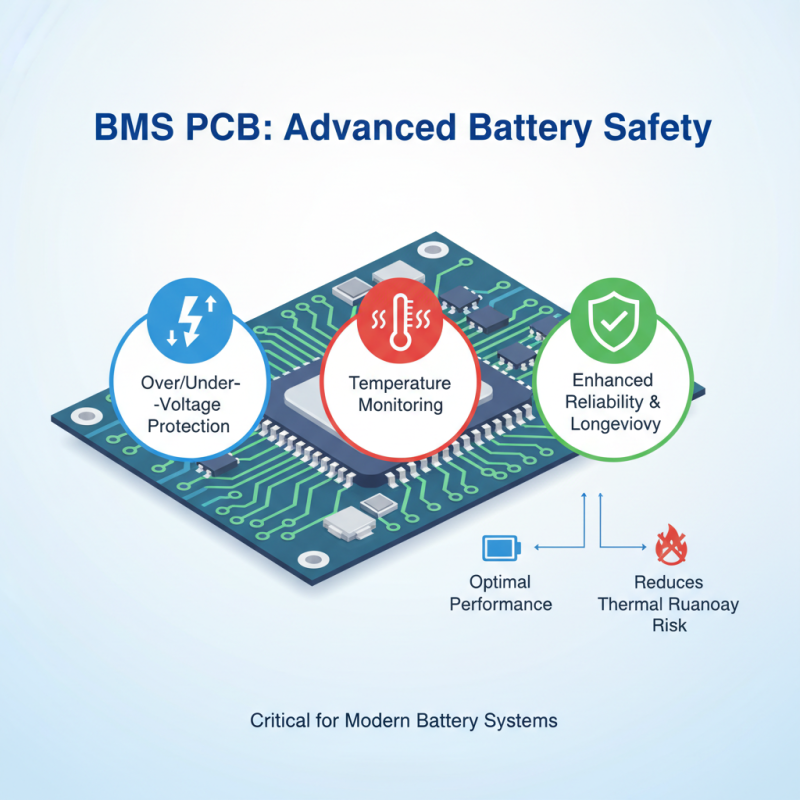
The embedded advanced safety features in Battery Management System (BMS) PCB technology are critical in enhancing the reliability and longevity of modern battery systems. These features include over-voltage and under-voltage protection, which help maintain optimal battery performance by preventing damage due to extreme voltage levels. Additionally, temperature monitoring sensors integrated within the BMS PCB can actively manage the thermal conditions of the battery pack, ensuring it operates within safe limits to reduce the risk of thermal runaway and potential hazards.
Furthermore, BMS PCBs often include sophisticated algorithms that facilitate real-time monitoring of battery health and performance. By utilizing cell balancing techniques, these systems ensure that individual cells within a battery pack are charged and discharged uniformly, which significantly extends the overall lifespan of the battery. Moreover, fault detection mechanisms embedded in the PCB technology efficiently identify any irregularities or potential failures, enabling preventative measures to be taken before serious issues arise, thereby enhancing user safety and operational efficiency in various applications.
Market Trends and Growth Projections for BMS PCB in Various Industries
The Battery Management System (BMS) PCB market has been witnessing significant growth across various industries, driven by the increasing demand for renewable energy solutions and electric vehicles. The rise in electric mobility has particularly catalyzed innovation in BMS technology, enabling efficient management of battery performance and longevity. As more sectors recognize the importance of energy storage systems, the BMS PCB market is projected to expand rapidly. This growth is underscored by the ongoing push for sustainability and the need for efficient energy consumption in sectors such as automotive, consumer electronics, and renewable energy installations.
Moreover, advancements in battery technology and the integration of intelligent management systems are shaping market trends. Industries are increasingly adopting smart battery solutions that integrate IoT capabilities, allowing for real-time monitoring and improved management of energy usage. As companies strive for competitive advantages and better performance metrics, the emphasis on advanced BMS designs is likely to continue. This shift not only enhances operational efficiency but also aligns with global sustainability goals, making it a vital component of modern applications in a variety of sectors.
Case Studies: Successful Implementations of BMS PCBs in Electric Vehicles
In recent years, the implementation of Battery Management System (BMS) PCBs in electric vehicles (EVs) has garnered significant attention due to their pivotal role in enhancing battery performance and safety. According to a report by the International Energy Agency (IEA), the global EV market is anticipated to reach over 30 million units by 2030, underscoring the urgency for robust battery management solutions. BMS PCBs are essential for monitoring and controlling battery cells, ensuring optimal charging and discharging rates, which directly contributes to the longevity of batteries. Case studies show that manufacturers who implement advanced BMS designs experience up to a 20% increase in battery efficiency, facilitating longer ranges for EVs and enhancing user satisfaction.
Notably, case studies such as those from leading EV manufacturers reveal that integrating smart BMS PCB technology has resulted in not only improved safety measures—like overheating prevention and fault detection—but also significant cost savings on battery replacements. As detailed in a recent market analysis, vehicles equipped with sophisticated BMS PCBs have achieved a 15% reduction in overall operational costs due to lower failure rates and optimized resource use. These advancements are critical as the automotive industry accelerates towards sustainable energy solutions, illustrating the transformative impact of innovative BMS PCB technologies in real-world applications.
FAQS
: The primary function of a BMS PCB is to ensure optimal performance and longevity of energy storage solutions by monitoring the state of charge, controlling the charging process, and managing cell balancing.
Key components of a BMS PCB typically include voltage and current sensors, microcontrollers, and balancing circuits.
BMS PCBs enhance battery safety and efficiency by continuously monitoring key performance indicators and employing algorithms to predict battery behavior, thereby preventing issues like overcharging and thermal runaway.
Real-time monitoring in BMS PCBs is enabled by advanced algorithms that gather and analyze data on voltage, current, temperature, and state of charge, allowing for immediate identification of potential issues.
Cell balancing is important because it ensures that individual cells within a battery pack are charged and discharged uniformly, which significantly extends the overall lifespan of the battery.
Advanced safety features include over-voltage and under-voltage protection, temperature monitoring sensors, and fault detection mechanisms that help prevent serious issues and enhance user safety.
Regular firmware updates can enhance the functionality and security of BMS PCBs, ensuring they operate efficiently and stay compatible with the latest industry standards.
Enhanced communication interfaces, such as CAN or I2C, facilitate real-time data transfer, enabling smarter energy management and better integration of IoT features for remote monitoring.
BMS technology supports electric mobility advancements by integrating features that allow for better energy management and diagnostics, essential for optimizing battery use in electric vehicles.
BMS PCBs help mitigate risks such as overcharging, deep discharging, and thermal runaway, all of which can compromise battery safety and longevity.
Conclusion
The article "Top 10 Benefits of Battery Management System PCB (BMS PCB) in Modern Applications" emphasizes the crucial role of BMS PCB in enhancing energy storage solutions. It highlights key components and functionalities essential for effective battery management, thereby improving battery life cycle and overall efficiency. By enabling real-time monitoring and diagnostics, BMS PCB ensures optimal performance and safety for energy systems.
Moreover, the article explores the advanced safety features embedded in BMS PCB technology that protect against potential failures. It also discusses significant market trends and growth projections, showcasing the increasing adoption of BMS PCBs across various industries, particularly in electric vehicles. Case studies illustrating successful implementations further underline the transformative impact of BMS PCB on modern energy management practices.