Leave Your Message
0%

In the fast-changing world of electric vehicles (EVs), getting a good grasp on 'Inverter PCB Assembly for EVs' is pretty important. It’s what connects all the different parts together and makes sure energy flows smoothly. Dr. Emily Zhang from GreenTech Innovations puts it nicely: "The way the Inverter PCB Assembly is done really affects how well the whole vehicle performs."

Basically, this assembly involves integrating advanced tech, like the Inverter Integrated Circuit, which manages how electrical energy moves around. But it’s not just about making connections — it’s about building something reliable. Every tiny detail counts because even small mistakes can cause performance problems or, worse, safety issues.

That said, perfecting this process isn’t exactly a walk in the park. Finding top-quality materials can be tricky, and sometimes manufacturers miss how critical those details really are. Paying close attention during Inverter PCB Assembly can mean the difference between a smooth ride and unexpected breakdowns. The future of EV tech really depends on getting this right. In a world obsessed with innovation, we need to admit our limits and keep pushing to do better.
What is OEM ODM Inverter PCB Assembly for EVs and How Does It Work?

Definition of OEM and ODM in Inverter PCB Assembly

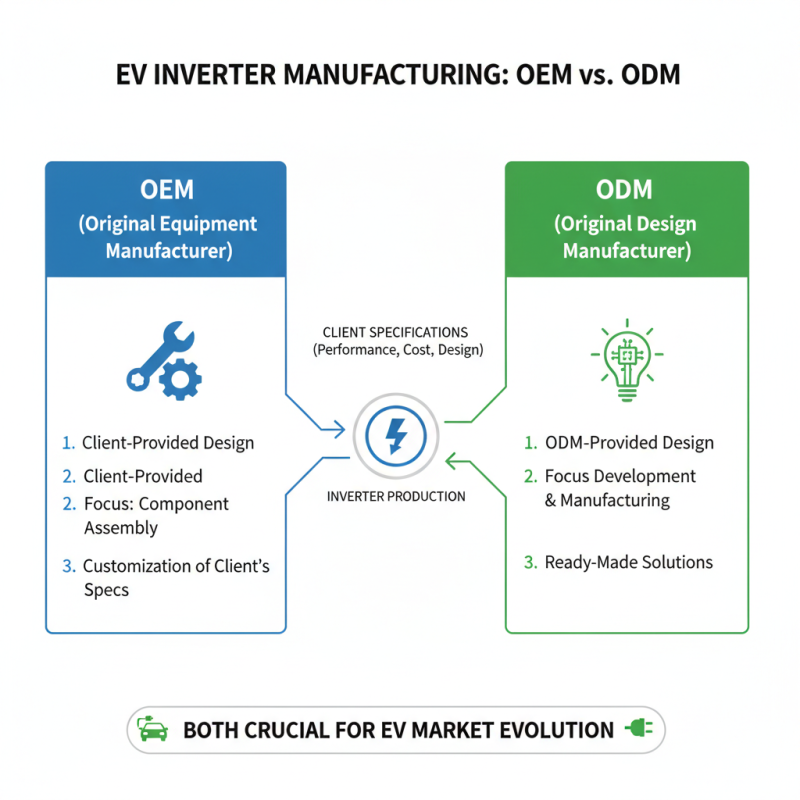
Inverter PCB assembly plays a crucial role in electric vehicles (EVs). It offers two main approaches: OEM and ODM. OEM stands for Original Equipment Manufacturer, while ODM refers to Original Design Manufacturer. Both methods involve the production of printed circuit boards but differ in their focus and delivery.

OEM typically works with existing designs, producing boards to specific customer requirements. Data from industry reports indicate that OEMs account for a significant portion of the PCB market due to their scalable production capabilities. In contrast, ODM takes a more holistic approach. It designs and manufactures products tailored to meet the unique needs of each client. This flexibility allows ODMs to innovate faster, crucial in the rapidly evolving EV sector.

Tips: When choosing between OEM and ODM for inverter PCB assembly, consider cost and time. Quick Turn Pcb Assembly can significantly reduce timelines. Collaborating closely with manufacturers can lead to improved designs and functionality. Reflect on your needs. This choice impacts future scalability and product evolution.

Trends in OEM and ODM Inverter PCB Assembly for EVs

This bar chart illustrates the trends in units assembled for OEM and ODM Inverter PCB Assembly in electric vehicles (EVs) over six quarters. The data shows a general growth trend with fluctuations, highlighting the increasing demand for inverter PCB assemblies as the EV market expands.

Role of Inverter PCB Assembly in Electric Vehicles

Inverter PCB assembly plays a crucial role in the performance of electric vehicles (EVs). This assembly converts direct current (DC) from the battery into alternating current (AC) to power an electric motor. According to a recent industry report, the global inverter market is projected to reach USD 5 billion by 2025, highlighting the increasing demand for innovative inverter technologies.

The efficiency of inverter PCB assembly directly affects vehicle range and overall energy consumption. Many modern EVs rely on advanced inverter designs to optimize power output. Yet, these technologies are not infallible. Reports suggest that about 20% of premature failures in EVs can be traced back to PCB issues. This unveils a pressing need for continuous improvement in assembly standards and testing procedures.

Additionally, the complexity of inverter systems results in challenges in manufacturing processes. High-volume production often leads to compromises in quality control. A study by a leading automotive research firm indicated that 15% of inverter defects arise during assembly. Addressing these flaws can significantly enhance the reliability and efficiency of EVs, fostering greater acceptance in the growing market.

What is OEM ODM Inverter PCB Assembly for EVs and How Does It Work? - Role of Inverter PCB Assembly in Electric Vehicles

Aspect Description Importance for EVs
OEM Original Equipment Manufacturer - refines and produces the design and specifications of electric vehicle components. Ensures quality and integration with other vehicle systems.
ODM Original Design Manufacturer - designs and manufactures products that are then rebranded by another firm. Provides innovation and diverse offerings in inverter technology.
Inverter Function Converts DC from the battery to AC for electric motor operation. Crucial for electric propulsion and energy efficiency of EVs.
PCB Assembly Process of soldering electronic components onto a printed circuit board (PCB). Ensures reliable electrical connections and functionality in EV inverters.
Role in Efficiency Involves optimizing the inverter design for better energy conversion rates. Improves overall performance and range of electric vehicles.

Components of Inverter PCB Assembly for EVs

What is OEM ODM Inverter PCB Assembly for EVs and How Does It Work?

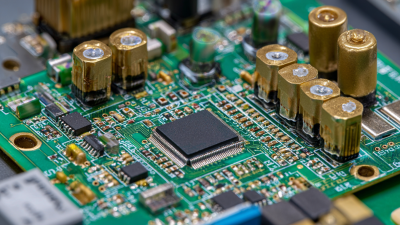
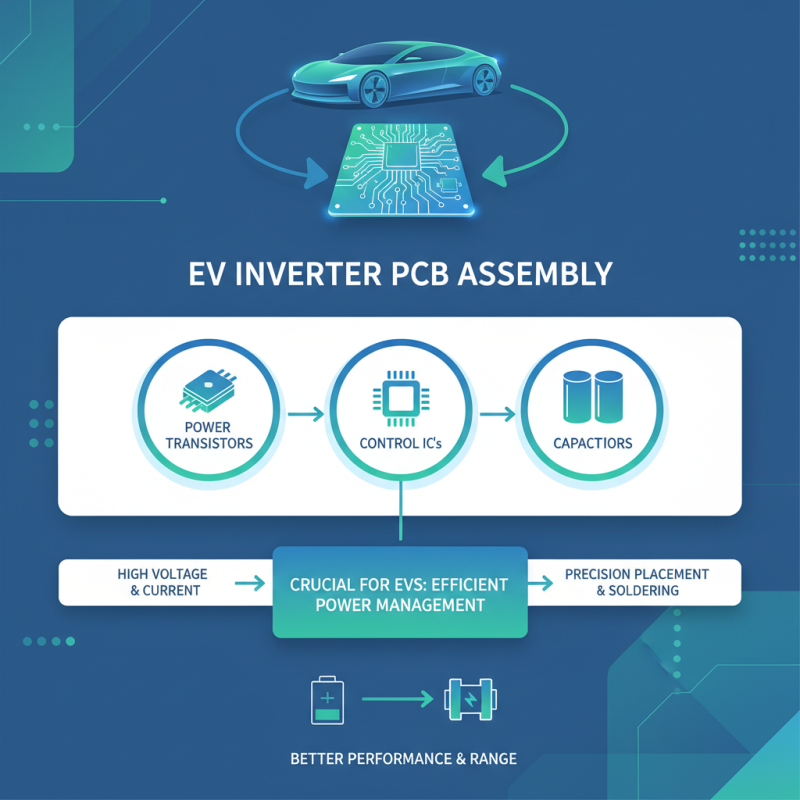
Inverter PCB assembly is crucial for electric vehicles (EVs). It involves various components that work together to manage power flow. Key elements include power transistors, control ICs, and capacitors. These parts must withstand high voltages and currents. They also need precision in placement and soldering.

The base of the PCB holds all components together. Stencils for PCB assembly are used to apply solder paste accurately. This ensures effective connections without excess solder. Heat sinks are another important element. They help dissipate heat generated by the transistors. Robust thermal management is essential for performance and reliability.

Some challenges arise during the assembly process. Misalignment can occur if stencils are not used properly. This leads to defective solder joints. Quality control is vital to avoid failures. Regular testing of components ensures they meet specifications. Adjustments may be needed based on test results. Improving processes can enhance overall efficiency in production.

The Process of OEM and ODM in Inverter Manufacturing

What is OEM ODM Inverter PCB Assembly for EVs and How Does It Work?

OEM (Original Equipment Manufacturer) and ODM (Original Design Manufacturer) play vital roles in inverter manufacturing for electric vehicles (EVs). The process begins with client specifications. These specifications might include performance, cost, and design requirements. OEMs typically focus on assembling components designed by the client. ODMs, on the other hand, develop and manufacture products based on their designs. Both approaches have their unique advantages in the rapidly evolving EV market.

The production process involves several stages. First, design inputs are gathered from clients. Engineers then develop prototypes, which undergo rigorous testing. Manufacturers must ensure that the inverters meet industry standards for safety and efficiency. Supply chain management is crucial here. Material quality impacts overall performance. Sometimes, manufacturers may face challenges caused by delays or shortages. Open communication between the client and manufacturer helps address these issues.

After prototyping, the next phase is mass production. Here, precision is key. Automated assembly lines are often used to reduce human error. Quality control checks are essential to identify defects. Even with advanced processes, occasional mistakes can happen. Learning from these errors is vital for future improvements. The collaboration between OEM and ODM partners encourages innovation. The industry must adapt quickly to meet the increasing demand for electric vehicles.

Quality Control Measures in Inverter PCB Assembly

Quality control in inverter PCB assembly for electric vehicles (EVs) is crucial. It ensures that the components meet high safety and performance standards. Several measures are taken to achieve this. First, visual inspections are performed. Inspectors check for solder quality and alignment of components. Any mismatch can lead to failures later in the process.

Functional testing is another key measure. After assembly, each inverter undergoes tests to ensure it operates correctly. This step helps spot issues that might not be visible during visual checks. However, creating a foolproof testing procedure can be challenging. Sometimes, components might pass visual checks but fail functional tests. This inconsistency highlights the need for constant monitoring and improvement.

Additionally, environmental testing simulates real-world conditions. This helps verify how well the inverter performs under stress. However, this type of testing can be resource-intensive. Balancing thorough testing with production efficiency is an ongoing challenge. Simple mistakes in assembly can lead to costly issues down the line. Thus, continuous feedback loops in quality control are essential for future improvements.

Benefits of Using OEM and ODM for EV Inverter Supply Chains

The rise of electric vehicles (EVs) creates new demands for efficient supply chains. One solution is the use of OEM and ODM services in inverter PCB assembly. These partnerships streamline production and reduce costs. By outsourcing, manufacturers focus on core competencies. This allows for quicker innovation cycles and quality improvements.

Implementing OEM and ODM strategies can enhance flexibility. Suppliers adjust to changing market demands. They offer customization options which cater to specific needs. However, this isn’t without risks. Communication gaps may arise, leading to misunderstandings. Quality consistency can suffer if not managed well. Finding reliable partners is crucial for success.

The benefits of Main Pcb Assembly for EVs are significant. It provides a platform for integrating advanced technologies efficiently. With a focus on performance, cost-effectiveness, and speed, companies can scale their operations. Still, reflecting on the dynamics of these partnerships is necessary. Each project should be evaluated thoroughly. Balancing innovation with quality control is essential for sustainable growth in the EV market.

Future Trends in Inverter PCB Technology for EV Applications

The future of inverter PCB technology for electric vehicles (EVs) is rapidly evolving. Recent industry reports show that the demand for inverter PCB assemblies is projected to rise significantly. In 2022, the EV market grew by 58% to reach over 10 million units. With this growth comes a pressing need for advanced manufacturing techniques. Surface Mount Pcb Assembly is becoming a popular choice, enhancing efficiency and reducing production costs.

The integration of smart technology into inverter PCBs is a critical trend. Manufacturers now focus on improving thermal management and energy efficiency. Enhanced heat dissipation can lead to longer battery life and improved vehicle performance. However, challenges remain. Not all manufacturers are equipped to implement these advanced techniques effectively. This inconsistency can lead to subpar products in the market.

Additionally, industry data highlights a growing shift towards miniaturization. Smaller, more compact designs are preferred for modern EVs. Such designs can complicate connectivity and assembly processes. Future challenges will include balancing size with performance. These developments underscore the need for ongoing innovation in inverter PCB technology for EV applications.

FAQS

: What is the main purpose of the article?

: The article informs readers about a specific topic. It aims to deliver useful insights.

Who is the target audience?

The article is meant for individuals interested in learning more about the subject.

Are there any specific recommendations provided?

Yes, the article suggests practical tips for better understanding and application.

How can the information be applied in real life?

Readers can implement the tips in their daily routines for improvement.

What challenges might readers face?

Some may find it hard to adapt the advice. It requires patience and practice.

Is there a need for further research on this topic?

Yes, deeper exploration could reveal additional insights and solutions.

Can the article's content change over time?

Yes, as new information emerges, updates may be necessary for accuracy.

What should readers be cautious about?

Overconfidence in the advice could lead to mistakes. Always stay open to learning.

Are there common misconceptions mentioned?

Yes, the article highlights misunderstandings that may hinder progress.

What is a key takeaway from the article?

Continuous learning and reflection are essential for personal growth and understanding.

Conclusion

The article "What is OEM ODM Inverter PCB Assembly for EVs and How Does It Work?" delves into the significance of Inverter PCB Assembly for EVs, defining the roles of Original Equipment Manufacturer (OEM) and Original Design Manufacturer (ODM) in the production process. It highlights how these manufacturing approaches enhance the efficiency and reliability of electric vehicle systems by ensuring high-quality components are integrated into the assembly. The article also outlines the essential components involved in Inverter PCB Assembly and the structured process for OEM and ODM manufacturing, emphasizing stringent quality control measures.

Moreover, it discusses the benefits of utilizing OEM and ODM strategies to optimize supply chains for EV inverters, underscoring the evolving trends in inverter technology that will shape future electric vehicle applications. This comprehensive overview positions Inverter PCB Assembly for EVs as a crucial element in the advancement of sustainable transportation solutions.
Clara

Clara

Clara is a dedicated marketing professional at Shenzhen Ruizhi Xinfeng Electronics Co., Ltd., where she leverages her extensive knowledge of the company's products to drive marketing initiatives. With a focus on excellence, she regularly updates the company’s professional blog, sharing insights......
Previous Future Trends in High Frequency Pcb Technology for Global Buyers