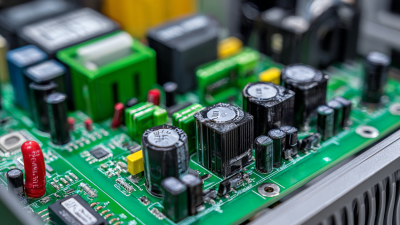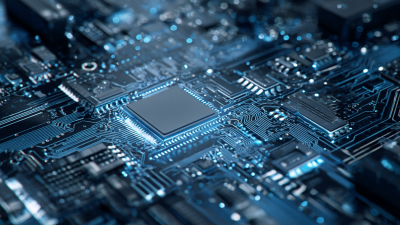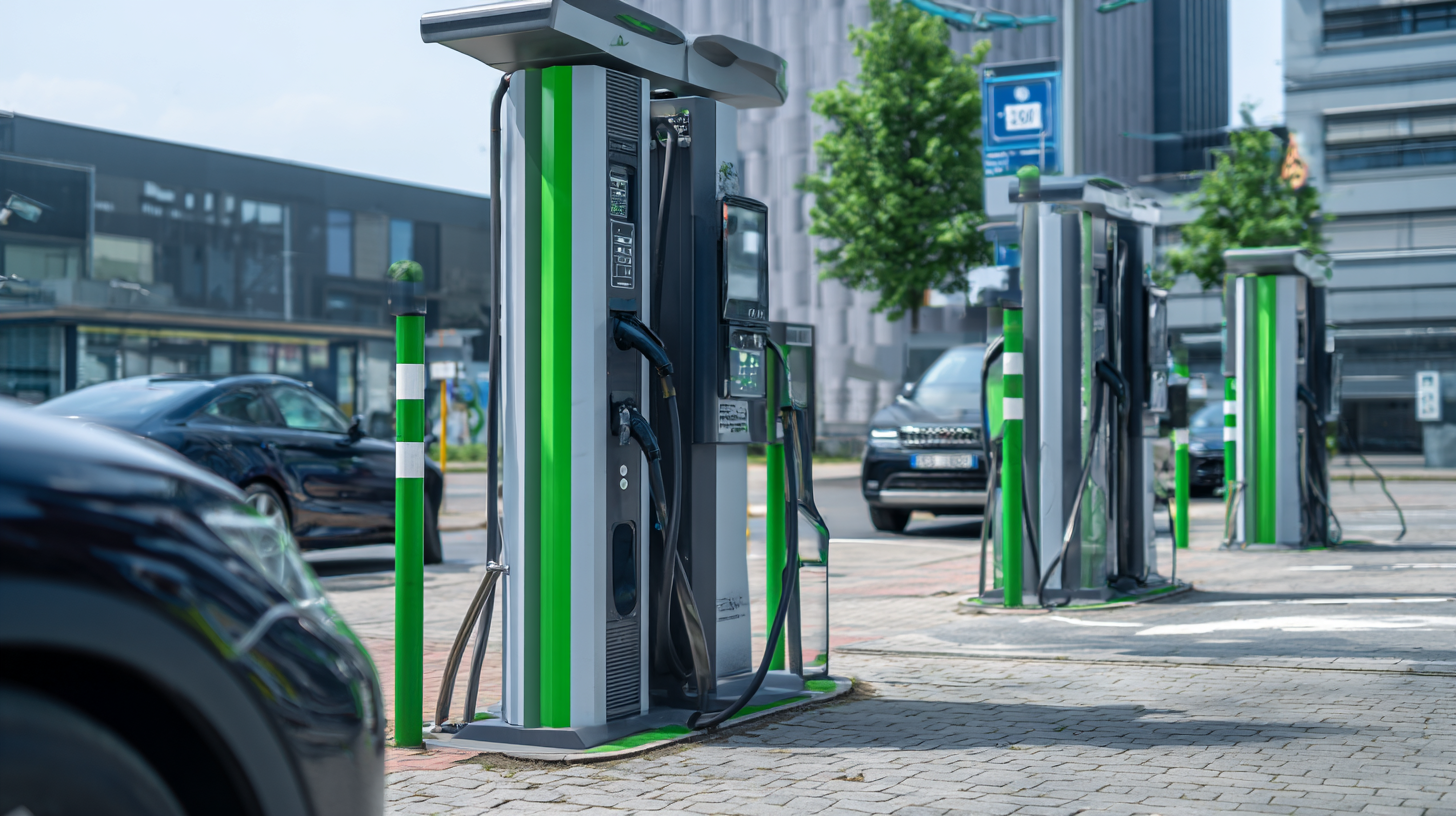
The world of electric vehicle infrastructure is changing faster than ever, right? And one key player in all this is advanced tech—especially PCBs for DC Fast Chargers. As we look ahead to the future of energy, Shenzhen Rich Full Joy Electronics Co., Ltd. really stands out as a leader in innovation. We’re a high-tech enterprise that's all about blending focus and expertise to build better, more efficient charging systems — stuff that’s in high demand as more folks jump on the EV bandwagon. By leveraging some pretty cool PCB tech, we’re not just boosting how well these fast chargers work; we’re helping push China’s goals for cleaner energy and more EV adoption.
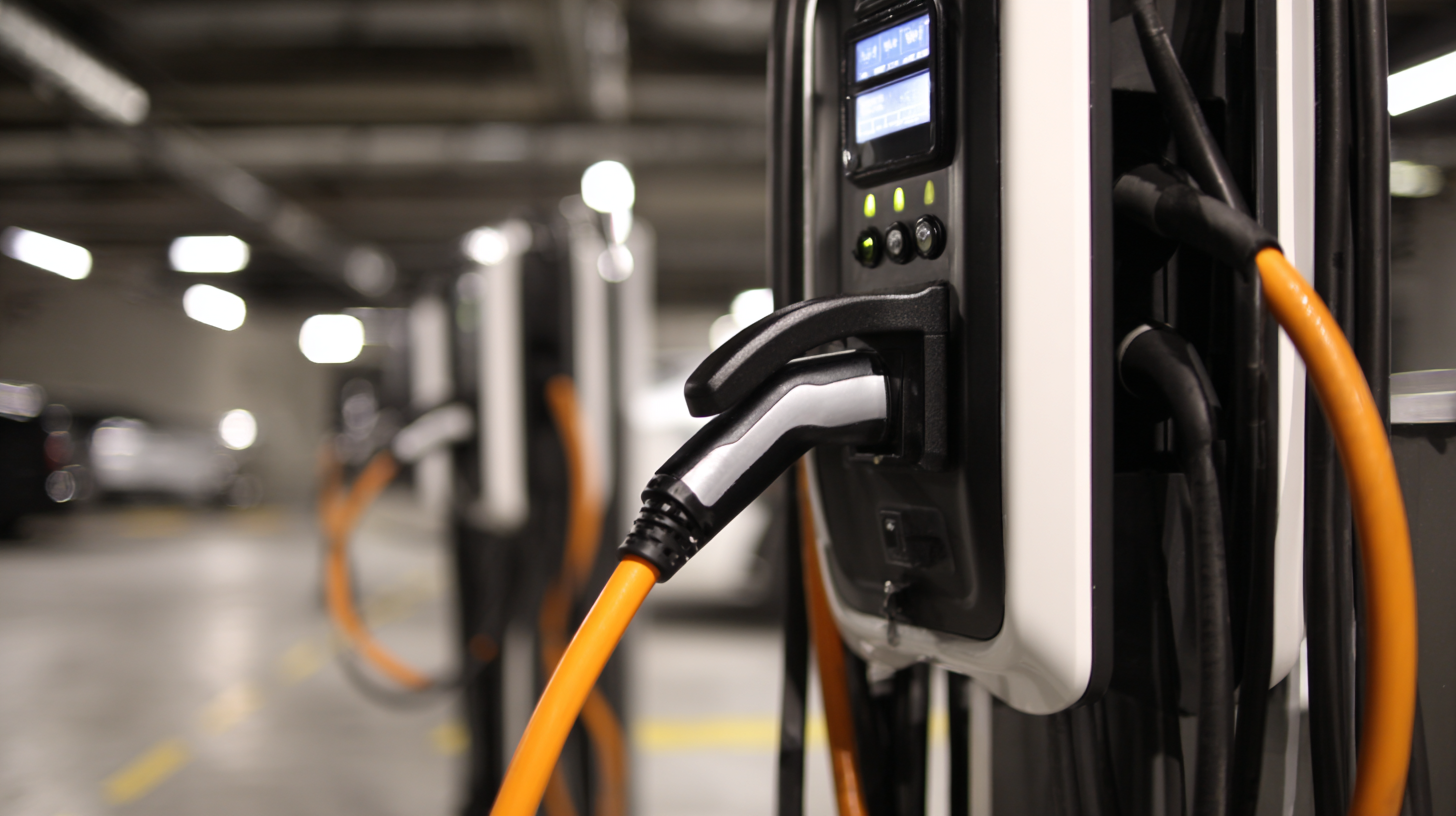
In this article, I’ll share how our latest PCB designs are unlocking new possibilities for quick charging solutions—and how all this supports a greener, more sustainable world modern times are calling for.
You know, Printed Circuit Boards—or PCBs—are pretty much the backbone of today’s quick-charging DC stations. They’re what keep everything running smoothly and efficiently. As more folks start hopping into electric vehicles, the need for speedy chargers is really ramping up. I read somewhere—BloombergNEF mentioned it—that by 2030, we might see around 31 million EVs on the road, which obviously means we need better charging tech. Those PCBs are key in making sure power flows just right, managing heat, and keeping signals clear. All these little things add up to charging times that are quick enough to suit our busy lives, right?
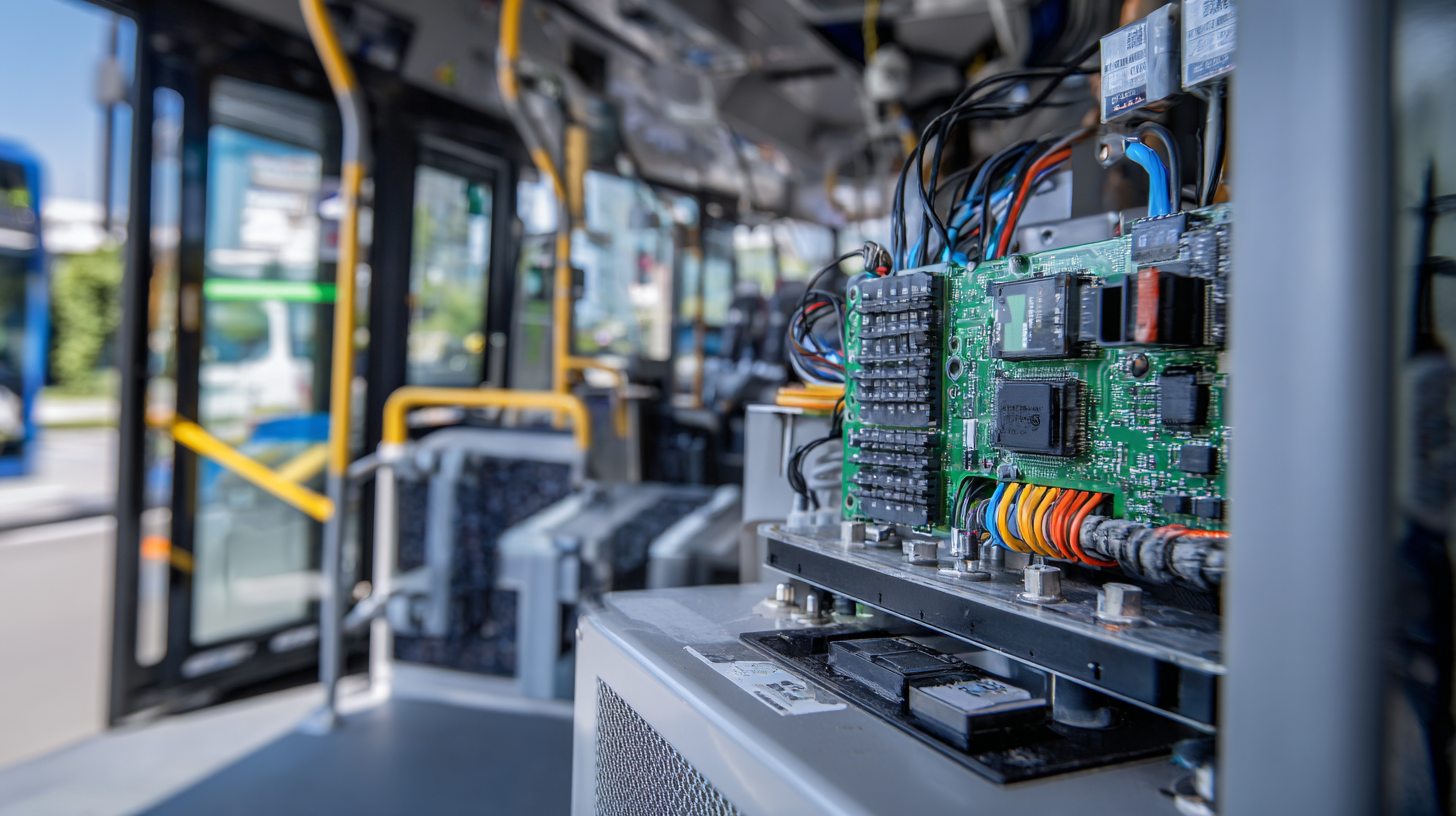
When you’re designing PCBs for these fast chargers, it’s good to keep a few things in mind to really boost performance. For example, using multilayer PCBs can help cut down on electromagnetic noise—that’s a fancy way of saying it can make the whole system more reliable and efficient. And going for high-quality materials isn’t just a snob move; it actually helps the boards handle heat better, especially when they’re working overtime.
Pro tip: When you’re sketching out your PCB design, try to keep it compact. Smaller layouts save space and help cut down on energy losses. Of course, you gotta find that sweet spot between making the design detailed enough to perform well and keeping it simple enough to build without blowing the budget. As this tech keeps evolving, staying in the loop with the latest standards is a smart move — it’ll help you design better chargers and stay ahead of the game.
You know, with how electric vehicles (EVs) are really taking off these days, there's been a whole lot of progress needed in how we charge them — especially with those super-fast DC chargers. At the core of all this tech is the printed circuit board, or PCB, which is pretty much crucial for making charging as efficient as possible. I recently came across a report from the International Energy Agency that predicts there’ll be over 300 million EVs on the road by 2030. Crazy, right? That just tells us we’ve gotta get faster, more reliable charging solutions in place.
PCB tech is a game-changer here; it helps handle those really high currents without wasting energy or overheating. Good PCB design means better heat dissipation and solid electrical connections—everything we need to keep things running smoothly even when charging at full speed. The IEEE mentioned that with new semiconductor materials and improvements in how we make PCBs, we could actually slash charging times by up to 30%. That’s huge! Not only would that mean less waiting around for EV owners, but it also makes electric cars more practical and appealing, helping us move toward a greener, more sustainable future.
Hey, have you noticed how much PCB technology has been evolving lately? It's pretty much changing the game for EV charging, especially with those super-fast DC chargers coming into the picture. These days, manufacturers are using cool new materials like high thermal conductivity composites and advanced laminates. Not only do they help make the PCBs more efficient, but they also boost their reliability — which is a big deal, considering how demanding fast charging can be. I read somewhere that, according to Research and Markets, the global market for these DC fast chargers is expected to grow at an incredible annual rate of around 32% between 2021 and 2028. That just shows how much folks want quicker, more reliable charging options.
Plus, with materials like thermally conductive ceramics and epoxy resins being integrated into the mix, companies can really improve heat dissipation — a must when you're dealing with the high power that fast chargers deliver. In fact, a piece from PCB Design Magazine mentioned that using these innovative materials can cut down thermal resistance by up to 30%, which not only extends the lifespan of the PCB but also keeps the whole charging system running smoothly for longer.
So, if you’re into designing or selecting PCB materials for these fast chargers, it’s smart to pay attention to how well they manage heat and their electrical insulation properties. And hey, staying in the loop with the latest in PCB technology isn’t just useful — it can actually give manufacturers a real edge in this super competitive and fast-changing market. Just make sure to read up on industry news and trends — it makes all the difference!
You know, when it comes to electric vehicles, especially with how quickly fast-charging tech is moving, the importance of thermal management in printed circuit boards (PCBs) just keeps getting bigger. As more folks jump on the EV bandwagon, the way these boards are built is really changing. Making sure they handle heat well isn’t just about performance—it's also about making them more reliable and longer-lasting. I mean, with EVs becoming so popular lately, there's a real rush to come up with innovative PCB designs that can chuck out heat efficiently without messing up the power flow. It’s kind of a big deal.
And here’s the thing— Shenzhen Rich Full Joy Electronics is totally leading the charge in this space. They’re a high-tech company with a real knack for innovation, especially when it comes to thermal solutions on PCBs. They’re focused on designing and integrating these advanced cooling techs to keep up with the fast-growing EV charging infrastructure. Their work isn’t just about meeting current demand—it’s about helping roll out the next-gen DC fast chargers quicker and better. Plus, all this effort is expected to push the whole automotive PCB market to new heights in the coming years. Exciting times, right?
You know, the rapid advances in electric vehicle (EV) tech are really tied to what's happening with printed circuit boards (PCBs). These tiny chips are actually becoming a pretty big deal when it comes to supporting fast-charging stations for EVs. As more people want quick, reliable charging options, PCB designs are evolving to keep up — things like high-density interconnect (HDI) boards and better thermal management are making a huge difference. They’re helping chargers get faster and more efficient, which is a big step toward more folks switching to electric rides.
Looking ahead, I think we're gonna see smart features start playing a bigger role in PCB design. Imagine PCBs with built-in IoT capabilities — they could monitor everything in real time and give us useful data for better energy use and user experience. Plus, there's a push toward greener solutions, so eco-friendly PCB materials are becoming more popular, cutting down on environmental impact. All these trends are really connecting the dots between PCB tech and EV infrastructure, and honestly, they’re going to shape how transportation looks in the future.
| Dimension | Data |
|---|---|
| Max Charging Power | 350 kW |
| Charging Time (80% Charge) | 15-30 minutes |
| PCB Layer Count | 6-8 layers |
| Connector Types | CCS, CHAdeMO |
| Operating Temperature | -30°C to 50°C |
| Materials Used | FR-4, Aluminum |
| Annual Growth Rate of EV Chargers | 30% |
| Future Projection for Fast Chargers | 1 million by 2030 |
: PCB technology is essential for managing power distribution, thermal performance, and signal integrity in DC fast chargers, enabling efficient and rapid charging.
The growing popularity of electric vehicles (EVs), with projections expecting the global EV market to reach 31 million units by 2030, drives the need for advanced charging infrastructure.
Effective PCB design improves charging efficiency by facilitating high current flow, minimizing energy losses, ensuring better heat dissipation, and enhancing electrical connectivity.
Innovations such as high-density interconnect (HDI) boards and improved thermal management solutions are crucial for enhancing charging performance and energy efficiency.
Utilizing multilayer PCBs can significantly reduce electromagnetic interference, thereby improving the reliability and efficiency of DC fast chargers.
Selecting high-quality materials enhances thermal conductivity in PCBs, ensuring they operate reliably under heavy usage.
A compact PCB layout optimizes space and reduces losses, balancing design complexity with manufacturability for cost efficiency and high performance.
Future PCB designs are expected to incorporate IoT capabilities for real-time monitoring and data analytics, facilitating intelligent energy management and enhanced user interfaces.
The push for sustainable practices is leading to the development of eco-friendly PCB materials, which aim to reduce the environmental impact of EV charging systems.
Innovations in semiconductor materials and PCB fabrication processes can potentially reduce charging times by up to 30%, benefiting users by decreasing downtime.
So, I was reading this really interesting article called "Unlocking the Future: How PCB Technology is Powering DC Fast Chargers." It dives into how crucial PCBs are for making fast chargers more efficient and reliable when it comes to charging electric vehicles. The article starts off by explaining what PCB tech is all about and how it's integrated into fast chargers—kind of showing how smart design tweaks can actually make a big difference in saving energy and speeding up charging times.
They also talk about how new materials are boosting PCB performance even further. Plus, they emphasize the importance of managing heat—because keeping these systems cool is key to making sure they run smoothly without overheating. Looking ahead, the article explores upcoming trends in PCBs for EV infrastructure. It kinda highlights the efforts of companies like Shenzhen Rich Full Joy Electronics Co., Ltd., showing how they're pushing innovation forward in this field. Overall, it paints a picture of a future where sustainable, efficient charging solutions are becoming more and more a reality—and those big advancements are thanks to stuff like this tech.