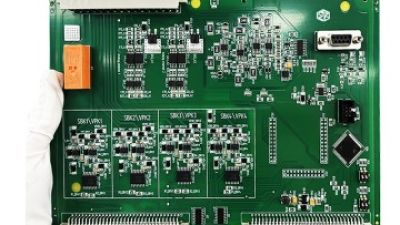
As the electric vehicle (EV) market keeps booming, it's more important than ever to really understand what’s happening behind the scenes—especially when it comes to their performance. One of those key pieces of the puzzle is the Inverter PCB Assembly for EVs. Experts keep stressing how vital it is to optimize this part. John Smith, who’s a top engineer over at GreenTech Innovations, puts it pretty simply: “The efficiency of Inverter PCB Assembly for EVs has a direct impact on how well the whole vehicle performs.”
People are definitely looking for high-quality inverter assemblies these days. Manufacturers need to focus on making these components both small and seamlessly integrated—since space and weight are huge deal-breakers in EV design. Those Inverter Integrated Circuits really come into play here, helping to achieve that boost in efficiency. Companies that put effort into top-notch assembly processes are probably gonna stay a step ahead.
That said, the industry still faces its fair share of hurdles. Things like sourcing reliable materials and keeping quality under control are ongoing challenges. As the market continues to evolve, it’s clear that continuous improvement is key. So, buyers really should be looking for experienced suppliers who prioritize quality and innovation. Getting a good grip on these factors is pretty much essential for making smarter, more informed decisions in this space.
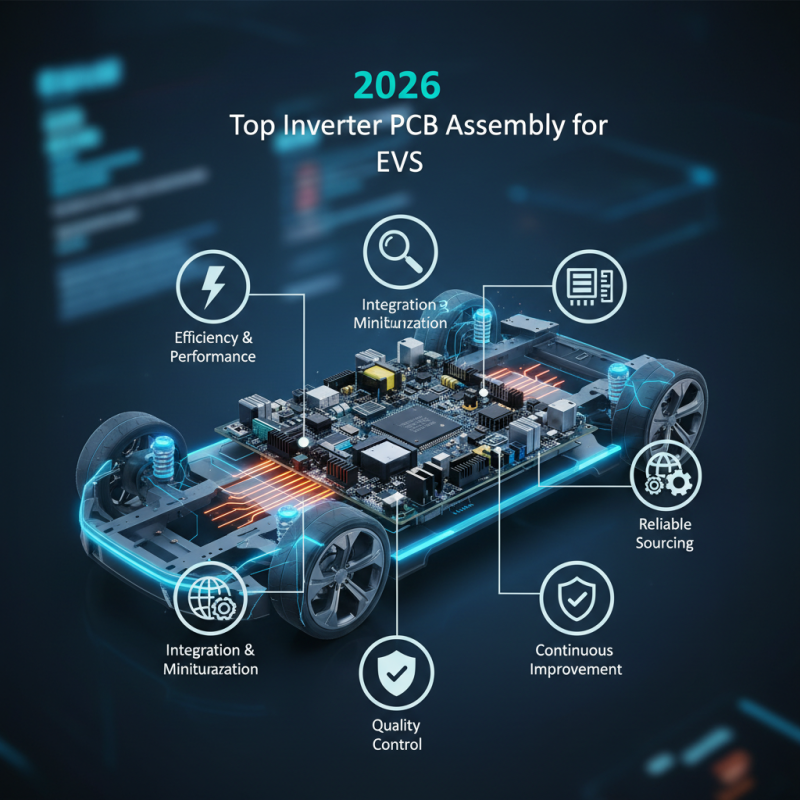
Understanding Inverter PCB Assembly in Electric Vehicles
Inverter PCB assembly is a crucial aspect of electric vehicles (EVs). This technology converts direct current (DC) from batteries to alternating current (AC) for the motor. The efficiency and reliability of this assembly directly impact vehicle performance. Buyers must understand the technical specifications and materials used in the assembly process.
High-quality components enhance durability. For example, proper thermal management is essential to prevent overheating. Manufacturers often use materials with high thermal conductivity. However, many overlook the significance of designing for manufacturability. Poor design can lead to issues in production, resulting in quality control problems.
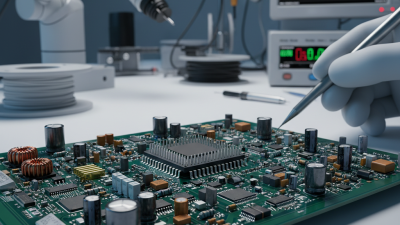
Another factor is the assembly procedure itself. Automated assembly offers precision but may introduce costly errors without proper oversight. Manual assembly can ensure better quality but is time-consuming. Finding the right balance between the two approaches can be challenging. Buyers should seek partners who emphasize quality while remaining flexible in production methods. This careful consideration is essential for long-term success in the EV market.
2026 Top Inverter PCB Assembly for EVs: Key Components Overview
Key Components of Inverter PCB for EV Applications
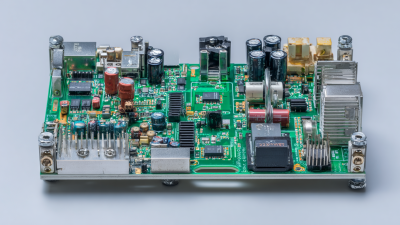
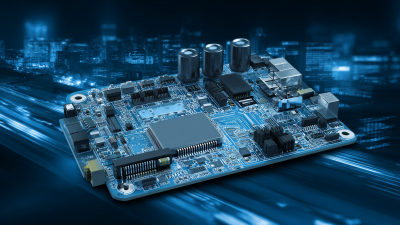
When considering inverter PCB assemblies for electric vehicles (EVs), understanding key components is essential. A robust inverter PCB typically includes power transistors, capacitors, and drivers. Each component plays a critical role in managing voltage conversion and enhancing efficiency. Power transistors, for instance, are vital for switching operations. They significantly impact energy loss during conversion.
Capacitors are essential for filtering and energy storage. They help smooth out voltage fluctuations and boost overall performance. Meanwhile, drivers enable efficient control of the power transistors, ensuring precise operation. Successful integration of these components can drastically improve performance. However, achieving optimal thermal management and reliability remains a challenge.
Designing a PCB for inverters requires attention to detail. Thermal management strategies must be implemented to prevent overheating. Additionally, component selection should consider not only performance but also long-term reliability. Balancing cost with quality can be difficult. Many manufacturers face issues with supply chain disruptions for critical components. This aspect can affect production timelines and availability.
Benefits of High-Quality PCB Assembly for EV Inverters
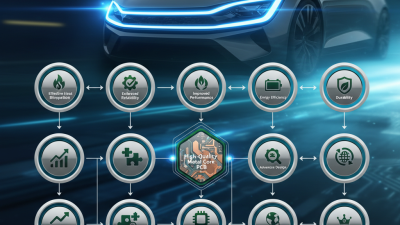
High-quality PCB assembly is essential for electric vehicle (EV) inverters. It directly impacts the performance and reliability of the entire system. With the rise in EV popularity, buyers must understand the benefits of investing in superior assembly processes. Quality assembly ensures that circuits function efficiently, reducing the risk of failure in demanding environments.
The intricate design of inverter PCBs requires precision and expertise. Quick Turn Pcb Assembly services can significantly accelerate the production timeline. This is crucial for manufacturers aiming to stay competitive in the fast-evolving EV market. However, faster isn't always better. Rushed processes may compromise quality. Buyers should carefully evaluate the capabilities of their PCB assembly partners.
When scrutinizing assembly quality, consider the materials used and the level of testing performed. High-quality components lead to better performance and durability. A reliable assembly process involves thorough checks to identify any flaws early. Investing time in research will pay off in the long run, enhancing the overall efficiency of the EV. High standards in manufacturing are not just preferred; they are necessary for safety and performance.
Factors to Consider When Choosing Inverter PCB Manufacturers
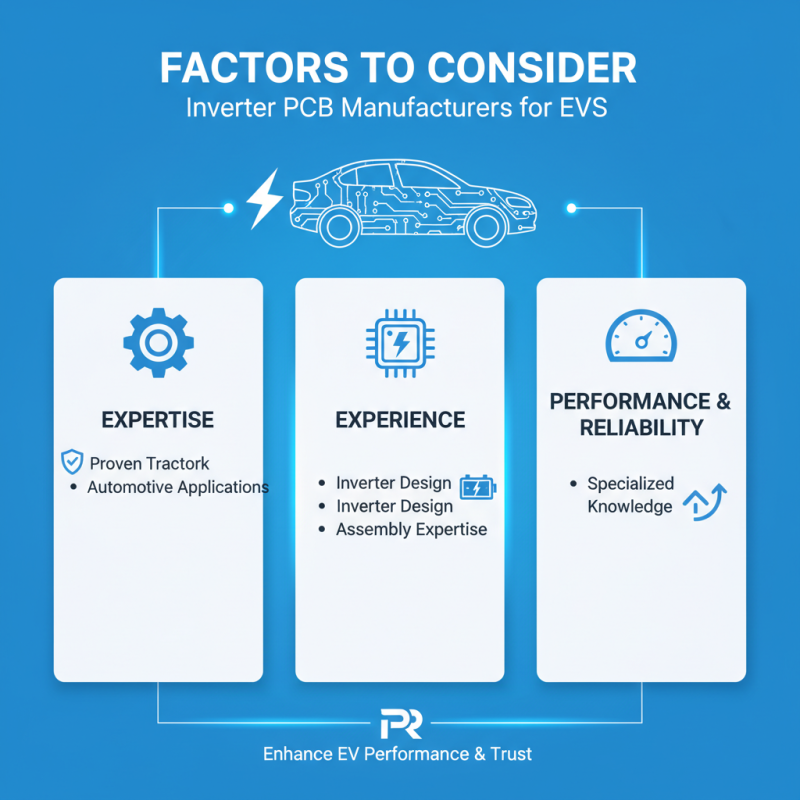
When selecting inverter PCB manufacturers for electric vehicles, it's crucial to assess their expertise. Look for companies with a proven track record in automotive applications. Evaluate their experience in designing and assembling PCBs for inverters specifically. This specialized knowledge can significantly influence performance and reliability.
Understanding manufacturing capabilities is equally important. Consider the types of Stencil For Pcb Assembly they utilize. High-quality stencils can improve soldering processes and overall component placement. Investigate their equipment and quality assurance measures. Are they using advanced technology? A reliable manufacturer should embrace innovation while adhering to industry standards.
Cost factors often weigh heavily in decision-making. However, choosing solely on price can lead to poor outcomes. Balance affordability with the manufacturer's reputation. A lower price doesn’t always guarantee the best materials or support. Buyers must reflect on long-term partnerships and their importance in the design cycle. Evaluating these aspects can lead to more informed and effective decisions.
Latest Technologies and Innovations in Inverter PCB Design
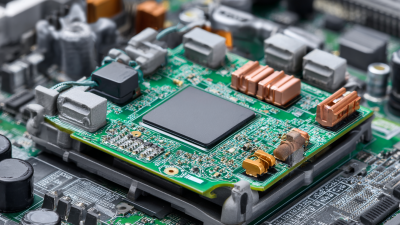
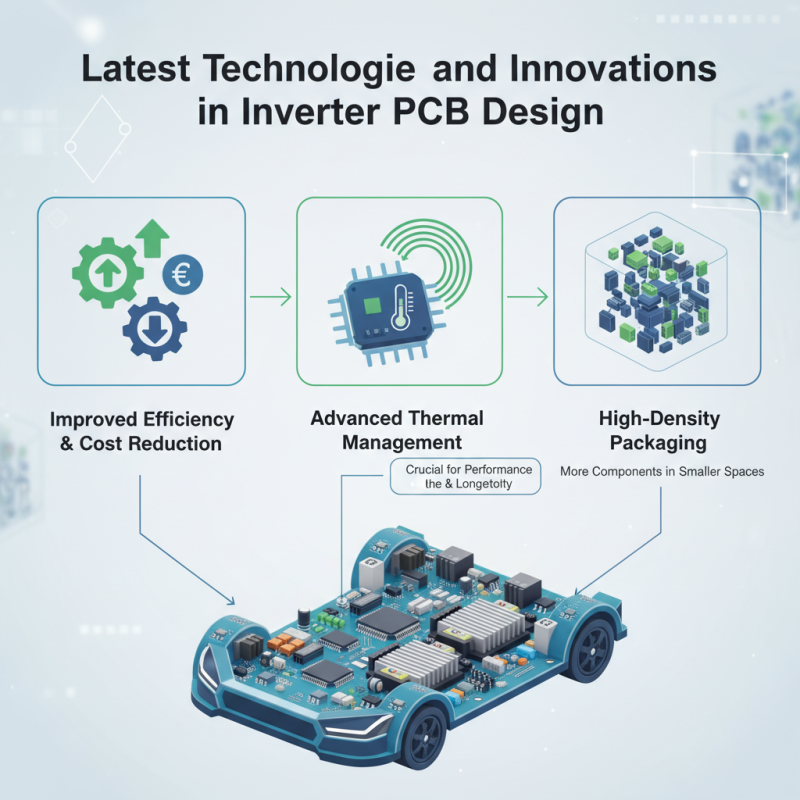
The landscape of inverter PCB design for electric vehicles (EVs) is rapidly evolving. A major focus is on improving efficiency and reducing costs. Advanced thermal management technologies have emerged, allowing inverters to manage heat better. This is crucial for performance and longevity. High-density packaging is also gaining traction, meaning more components can fit in smaller spaces.
Innovations like embedded passive components streamline the design. This reduces board space and can improve manufacturing efficiency. However, this complexity can pose challenges in production. Not all manufacturers have the capabilities to implement these advancements effectively. Buyers must assess whether their chosen supplier can handle such sophisticated designs.
The use of new materials, like high-temperature polymers, is becoming commonplace. These materials enhance performance under stress. Still, they can raise questions about reliability. Ensuring long-term durability in varying conditions is essential. Buyers should prioritize suppliers who emphasize comprehensive testing protocols to ensure stability and reduced failures. The balance between innovation and reliability remains a key point of reflection.
Common Challenges in Inverter PCB Assembly for EVs
Inverter PCB assembly for electric vehicles (EVs) presents unique challenges. Designers often struggle with thermal management. Overheating can lead to failures. Ensuring proper heat dissipation is crucial. Using materials with high thermal conductivity helps mitigate this risk. However, the cost of these materials is often higher, complicating budget decisions.
Another challenge is maintaining quality control during the assembly process. PCB assemblies must meet strict standards to function safely in EVs. Inaccurate soldering can cause performance issues. Some manufacturers rely on automated inspections. Still, human oversight remains necessary for quality assurance. Balancing automation with skilled labor proves difficult.
Lastly, the complexity of circuitry in Main Pcb Assembly increases the risk of errors. More components mean more potential points of failure. Designers must ensure robust testing protocols are in place. This helps identify weak points early in the process. Proactive problem solving is essential for creating reliable inverter PCBs for EVs.
Future Trends in Inverter PCB Assembly for Electric Vehicles
The market for inverter PCB assembly in electric vehicles (EVs) is evolving rapidly. As highlighted in recent industry reports, the global electric vehicle market is projected to grow at a CAGR of 22.6% from 2021 to 2028. This growth drives demand for efficient inverter PCB designs. Manufacturers are focusing on
Surface Mount Pcb Assembly for its streamlined production and compact layouts.
One of the emerging trends is the integration of advanced materials. For instance, hybrid PCBs combining rigid and flexible components are gaining traction. These designs offer greater versatility and reduce weight. Studies show that weight reduction in EVs can enhance overall efficiency by up to 10%. However, challenges remain in optimizing these materials for thermal management.
Another crucial aspect is sustainability. The adoption of eco-friendly processes in PCB assembly is becoming a requirement. Reports indicate that about 50% of consumers prefer sustainable products, influencing manufacturers to adopt greener practices. Despite the eagerness to innovate, the industry is still grappling with consistent quality control and supply chain complexities. It's clear that while the trends are promising, several hurdles need attention for successful implementation.
Maximizing Efficiency and Precision: A Comprehensive Guide to Industrial Control PCBA Circuit Board Assembly Services
In the ever-evolving landscape of industrial automation, maximizing efficiency and precision in circuit board assembly is crucial. The latest advancements in Industrial Control PCB Assembly (PCBA) are pivotal to achieving these goals. With a meticulous approach to design and production, modern 8-layer PCBs ensure optimal functionality and performance while facilitating complex connections and reducing signal interference. This sophisticated layering not only enhances the reliability of the assembled products but also supports multiple applications across various sectors.
Moreover, the incorporation of lead-free HASL (Hot Air Solder Leveling) enhances the environmental credentials of PCBA services while maintaining robust solder joints required for industrial use. Full testing protocols are pivotal in ensuring quality and performance, enabling manufacturers to guarantee that every unit meets stringent operational standards. For projects demanding rapid turnarounds, quick-turn prototypes allow for an agile development process, ensuring that innovations reach the market faster without compromising on quality. Emphasizing RoHS compliance further underscores a commitment to sustainable practices, aligning with global standards and customer expectations in today’s conscientious marketplace.
FAQS
: High-quality assembly impacts performance and reliability, reducing failure risks in demanding environments.
Faster production can compromise quality. It's essential to evaluate assembly partners carefully.
Look at the materials used and the thoroughness of testing procedures to ensure durability and performance.
Advanced thermal management, high-density packaging, and embedded passive components are significant trends.
While high-temperature polymers enhance performance, their reliability under stress needs thorough evaluation.
The market is expected to grow at a CAGR of 22.6% from 2021 to 2028.
Hybrid PCBs and sustainability practices are gaining importance in the industry.
Reducing weight can enhance overall efficiency by up to 10%, benefiting the vehicle's performance.
The industry is striving for greener practices while managing quality control and supply chain complexities.
It ensures long-term durability and stability of PCBs in varying conditions, mitigating failure risks.
Conclusion
The article "2026 Top Inverter PCB Assembly for EVs: What Buyers Need to Know" delves into the critical aspects of Inverter PCB Assembly for EVs, emphasizing its pivotal role in electric vehicle performance. It begins by explaining the intricate assembly process and the essential components that are necessary for optimizing inverter functionality in EV applications.
The benefits of high-quality PCB assembly are highlighted, demonstrating how it can lead to enhanced efficiency and reliability in electric vehicles. The article also outlines key factors that buyers should consider when selecting manufacturers, including technological innovations and current challenges within the industry. Lastly, it discusses emerging trends that are likely to influence the future of Inverter PCB Assembly for EVs, ensuring that stakeholders are well-informed to make strategic decisions in this rapidly evolving market.