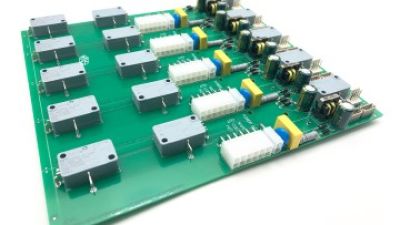
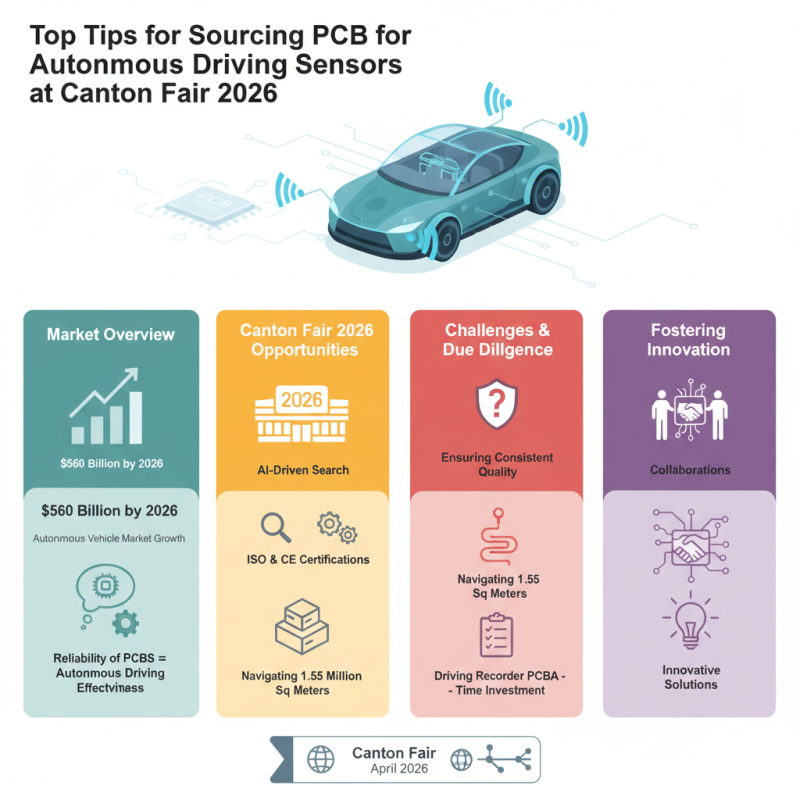
As the demand for advanced tech in the auto industry keeps growing, the importance of PCBs for autonomous driving sensors is becoming more and more crucial. Market trends show that the industry is booming — in fact, it's expected to hit over $560 billion by 2026. And if you ask industry insider John Smith from Tech Innovations, he’ll tell you, “The success of autonomous driving really hinges on how reliable those PCBs are in the sensors.”
Looking ahead, the upcoming Canton Fair in April 2026 could be a game-changer for anyone looking to source top-quality PCBs designed specifically for these smart sensors. With new AI-powered search and navigation features, the whole process is getting a lot easier for buyers. You can even filter suppliers based on certifications like ISO and CE, which is pretty handy. But, let’s be honest, it’s not all smooth sailing — many folks are concerned about maintaining consistent quality across the board.
The fair itself is huge — a staggering 1.55 million square meters of exhibitors — so it can definitely feel a bit overwhelming trying to navigate it all. If you're in the market for components like Driving Recorder PCBA, you’ll want to be ready to do some homework and due diligence. Still, the fair is a solid place to face those uncertainties head-on, connect with others, and maybe even spark some innovative collaborations that could move things forward.
Understanding the Importance of PCBs in Autonomous Driving Sensors
Printed circuit boards (PCBs) play a crucial role in the field of autonomous driving sensors. These sensors rely on PCBs for their functionality and performance. Effective design and sourcing of PCBs can significantly impact the reliability of these advanced systems. Properly designed PCBs ensure efficient signal flow and minimal interference, which is vital for real-time data processing in autonomous vehicles.
One challenge in sourcing PCBs lies in balancing quality and cost. Many manufacturers focus on low prices, which can lead to poor-quality products. This often results in malfunctions or performance issues over time. Choosing a supplier who understands the specific requirements of autonomous driving technology is essential. They should be able to provide PCBs that meet stringent performance criteria.
Adopting a test-driven approach can help identify potential weaknesses in PCB designs.
Incorporating advanced materials can enhance PCB performance, but it may also increase costs. There’s a constant push and pull between innovation and affordability. Suppliers should regularly evaluate their materials and manufacturing processes. Finding a reliable partner at trade events like the Canton Fair offers insights into the latest trends. However, it’s important to remain vigilant and foster an environment for continuous improvement. Only then can the true potential of autonomous driving sensors be realized.
Key Considerations When Sourcing PCBs at Canton Fair 2026
When sourcing PCBs for autonomous driving sensors at Canton Fair 2026, it’s vital to focus on key considerations. The intricate design of PCBs plays a pivotal role in the performance of autonomous driving systems. Look for suppliers that specialize in high-frequency PCB technology. They should provide detailed specifications for their products. Pay attention to thermal management capabilities, as these are crucial for high-performance sensors.
Quality control is essential. Request certifications and quality assurance processes from manufacturers. This ensures reliable PCBs that can withstand the demanding environments of autonomous vehicles. Don't hesitate to ask for samples, allowing you to assess the product firsthand. Engaging with suppliers who maintain transparent communication can also reveal their production limitations.
Budget constraints are a concern. However, compromising on quality can lead to greater costs later. Evaluate trade-offs between price and quality carefully. Mistakes often emerge when focusing solely on the lowest bid. Investing time in research can help avoid regrets. It's better to build relationships with reliable partners, even if it means spending a bit more. These partnerships can provide long-term benefits and consistent quality.
Identifying Reliable PCB Manufacturers and Suppliers
When sourcing Pcb For Autonomous Vehicles, reliability is key. A recent report indicated that 75% of companies find reliable suppliers challenging to identify. Attending events like the Canton Fair can help bridge this gap. Observing suppliers’ certifications, like ISO 9001, signals their commitment to quality production.
Another critical factor is communication. Effective dialogue with manufacturers can reveal their capabilities. However, language barriers may complicate matters. It's essential to ask detailed questions about their experience in PCB for autonomous vehicles. A manufacturer with past projects in automotive and aerospace sectors often proves more trustworthy.
Quality assurance processes must also be examined. Some manufacturers may claim high standards yet lack proven track records. Always request samples to assess quality firsthand. Remember that not all PCB designs are equal. Some might not meet the specific needs of autonomous driving sensors. Consider reliability and expertise before making commitments.
Evaluating PCB Design and Specification Requirements
When sourcing PCB for autonomous driving sensors, clear design and specification requirements are essential. Understand the unique needs for your application. Different sensors require varied PCB stack-ups. Consider factors such as signal integrity and thermal management in your design.
Assessing specifications can be challenging. Some manufacturers may not meet your high standards. Communicate openly with suppliers about your needs. Set clear expectations regarding design tolerances. Test prototypes thoroughly. Inspections at every stage can prevent costly errors later.
When you're at the Canton Fair, take time to explore. Many providers will offer
ODM PCBA Solutions for Autonomous Vehicles. Don’t rush into decisions. Look at their previous projects. Ask for references. This process can reveal insights about their reliability. Remember, while many offer attractive options, few will align perfectly with your requirements. Reflect on your lessons learned from past sourcing experiences.
Navigating Trade Regulations and Compliance for PCBs
Navigating trade regulations for sourcing PCBs can be challenging,
particularly in the domain of autonomous driving sensors.
Understanding compliance requirements is essential.
According to recent industry reports, over 70% of companies face issues related to regulatory compliance when
sourcing electronic components internationally. This highlights the need for thorough research and preparation.
One key tip is to stay updated on international trade regulations.
Customs laws can vary widely across regions, and changes can occur suddenly.
It's vital to monitor updates from relevant authorities. Another suggestion is to engage with local experts
who understand the compliance landscape. They can provide insights that online resources may not cover.
Ensure documentation is meticulous.
Incorrect or incomplete paperwork can lead to delays or fines. Data from the Global Compliance Organization indicates that
up to 30% of shipments face customs holdups due to documentation errors.
It's worth investing time to double-check all necessary forms. Ultimately, a proactive approach to compliance can
mitigate risks and streamline your PCB sourcing process.
Best Practices for Negotiating Costs and Terms
When attending the Canton Fair in 2026 for sourcing PCBs for autonomous driving sensors, negotiating costs and terms is crucial. Understanding the local market dynamics can lead to better deals. Research pricing trends in advance. This preparation can minimize the risk of overpayment.
During negotiations, aim to establish a relationship. Consider using open-ended questions to gather more information. This can help you understand the supplier's flexibility. For example, inquire about bulk order discounts or payment terms. Small concessions can lead to larger agreements. Always be ready to walk away. It’s a powerful negotiation tactic.
Pay attention to the quality of components. Inspect the samples closely. Sometimes, suppliers may use subpar materials. This is particularly important for high-tech items like Vishay Sensors. A good PCB should enhance sensor performance. Don't hesitate to ask for certifications or testing reports. Evaluate everything carefully to ensure you get what you pay for.
Top Tips for Sourcing PCB for Autonomous Driving Sensors at Canton Fair 2026
Ensuring Quality Control and Testing Standards for PCBs
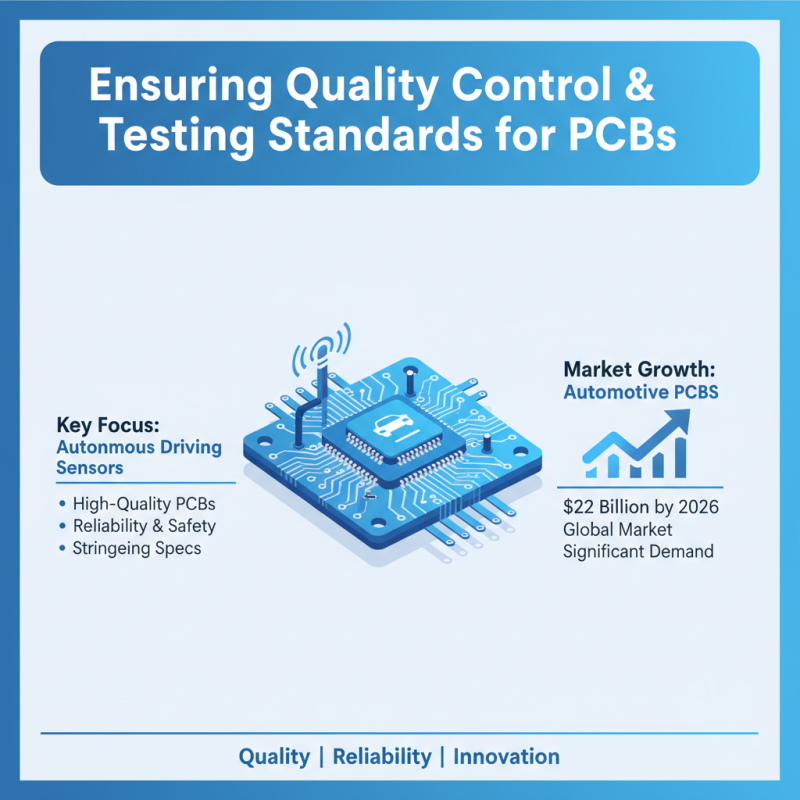
Sourcing PCBs for autonomous driving sensors requires careful attention to quality control and testing standards. The demand for high-quality printed circuit boards (PCBs) in the automotive sector is growing. Industry reports indicate that the global PCB market for automotive applications will reach $22 billion by 2026. This significant growth emphasizes the importance of ensuring that the PCBs meet stringent quality specifications.
When examining potential suppliers at the Canton Fair 2026, prioritize manufacturers who follow internationally recognized quality standards. Verify that their PCBs go through comprehensive testing protocols. Given that integrated systems like "Honeywell Temperature Sensors" are sensitive, rigorous assessments must be in place. This includes thermal cycling tests, vibration, and shock testing to ensure reliability.
A key tip is to request detailed testing reports from suppliers. Don’t shy away from asking for samples and conducting your own evaluations. Transparency helps establish trust. It's often challenging to find suppliers who meet all criteria. Assessing their production processes can reveal gaps. Be aware that even reputable manufacturers may have some inconsistencies in quality. Thus, continuous monitoring is essential to ensure that the PCBs function flawlessly in demanding environments.
Exploring the Growth Trends and Insights in New Energy PCB Assembly Manufacturing Services: A Data-Driven Perspective
The new energy sector is experiencing significant growth, driven by the increasing demand for sustainable and efficient solutions. This trend has led to a surge in the need for advanced PCB assembly manufacturing services that cater specifically to the energy and renewable energy electronics industries. Manufacturers are now focusing on providing comprehensive PCBA solutions that not only enhance product performance but also align with environmental goals.
In this transforming landscape, companies are offering full turnkey services that encompass every aspect of the PCB assembly process. From the precise manufacturing of printed circuit boards to the procurement of high-quality components, and thorough PCBA testing, these services ensure that products meet stringent quality standards. Continuous quality monitoring throughout the assembly process is critical, helping to foster consumer trust in the rapidly evolving energy sector.
Moreover, collaboration between PCB manufacturers and high-tech service enterprises across various industries has become increasingly prevalent. This synergy is essential for driving innovation, particularly in fields such as communications, industrial control, and automotive electronics. By investing in state-of-the-art PCB manufacturing technologies, assembly providers are not just meeting current market demands but are also positioning themselves as key players in the future of green technology, paving the way for a more sustainable world.
FAQS
: PCBs ensure functionality and performance, allowing efficient signal flow and minimal interference essential for real-time data processing.
Balancing quality and cost is difficult. Low-priced options may lead to poor quality and performance issues over time.
Look for certifications like ISO 9001. Attend trade events to evaluate potential suppliers and their commitment to quality production.
Ask detailed questions about their experience in automotive-related PCB projects. Past work in similar sectors can indicate reliability.
Effective dialogue reveals a manufacturer's capabilities. Language barriers may complicate this, so clarity in questions is vital.
Request samples and detailed testing reports. Evaluate their quality control processes and testing protocols to assess reliability.
Even reputable manufacturers can have inconsistencies. Ongoing evaluation ensures PCBs function correctly under demanding conditions.
Thermal cycling tests, vibration, and shock testing are essential. These methods ensure PCBs can withstand stress in autonomous systems.
They may enhance performance but can also raise costs. Evaluate the balance between innovation and affordability when making decisions.
Be wary of manufacturers claiming high standards without proven records. Samples can reveal actual quality versus advertised performance.
Conclusion
As autonomous driving technology continues to evolve, sourcing high-quality PCB for Autonomous Driving Sensors becomes increasingly critical. The article emphasizes the importance of understanding the specific requirements of PCB design and specifications tailored for these advanced applications. When attending Canton Fair 2026, it's essential to consider key factors, such as identifying reliable manufacturers and suppliers, navigating trade regulations, and ensuring compliance standards are met.
Moreover, best practices for negotiating costs and terms are highlighted, along with strategies for maintaining rigorous quality control and testing standards. By following these guidelines, businesses can effectively secure the necessary PCBs that will support the development and functionality of autonomous driving sensors, ultimately contributing to safer and more efficient transportation systems.