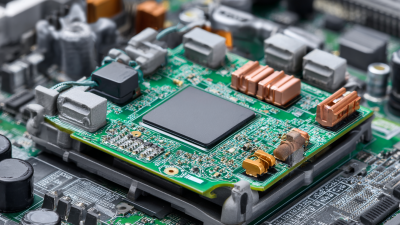
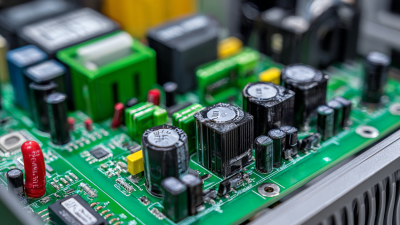
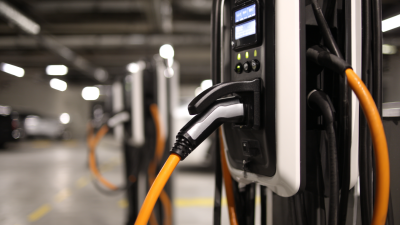
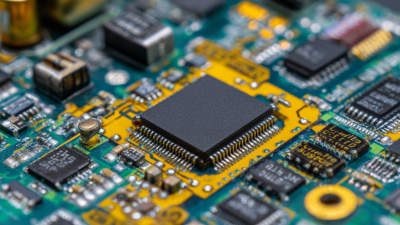
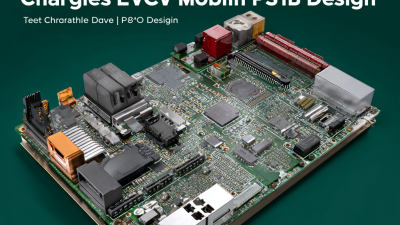
In today's really fast-changing world of electric vehicles, the way we design EV Charging Module PCBs is actually pretty important for making users’ lives easier and better. As more folks are on the hunt for efficient charging options, showing off really good Charging Station PCBs at trade shows becomes a must-do. A well-crafted PCB can seriously boost how well the product performs and how reliable it feels.
Trade shows? They're a golden chance for manufacturers to meet potential customers and make connections. But here’s the thing—many booths and designs kinda miss the mark when it comes to the details in EV Charging Module PCB design. Things like layout, circuit security, and heat management are super important. Small mistakes in these areas can lead to big problems and might even give a poor first impression.
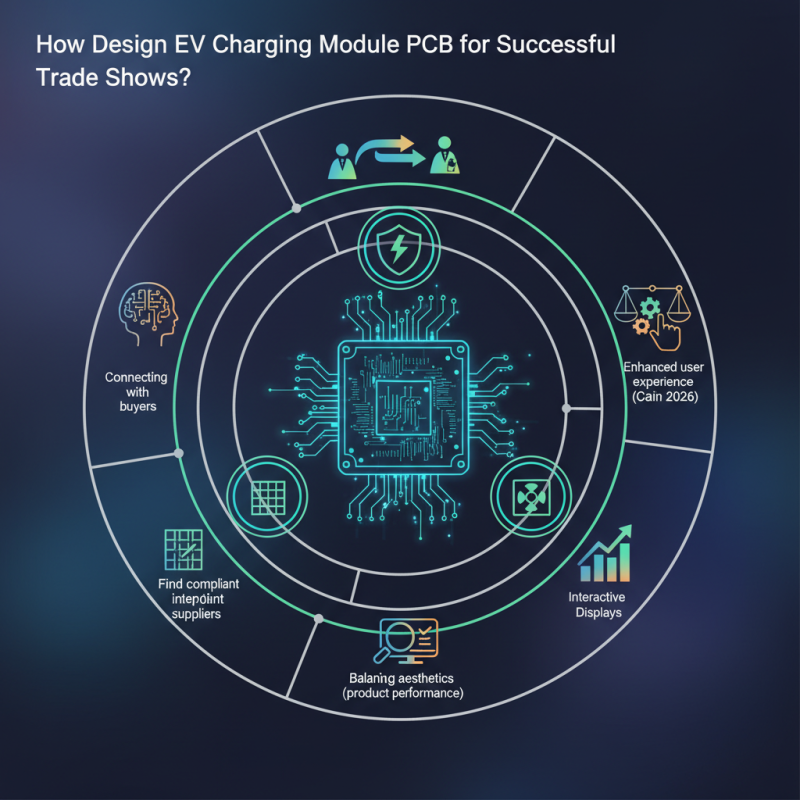
Looking ahead to 2026, the Canton Fair will start using AI tech to help buyers find suppliers who meet all the rules — including those who make Charging Station PCBs. But, honestly, it’s not just about the tech. Companies really need to think about their booth setups and how they demo their products. Eye-catching visuals and interactive displays can totally help, but at the end of the day, they have to be supported by solid engineering to really sell the quality. Finding the right balance between looks and function — that’s still the tricky part in this competitive scene.
Understanding the Importance of PCB Design for EV Charging Modules
Understanding the importance of PCB design for EV charging modules is crucial for manufacturers and developers. According to a recent market report, the global electric vehicle charging station market is expected to reach $30 billion by 2026. Aligning PCB design with this growth can lead to greater success in trade shows and overall sales.
The design of the charging module's PCB, especially when integrating a Wireless Charging Circuit Board, can impact efficiency and user experience. Designers must pay attention to thermal management, component placement, and layout optimization. Poorly designed PCBs can result in overheating and unreliable performance, which reflects poorly on a company’s innovation. In a saturated market, even minor design flaws can deter customers.
The rise of smart charging solutions adds complexity to PCB design. Ensuring compatibility with various charging standards is essential. Data shows that nearly 40% of users prefer smart, contactless solutions. This means that a well-executed design will not only cater to this preference but also elevate brand perception. Yet, not every design team may possess the expertise in high-frequency designs, leading to potential oversights. Continuous learning and iterative testing can help bridge these gaps.
Key Features to Consider in EV Charging Module PCB Design
Designing an EV charging module PCB requires careful consideration of several key features. Thermal management is critical. Effective heat dissipation protects components and improves performance. Using copper pour and thermal vias can enhance heat transfer. Ensure there are plenty of escape routes for heat. Otherwise, components may fail.
Layout is another significant factor. It’s essential to optimize the spacing between high-voltage and low-voltage sections. This prevents potential interference and enhances safety. A well-organized layout reduces electromagnetic interference. However, achieving this can be challenging. Prototyping multiple layouts can lead to valuable insights.
Material choice also plays a vital role. Select materials that withstand high currents and environmental conditions. FR-4 offers a balance of cost and performance, but other materials exist as well. Keep in mind that specific requirements might necessitate different solutions. Each decision can lead to potential pitfalls that require reflection before moving forward. Balancing all these aspects is no small feat, and ongoing evaluation is necessary for improvement.
How to Design EV Charging Module PCB for Successful Trade Shows?
| Feature |
Importance |
Considerations |
Best Practices |
| Thermal Management |
High |
Use of thermal vias, heat sinks |
Perform thermal simulations |
| Voltage Regulation |
High |
Select suitable regulators |
Test under load conditions |
| Component Layout |
Medium |
Minimize trace lengths |
Adhere to design rules |
| Signal Integrity |
High |
Use differential pairs |
Simulate for EMI issues |
| Safety Features |
Critical |
Isolation, fuses, over-voltage protection |
Conduct safety tests |
| Size Optimization |
Medium |
Compact component selection |
Utilize 3D modeling |
Best Practices for Component Placement on EV Charging PCBs
Designing an EV charging module PCB requires careful component placement. Placing components correctly can enhance performance and ease troubleshooting. For example, keep power components close to the edge. This minimizes trace length and reduces power loss. Ensure connectors are accessible for adjustments.
Heat management is crucial in PCB design. Place heat-sensitive components away from high-temperature areas. Consider airflow around the board. Incorporate thermal vias to dissipate heat effectively. This is often overlooked, leading to failures in the field.
Additionally, maintain adequate spacing between components. Crowded layouts can create noise and affect signal integrity. A clean, organized design helps electrical performance. However, achieving this balance is challenging and often requires revisiting designs. Even with the best intentions, mistakes happen. Reflecting on these can lead to better designs in the future.
EV Charging Module Component Placement Analysis
Thermal Management Strategies for EV Charging Module PCBs
Effective thermal management in EV charging module PCBs is critical. High temperatures can damage components and reduce efficiency. Designers must prioritize heat dissipation strategies early in the design phase. Using thermal pads and vias can enhance heat transfer. Proper placement of components can also help distribute heat evenly across the board.
Incorporating heat sinks is another effective strategy. They provide additional surface area for heat dissipation. However, choosing the right materials is essential. Aluminum is commonly used due to its lightweight and thermal conductivity. Still, not all designs require extensive heat sinks. Over-engineering can lead to increased costs and unnecessary weight.
Active cooling solutions can also be explored. Incorporating fans or pumps can regulate temperatures effectively. Yet, these solutions introduce complexity and potential points of failure. Designers should evaluate the reliability of these systems. Ultimately, balancing cost, performance, and reliability is a reflective process. Each design decision impacts the overall performance of the charging module.
Testing and Validation Methods for EV Charging PCB Designs
When designing an EV charging module PCB, testing and validation are crucial steps. You need to ensure the design can withstand real-world conditions. Start with bench testing to check its basic functionality. Measure voltage, current, and thermal performance in a controlled environment. This gives you initial insights into any potential flaws.
Tips: Use reliable components. Cheap options can lead to failures. Also, consider the layout carefully. Too many close components can cause interference. Testing can uncover issues that you may overlook on paper.
Once you pass initial tests, try environmental stress tests. Subject the Charging Station Pcba to different temperatures and humidity levels. This will reveal vulnerabilities that could fail in actual conditions. It's essential to document each test and its results. Regular reviews can highlight patterns in failures or successes.
Involve cross-functional teams for feedback. Sometimes, an engineer misses what a usability expert can catch. Each iteration brings you closer to a robust product. Embrace the imperfections discovered along the way; they are learning opportunities.
Preparing for Trade Shows: Essential PCB Design Considerations
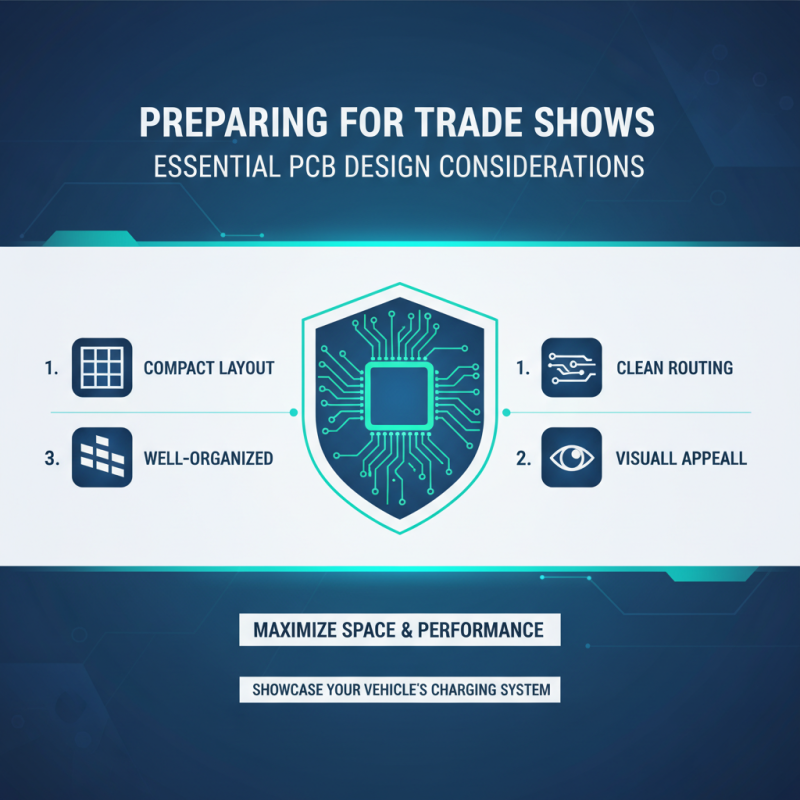
When preparing for trade shows, focusing on your PCB design is essential. The design plays a critical role in showcasing your charging system of the vehicle. Ensure that your layout is compact and well-organized. Every inch on your PCB matters. Clean routing allows for better performance while also making it visually appealing.
Consider thermal management during the design phase. Overheating can lead to product failure. Use thermal vias and adequate heat sinks. This decision may make your charger more reliable, especially in a busy exhibition environment. Sometimes, we underestimate the heat dissipation requirements. It's crucial to test your design under various conditions.
Additionally, think about the connectors and interfaces. They should be user-friendly and robust. Simplicity often enhances user experience. However, balance simplicity with functionality. A complex setup can confuse potential customers. Reflection on past designs can provide insights. Analyze what worked well and what didn't. Adapt your approach accordingly for a successful display at trade shows.
Marketing Your EV Charging Module PCB at Trade Shows
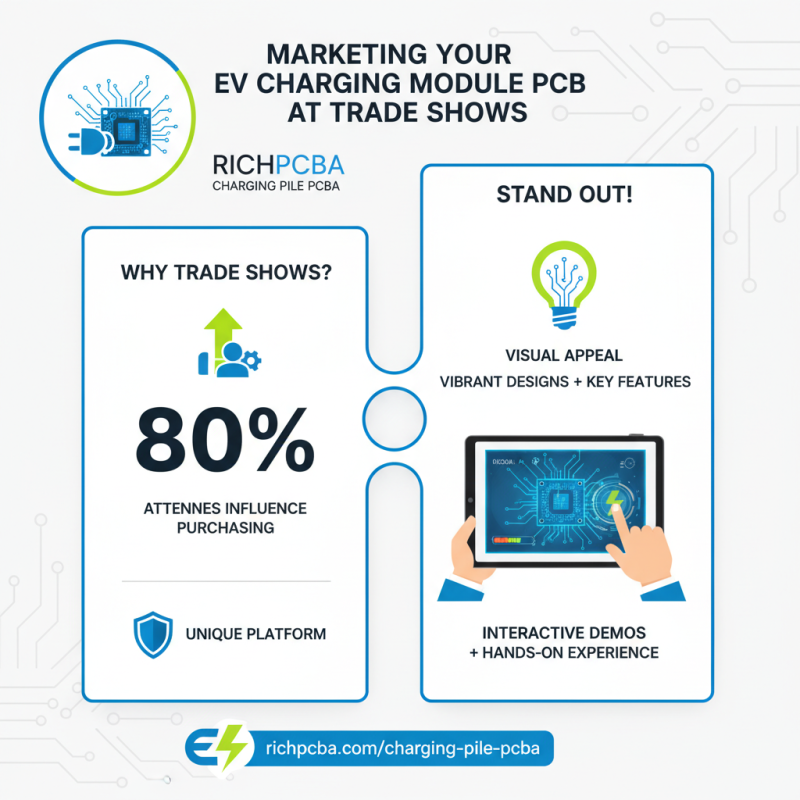
Trade shows offer a unique platform to market your EV Charging Module PCB. According to industry reports, nearly 80% of trade show attendees influence their company’s purchasing decisions. To stand out, your display should be visually appealing and interactive. Use vibrant designs that highlight the features of your Charging Pile PCBA. Incorporate demos that show how your module works in real-time, creating a hands-on experience for visitors.
Networking is crucial at trade shows. Engage with attendees and communicate the benefits of your Charging Pile PCBA clearly. Customized materials can help convey your message effectively. However, ensure these materials aren't just promotional fluff; they should deliver real value. It's essential to avoid common pitfalls like overwhelming prospective clients with information or neglecting follow-ups after the event. A thoughtful approach can turn casual conversations into meaningful connections.
Feedback is invaluable. Consider using surveys to gather insights from attendees about your presentation and product. Many exhibitors overlook this step, missing out on opportunities for improvement. Also, reflect on your unique selling points. Is your Charging Pile PCBA energy-efficient? Does it offer faster charging times? Highlight these aspects to attract interest. Trade shows are competitive, and differentiating your offering can lead to greater success.
Conclusion
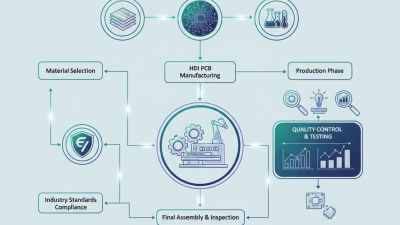
The article "How to Design EV Charging Module PCB for Successful Trade Shows?" highlights the crucial aspects of EV Charging Module PCB Design, emphasizing its significance in ensuring functionality and reliability. Key features to consider include layout efficiency, component selection, and thermal management to optimize performance. Best practices suggest strategic component placement and robust testing methods to validate designs, ensuring they meet industry standards.
As preparations for trade shows unfold, the article underscores essential PCB design considerations, such as showcasing innovations effectively and tailored marketing strategies. By focusing on these elements, designers can enhance the visibility and appeal of their EV Charging Module PCBs, making a significant impact at trade shows and positioning themselves favorably within the market.