As the demand for more advanced electronic gadgets keeps climbing, the market for flexible PCBs—those bendable printed circuit boards—has been growing like crazy. According to a report from MarketsandMarkets, the flexible PCB market is expected to hit around $30.73 billion by 2025, jumping with a compound annual growth rate (or CAGR) of about 10.8% since 2020. This really points to just how much these flexible boards are popping up in all kinds of sectors like consumer electronics, cars, and telecom stuff.
Chinese manufacturers? They've definitely been leading the charge here. They’re offering pretty competitive prices and a wide variety of options for buyers around the world. Big names like Jiangsu Wiha Technology and Suzhou Dongshan Precision Manufacturing have really upped their game in producing top-notch Flexible PCBs. It’s clear that China is solidifying its spot as a major player in PCB manufacturing. That said, there are still some hurdles—things like quality control and worries about intellectual property—that they’re working on ironing out.
For folks sourcing these PCBs globally, it’s super important to understand how things are shaking out. Doing your homework on supplier credentials, manufacturing capacity, and delivery timelines can make a big difference. Working with a trustworthy manufacturer can help avoid some nasty surprises and ensure you get a quality product. Plus, it’s a good idea to get familiar with local rules and regulations when dealing in China—nothing kills a deal faster than missing something important on your end.
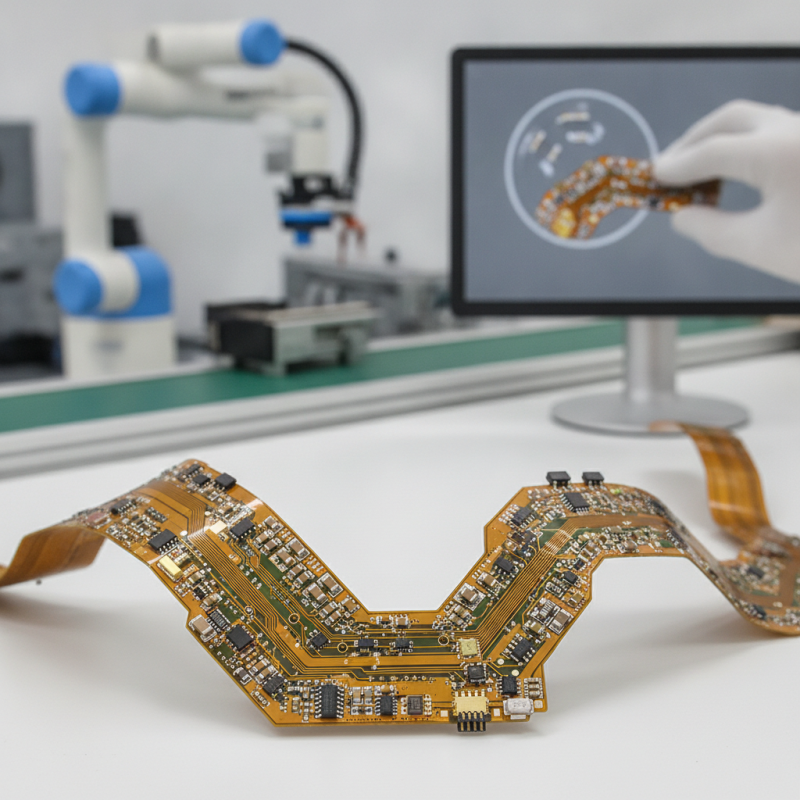
Overview of Flexible PCBs and Their Applications in Various Industries
Flexible printed circuit boards (PCBs) have revolutionized various industries by offering adaptability in design and functionality. These circuits are lighter and thinner than traditional rigid boards, making them a preferred choice in consumer electronics and medical devices. According to market research, the global flexible PCB market size was valued at approximately $16 billion in 2022 and is expected to grow significantly by 2028. This growth reflects the increasing demand for space-saving and lightweight electronic components.
The automotive industry is also tapping into Pcb Flexible technology. Flexible PCBs improve the reliability of electronic systems in vehicles. They are essential for applications like flexible displays and sensor modules. A study showed that flexible circuits could reduce vehicle weight by up to 20%, which directly impacts fuel efficiency. However, industry experts warn about the challenge of maintaining durability under extreme conditions. Compromises may occur, affecting performance and lifespan.
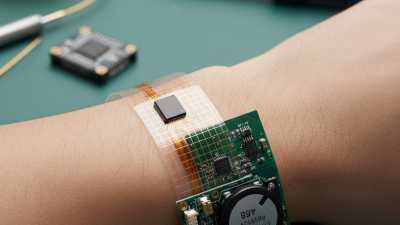
Healthcare applications rely on Pcb Flexible layouts for integrated devices. Wearable health monitors are becoming commonplace, thanks to their flexible nature. They conform easily to the human body, enhancing user comfort. Yet, there's a need for ongoing research to ensure these devices can withstand daily wear and tear. Flexibility must not compromise reliability or accuracy in vital monitoring tasks. This dual focus on innovation and durability will define the future of flexible PCB applications across industries.
Key Considerations for Global Buyers When Sourcing Flexible PCBs
When sourcing flexible PCBs, global buyers face unique challenges. Understanding production capabilities is crucial. Evaluate potential manufacturers based on their technology and materials. Look for suppliers with a strong track record in quality control. Reliable vendors often showcase certifications that demonstrate their commitment to industry standards.
Tips: Request samples to assess the quality of production. This hands-on experience can reveal important details about the product. Don't hesitate to ask about previous projects. Insights into past performance can guide your choices.
Communication barriers may arise, especially when dealing internationally. Establish clear lines of communication at the outset. Specify requirements and expectations clearly. Misunderstandings can lead to frustration and delays. It is essential to address concerns promptly to ensure a smooth process.
Tips: Use visual aids to explain complex requirements. This can minimize confusion and enhance clarity. Being patient and flexible can also foster better relationships with suppliers. Investing time in these interactions may yield long-term benefits.
China's Leading Manufacturers of Flexible PCBs: A Market Insight
China has become a key player in the global
Flexible Pcb
manufacturing market. Recent industry reports estimate that the flexible PCB market will reach
USD 29.15 billion by 2025, growing at a
CAGR of 10.5%. This growth is fueled by the increasing demand for
miniaturized electronics and flexible designs in various industries, such as automotive and healthcare.
Leading Chinese manufacturers are at the forefront of this innovation. They invest heavily in
research and development, resulting in products that meet stringent international standards. For instance, advanced production techniques ensure high reliability and durability. However, quality can vary significantly among manufacturers, highlighting the importance of careful supplier selection.
A diverse range of applications drives the flexible PCB market. From smartphones to wearables, the technology offers significant advantages in space-saving and performance. Yet, potential buyers must remain cautious. Evaluating manufacturers’ certifications and production capabilities is essential. Data from credible sources indicate that about
34% of flexible PCB failures originate from material defects, which emphasizes the critical nature of manufacturing processes.
Quality Standards and Certifications for Flexible PCBs in China
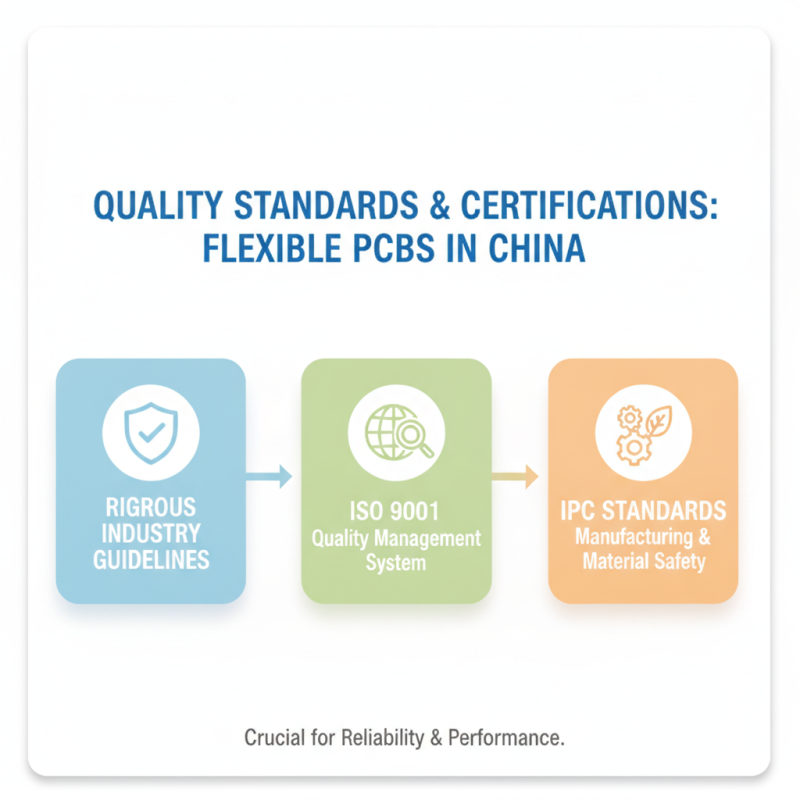
When considering flexible PCBs in China, quality standards and certifications play a crucial role. Manufacturers should adhere to rigorous industry guidelines. Common certifications include ISO 9001 and IPC standards. ISO 9001 ensures a quality management system is in place. IPC standards focus on the manufacturing process and material safety.
However, not all manufacturers might meet these standards consistently. Buyers should conduct thorough audits during the selection process. It's important to verify that certifications are valid and up-to-date. This step can help avoid potential pitfalls in quality. Communication with suppliers is key; understanding their commitment to quality is essential.
Flexibility and reliability are vital for modern applications. Low-quality flexible PCBs can lead to failures in critical systems. Sometimes, buyers may overlook the significance of long-term supplier relationships. Building these connections can enhance trust and accountability. As always, do your due diligence before making decisions in this competitive market.
Supply Chain Dynamics: How to Efficiently Source from China
Navigating the supply chain dynamics when sourcing Flexible Pcb Board from China requires careful consideration. As global demand rises, the Flexible PCB market is projected to grow at a CAGR of 10.3%, reaching $20 billion by 2025. This impressive growth highlights the importance of efficient sourcing strategies. Buyers must identify reliable manufacturers that maintain quality while ensuring timely delivery.
To establish a solid supply chain, communication is crucial. Engaging with suppliers early can mitigate risks. In a recent survey, 32% of companies reported delays due to inadequate communication. Investing time in understanding production capabilities is vital. For instance, manufacturers often use advanced technology to enhance flexibility and durability in PCB production. These factors can significantly impact the final product’s performance.
Balancing cost and quality remains a challenge. While cheaper options may reduce initial expenses, they can lead to increased failure rates. Industry data suggests that companies that prioritize quality often achieve a 30% reduction in long-term costs. This inconsistency in the market raises questions about the reliability of certain suppliers and the importance of vetting processes. Leveraging resources, such as trade shows and industry reports, can aid in identifying trustworthy partners.
Cost Comparison: Flexible PCBs in China vs. Other Global Markets
When exploring flexible printed circuit boards (PCBs), cost is a primary factor for global buyers. In China,
Flexible Pcb Cost tends to be lower compared to many other markets. This is due to lower labor costs and a well-established production infrastructure.
Manufacturers in China often have advanced technologies that support cost-effective mass production. The combination of rapid turnaround times and economies of scale offers a competitive edge to buyers.
However, it’s not just about price. Quality can vary greatly among vendors. Some Chinese manufacturers adhere strictly to international quality standards, while others may cut corners to reduce costs. It is crucial for buyers to conduct thorough due diligence. Assess production capabilities and certifications.
Engage in direct communication to clarify expectations. This process can be time-consuming but is essential for ensuring reliable products.
Potential buyers may encounter discrepancies in pricing even within China. Regional differences and production capacities influence the final costs of flexible PCBs.
Flexibility in design and quantity can also affect pricing structures. Collaborating with manufacturers can lead to better negotiation on flexible PCB cost, helping buyers find suitable options that meet both quality and budget requirements.
Future Trends in Flexible PCB Technology and Buyer Implications
Flexible Printed Circuit Boards (PCBs) are gaining momentum in the electronics industry. The global market for flexible PCBs is projected to reach $26.6 billion by 2026, with a CAGR of over 10% according to industry reports. This growth signifies a shift towards innovative designs and lightweight components. Buyers must consider how these changes will affect their sourcing strategies.
Future trends indicate a push for sustainable materials and improved manufacturing processes. For instance, the use of biodegradable substrates is on the rise. This shift not only addresses environmental concerns but also aligns with consumer preferences for eco-friendly products.
Additionally, advancements in 5G technology will drive demand for high-frequency flexible PCBs. Increased data transfer rates require more sophisticated designs.
Tips: Always evaluate a supplier's quality assurance practices. Ensure they have certifications that reflect industry standards. Transparency in their production processes can save unexpected costs down the line. Another aspect to watch is the lead times for delivery. Shorter lead times often indicate a supplier’s capability to meet urgent demands.
Understanding these trends allows buyers to make informed decisions and stay competitive in a rapidly changing landscape.
Comprehensive Guide to the Advanced HDI TR Power Control Board PCB for Enhanced Power Management Solutions
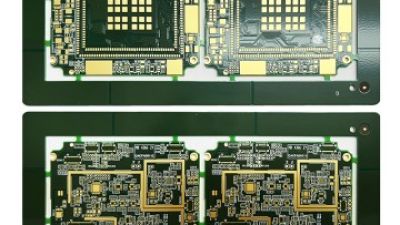
The advanced HDI TR power control board PCB represents a significant leap in power management technologies, offering solutions tailored for the modern demands of efficiency and miniaturization. Utilizing High-Density Interconnect (HDI) technology, these PCBs are instrumental in delivering high-performance power management in diverse applications. With a design that can include up to ten layers and an impressively slim profile of just 1.0mm, they facilitate a new era of integration without compromising electrical performance.
The construction of these power control boards involves cutting-edge techniques such as advanced laser drilling and meticulous component placement. This meticulous approach not only allows for ultra-fine circuitry but also enhances thermal management capabilities and signal integrity. As a result, the HDI TR power control board PCB can support reliable power control across a wide range of devices and systems, meeting the growing needs for intelligent and responsive power solutions in today's technology landscape.
FAQS
: Flexible printed circuit boards are lightweight and thin circuits designed for adaptability.
They offer space-saving designs and reduce overall product weight, enhancing portability.
It improves reliability in vehicle systems, supporting features like sensor modules and displays.
Maintaining durability can be tough, and compromises may reduce performance and lifespan.
They allow wearable health monitors to conform to the body, improving comfort for users.
Ensuring durability and accuracy in vital monitoring tasks is crucial for patient safety.
The market is expected to reach $26.6 billion by 2026, reflecting significant growth trends.
The use of biodegradable materials is on the rise, addressing environmental concerns.
Assess their quality assurance practices and ensure compliance with industry standards.
Shorter lead times indicate a supplier's ability to meet urgent demands effectively.
Conclusion
This article provides an in-depth exploration of flexible PCBs, highlighting their diverse applications across various industries. It outlines essential considerations for global buyers, such as quality standards and certifications necessary when sourcing flexible PCBs from China. The insight into China’s leading manufacturers emphasizes the country’s pivotal role in the flexible PCB market, while also addressing supply chain dynamics that can streamline sourcing processes.
Moreover, the article offers a cost comparison between flexible PCBs produced in China and those from other global markets, showcasing potential savings for buyers. Finally, it looks ahead to future trends in flexible PCB technology, discussing the implications for buyers and the evolving landscape of this critical component in modern electronics.