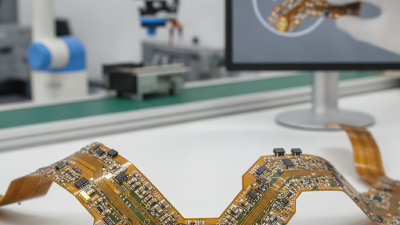
Hey, have you noticed how quickly the electronics world is changing? One trend that’s really catching on is the skyrocketing demand for high-quality flexible PCBs. I came across a report from IDTechEx that projects the flexible electronics market will hit around $50 billion by 2026 — pretty wild, right? This huge growth just shows how important it is to find trustworthy ODM manufacturers who specialize in flexible PCB tech. These companies aren’t just about pushing out products; they bring innovative ideas to the table and also play a big role in making sure the quality and performance stay consistent.
One standout player in this space is Multek. They’ve earned a solid reputation for their super creative flexible PCB designs. What’s cool about them is how they mix cutting-edge manufacturing techniques with what their customers really want. Thanks to their focus on versatile designs and durability, flexible PCBs are popping up everywhere — from gadgets around the house to medical devices. But honestly, picking the right manufacturer isn’t always a walk in the park. The quality and service levels can vary quite a bit.
Sure, there are plenty of top-notch providers out there, but occasional hiccups happen like material defects or inconsistencies in production. That’s why it’s so important to do your homework and really evaluate your options. Being aware of these little nuances can help businesses make smarter choices, really getting the most out of Rigid Flexible Pcb tech. At the end of the day, focusing on quality and reliability is key if you’re aiming for the long game — success depends on it.
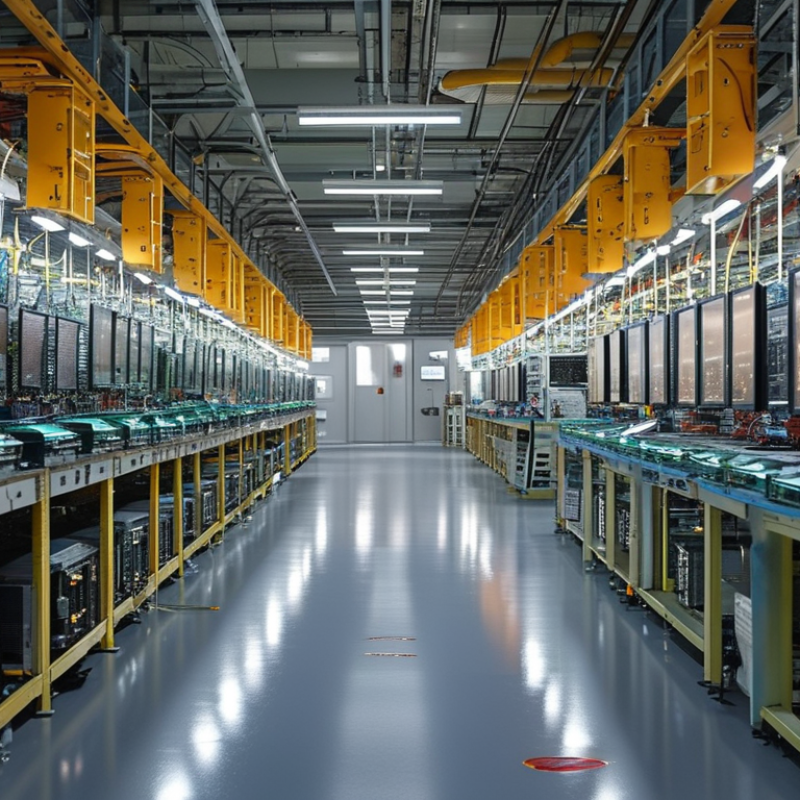
Key Characteristics of High-Quality Flexible PCB Manufacturers
When selecting a high-quality flexible PCB manufacturer, certain key characteristics become essential to ensuring reliability and performance. First, consider their experience in the industry. Firms with a proven track record often demonstrate superior quality control processes. A recent report from IPC indicates that 60% of manufacturers struggle with inconsistent quality. Therefore, a company’s commitment to rigorous testing and adherence to industry standards is crucial.
Another important aspect is technological capability. Advanced manufacturers leverage cutting-edge technology in their production processes. According to research from Circuits Assembly, firms utilizing automated systems report a 30% reduction in production errors. This automation not only enhances precision but also accelerates turnaround times. A manufacturer’s ability to innovate can set them apart from competitors.
Additionally, it’s important to assess the manufacturer’s customer service and support options. Effective communication leads to better collaboration. However, many customers report frustrations with response times. This highlights the need for manufacturers to prioritize responsiveness and transparency. A reliable partner should foster an environment where clients feel valued and informed throughout the process. This focus on client relationships can significantly impact overall satisfaction and project success.
Understanding the ODM Business Model in PCB Manufacturing
In the realm of PCB manufacturing, understanding the ODM (Original Design Manufacturer) business model is crucial for success. This model is particularly beneficial when it comes to flexible PCBs. A recent industry analysis highlights that the flexible PCB market is projected to grow by approximately 11.5% CAGR from 2023 to 2030. This growth is largely driven by the demand for lightweight and space-efficient electronic components.
The ODM model allows manufacturers to leverage their expertise in design and production. This results in reduced time-to-market for companies seeking innovative solutions. However, potential challenges exist. Relying too heavily on ODM partnerships can lead to quality inconsistencies. A company’s intellectual property may also be at risk if proper safeguards are not implemented.
Market reports indicate that about 60% of consumers prefer custom-designed flexible PCBs. This preference underscores the necessity for ODMs to balance flexibility and reliability. Establishing strong communication with ODM partners is essential for mitigating risks. Additionally, current trends indicate that manufacturers must continuously evaluate the efficiency of their ODM relationships. This reflects an industry-wide shift towards improved quality and innovation in Pcb Flexible technology.
Benefits of Partnering with ODM Flexible PCB Manufacturers
Partnering with ODM Flexible Pcb manufacturers can significantly boost your production capabilities. These manufacturers excel in offering tailored solutions that meet diverse needs. According to industry reports, the flexible PCB market is projected to grow at a CAGR of 10.7% from 2020 to 2025, demonstrating strong demand and innovation in this technology.
One of the primary benefits of collaboration is cost reduction. ODM manufacturers often have streamlined processes, which can lower your overall expenses. Additionally, they provide access to advanced technology and expert insights that can enhance product performance. This partnership allows companies to focus on core activities while leveraging the manufacturers’ expertise in flexible PCB design.
Tip: Always assess the manufacturer’s experience and technology. Look for industry certifications or accolades to gauge their reliability.
It's crucial to choose a manufacturer who understands your specific requirements. Not all ODM manufacturers may excel in high-quality production. Some may lack the necessary resources or creativity. Communicating your project goals clearly can help mitigate potential misunderstandings. Explore the alignment between your vision and their capabilities by requesting prototypes. This step provides a more tangible insight into their production quality.
Tip: Regular audits of the manufacturing process can ensure ongoing quality assurance. Consistent communication helps maintain alignment throughout the project lifecycle.
Quality Control Standards for Flexible PCB Production
Quality control is critical in the production of flexible PCB. The industry has established rigorous standards to ensure that products meet customer expectations and regulatory requirements. According to a 2021 IPC study, over 70% of electronics manufacturers reported quality issues in flexible PCB production. Such statistics highlight the need for strict quality control measures.
Effective quality control starts with raw material selection. High-quality substrates and adhesives directly impact the performance and longevity of the Flexible Pcb Board. Regular testing of materials is essential. Additionally, employing automated inspection technologies can help detect defects early in the production process. A report from TechNavio showed a 35% reduction in defects when implementing such technologies.
Moreover, continuous training on quality standards for staff ensures that everyone is aligned with production goals. Faulty handling during assembly often leads to failures. Over 50% of manufacturers surveyed indicated that better employee training could significantly enhance output quality. Therefore, fostering a culture of quality within the organization is crucial for the manufacturing of reliable flexible PCB boards.
Top ODM High-Quality Flexible PCB Manufacturer Insights and Benefits
| Feature |
Description |
Benefits |
| Material Quality |
Utilization of high-grade materials that offer flexibility and durability. |
Enhanced performance and longer lifespan of PCBs. |
| Manufacturing Technology |
Advanced manufacturing processes such as laser cutting and automated testing. |
Increased precision and reduced production errors. |
| Quality Control |
Rigorous quality control standards at every manufacturing stage. |
Assured reliability and compliance with international standards. |
| Customization |
Flexible design options tailored to client specifications. |
Meeting specific application needs effectively. |
| Lead Time |
Shorter lead times due to efficient production workflows. |
Faster time-to-market for products. |
Innovations in Flexible PCB Technology by Leading Manufacturers
The world of flexible PCB technology is rapidly evolving. Leading manufacturers are pushing boundaries with innovations that enhance performance and versatility.
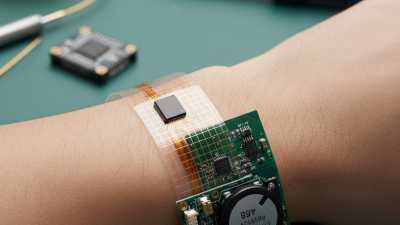
Flexible PCBs allow for more compact electronic devices. They can bend, twist, and fold without compromising functionality.
Recent advancements focus on materials that improve durability and conductivity. Manufacturers are experimenting with novel substrates that are lighter and stronger.
This innovation enhances heat dissipation, making devices more efficient. However, challenges remain. Issues related to production consistency and testing methods need addressing.
Achieving the perfect balance between flexibility and reliability is essential.
Design improvements also play a crucial role. Manufacturers are now utilizing advanced design software to optimize layouts.
This ensures effective space utilization and minimizes signal interference. Yet, integrating complex designs still presents hurdles. The constant push for thinner profiles increases the risk of errors during fabrication.
Flexible PCBs can offer remarkable benefits, but the journey to achieving the perfect product is ongoing.
Market Trends Influencing ODM Flexible PCB Manufacturing
The demand for ODM flexible PCB manufacturing is influenced by several key market trends. A recent report from Research and Markets indicates that the flexible PCB market is expected to grow at a CAGR of 10.2% from 2021 to 2026. This growth is driven by the increasing need for lightweight, space-saving electronic components in various industries, including consumer electronics, automotive, and healthcare.
One notable trend is the rising adoption of electric vehicles (EVs). A McKinsey report states that EVs will require advanced electronic systems. This has led to a surge in the demand for flexible PCBs, which are essential for compact and efficient designs. Additionally, the growing Internet of Things (IoT) market is pushing manufacturers to develop PCBs that are not only flexible but also highly reliable. Flexible PCBs can endure various environmental conditions, making them suitable for a wide range of applications.
However, the complexities involved in ODM manufacturing pose challenges. For instance, ensuring quality while reducing lead times can be a balancing act. Manufacturers often find themselves navigating issues like supply chain disruptions and material shortages. Data from the IPC shows that 40% of PCB manufacturers reported longer lead times due to these challenges. The industry must address these factors to meet the evolving demands effectively.
Evaluating the Cost-Effectiveness of Flexible PCBs in Electronics
The rise of flexible printed circuits (PCBs) is shaping the electronics landscape. Flexibility allows for compact designs in modern devices. A report from the Flexible Circuit Association reveals that the market for flexible PCBs is expected to grow significantly over the next several years. This trend illustrates a strong demand for innovative solutions and cost-effective manufacturing processes.
Evaluating the cost-effectiveness of flexible PCBs reveals intriguing statistics. According to a 2022 industry analysis, Flexible Pcb Cost can be 20-30% lower than traditional rigid PCBs when considering labor and material efficiencies. They reduce assembly time and minimize space requirements within devices. This efficiency drives manufacturers to adopt flexible designs. Yet, challenges remain. Sourcing high-quality materials can be inconsistent, affecting cost and performance.
Despite these hurdles, the long-term savings and design benefits of flexible PCBs are compelling. Reduced weight and size lead to less material waste. In the automotive sector, flexible PCBs enable complex configurations. As technology advances, understanding the trade-offs and staying informed about flexible PCB cost will be crucial for manufacturers. This industry is evolving, and those who adapt will thrive.
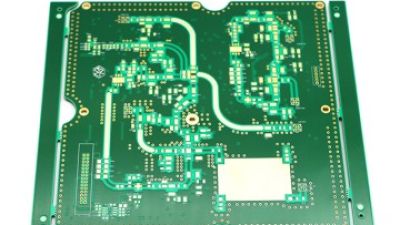
An In-Depth Exploration of High-Frequency Hybrid Pressing PCBs with 6L Resin Plug Holes for Enhanced Performance
The field of printed circuit boards (PCBs) continues to evolve, particularly with the advent of high-frequency hybrid pressing techniques. An essential component in these advanced designs is the use of 6L resin plug holes, which significantly enhance the performance and reliability of PCBs in demanding electronic applications. According to a market report by IPC, the global PCB market is expected to reach $85 billion by 2024, significantly driven by the growing demand for high-frequency applications across various sectors, including telecommunications and automotive.
The implementation of 6L resin plug holes plays a crucial role in high-frequency applications by reducing signal loss and improving thermal management. These advantages are particularly important as the industry shifts towards more compact and efficient designs. Recent studies indicate that PCBs incorporating advanced resin technologies can achieve a substrate loss tangent as low as 0.002, which is a remarkable feat for modern applications. This contributes to increased signal integrity and reduced electromagnetic interference, ultimately leading to more reliable electronic devices.
Moreover, hybrid pressing techniques facilitate the integration of different materials within a single PCB, allowing for tailored electrical properties that meet specific performance criteria. Reports from industry analysts highlight that the use of such hybrid methods is on the rise, with a projected compound annual growth rate (CAGR) of 12% over the next five years. This trend not only reflects the demand for more efficient manufacturing processes but also the need for high-performance materials in next-generation electronics, reinforcing the importance of innovations like 6L resin plug holes in PCBs.
FAQS
: Flexible PCBs are printed circuit boards that can bend, twist, and fold. They allow for compact electronic designs.
Advanced materials enhance durability and conductivity. Lighter and stronger substrates improve heat dissipation and overall efficiency.
Consistency in production and testing need improvement. Balancing flexibility with reliability remains a crucial challenge.
Manufacturers utilize advanced design software. This optimizes space and minimizes signal interference in the circuit.
The rise of electric vehicles increases the need for efficient electronic systems. This fuels demand for flexible PCBs.
Flexible PCBs can reduce costs by 20-30% compared to rigid PCBs. They lower labor and material costs, enhancing efficiencies.
Yes, thinner profiles can lead to fabrication errors. Quality control is crucial, yet it remains a challenging aspect of manufacturing.
The growing IoT market demands reliable, flexible PCBs. These boards must endure various environmental conditions across applications.
Supply chain disruptions and material shortages can prolong lead times. Manufacturers must navigate these complexities to maintain quality.
As technology evolves, recognizing the balance between cost, performance, and design is vital for manufacturers to stay competitive.
Conclusion
The article explores the essential attributes of high-quality Flexible PCB manufacturers, emphasizing the critical role they play in the electronics industry. It delves into the ODM (Original Design Manufacturer) business model, highlighting how these manufacturers provide significant advantages, including design flexibility and cost efficiency. Furthermore, it examines quality control standards that are pivotal in ensuring the reliability of Flexible PCBs, along with the latest innovations that drive technology forward.
Additionally, the article discusses current market trends that shape the ODM Flexible PCB manufacturing landscape, as well as the overall cost-effectiveness of integrating Flexible PCBs into electronic devices. By partnering with reputable ODM manufacturers, businesses can leverage enhanced quality, innovative solutions, and competitive pricing, ultimately contributing to the creation of advanced electronic products.