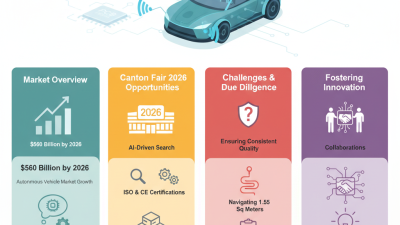
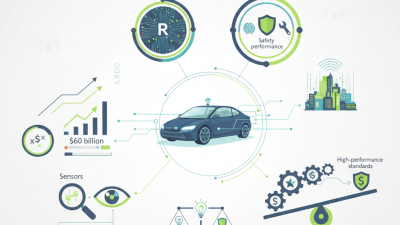
As the automotive world keeps on changing, it’s clearer than ever that we really need smarter tech for autonomous driving. Seriously, the global market for autonomous vehicles is projected to hit around $557 billion by 2026 — mostly thanks to big investments in sensors and electronic systems. And at the heart of all this? Reliable PCBs for autonomous driving sensors. These PCBs have to handle increasingly complex sensors and still meet strict automotive standards, which is no small feat.
Recently, a report from MarketsandMarkets pointed out that the demand for PCBs in autonomous systems is only going to grow. And big names like Bosch, Infineon, and NXP Semiconductors are leading the charge with some pretty innovative PCB tech. Still, there are some gaps — some manufacturers are having a tough time hitting those high reliability and performance standards. With data processing speeds skyrocketing, the design and manufacturing of these PCBs need to keep up with how quickly everything moves.
Long story short, the future of self-driving cars really depends on solid, dependable PCB solutions. For example, integrating Driving Recorder Pcba into vehicle systems can boost how well cars understand their surroundings. But, of course, challenges like managing heat and keeping signals clear still need to be tackled. Companies should learn from past slip-ups to build systems that are not just more reliable but also more efficient overall.
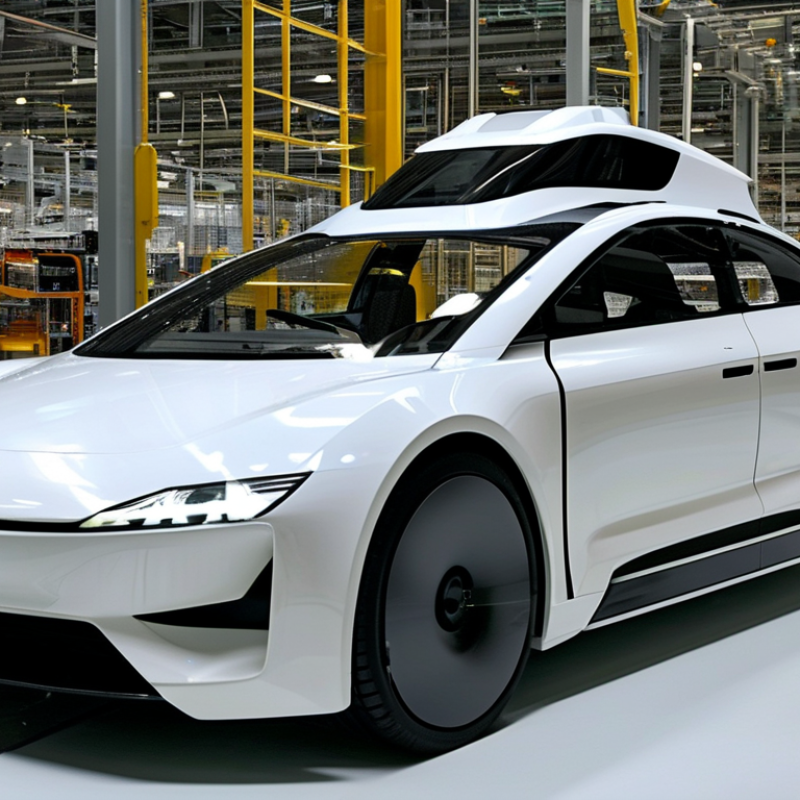
Overview of Autonomous Driving Sensors and Their Importance
Autonomous driving sensors are critical to the future of transportation. They allow vehicles to detect their surroundings and make decisions. These sensors include LiDAR, radar, and cameras. Each of these components plays a unique role. Their integration is complex yet vital for safety.
The reliability of sensor systems directly affects driving performance. Poorly functioning sensors can lead to accidents. This possibility raises concerns about technology limitations and sensor calibration. Engineers constantly refine these systems to improve accuracy. However, challenges remain. Environmental conditions can affect performance. For instance, fog or heavy rain may obscure readings, complicating data interpretation.
As the industry evolves, continuous improvement is essential. Emerging technologies promise advancements in sensor capabilities. Yet, the reliance on these systems raises questions about their effectiveness. Developers must address potential flaws and enhance user trust. Emphasizing transparency in sensor function can help build confidence in autonomous systems.
Top 10 PCB Solutions for Autonomous Driving Sensors
Key Characteristics of PCBs for Autonomous Driving Applications
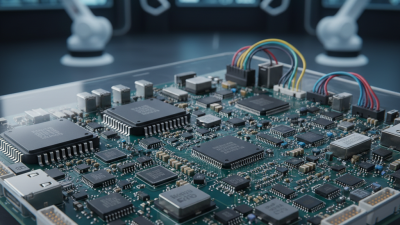
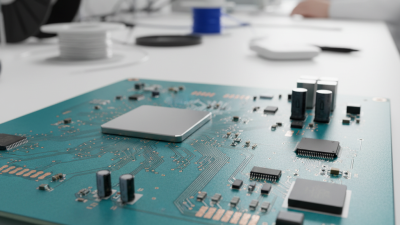
When it comes to autonomous driving, the role of printed circuit boards (PCBs) is invaluable. High reliability is essential. These PCBs must withstand harsh environmental conditions, including temperature fluctuations and vibrations. They are often placed in locations where exposure to moisture and dust is possible, necessitating robust protective coatings.
Additionally, signal integrity is crucial in these applications. The PCBs should manage high-frequency signals effectively. Complicated routing techniques become necessary, especially when integrating sensors like LIDAR and cameras. This complexity can be challenging. Engineers must balance accurate signal transmission with compact designs.
Thermal management is another significant factor. As sensors generate heat, effective dissipation mechanisms are required to prevent overheating. Utilizing advanced materials can improve thermal performance. Yet, the selection of these materials often comes with trade-offs, such as cost and manufacturability. Innovating in PCB design is a continuous journey, reflecting ongoing trials and improvements in the industry.
Top PCB Materials Optimal for Sensor Performance
When it comes to autonomous driving sensors, selecting the right PCB materials is crucial for enhancing performance. The ideal materials must support high-frequency signals and ensure minimal signal loss. Materials like FR-4, though common, may not always meet the demands of advanced sensors. They often struggle with thermal stability and higher signal integrity.
Choosing materials like polyimide or ceramic substrates can improve reliability. These options offer better thermal performance, which is essential for components exposed to varying temperatures. Additionally, using low-loss dielectrics can significantly boost signal clarity. This is particularly important in autonomous systems that rely on real-time data processing.
However, not all materials are perfect. Some high-performance options can be cost-prohibitive, presenting a trade-off between budget and functionality. Engineers must navigate these choices, ensuring the selected materials align with the sensor's operating environment. Ultimately, the decision-making process requires careful consideration of each material's strengths and weaknesses. The right fit can elevate an autonomous system's performance, but the journey to find it isn't always straightforward.
Innovative PCB Design Techniques for Enhanced Functionality
Innovative PCB design techniques play a crucial role in enhancing the functionality of sensors used in autonomous driving. These techniques focus on minimizing physical space while maintaining performance. For instance, using
multi-layer PCBs allows for complex circuitry in a compact format. This is essential for fitting sensors into tight spaces of autonomous vehicles. High-density interconnect (HDI) technology enables more connections within smaller areas, improving data transmission rates.
Thermal management is another key factor. As sensors generate heat, innovative thermal vias and heat sinks can efficiently dissipate this energy. This ensures that the sensors operate optimally without failing.
Signal integrity is also critical. PCB designers utilize impedance matching to minimize reflections and ensure fast, reliable communication. Such attention to detail can greatly enhance system performance.
However, it's important to reflect on the limitations of these techniques. For example, compact designs may lead to challenges in manufacturability. Complex processes can increase the chances of defects. Maintainers must balance innovation with practicality to ensure reliability in
Pcb For Autonomous Vehicles. Continuous testing and revision are
vital to meet rigorous industry standards. These challenges can be opportunities for better design, promoting ongoing improvements in the field.
Importance of Thermal Management in PCB Solutions
Thermal management is crucial in PCB solutions for autonomous driving sensors. As vehicles become smarter, sensors generate more heat. High temperatures can affect performance and reliability. Effective thermal management ensures that sensors operate within safe limits. Without it, component failure may occur, leading to safety risks.
To optimize thermal dissipation, engineers utilize materials with high thermal conductivity. Innovative designs play a significant role too. Heat sinks, thermal vias, and careful layout can aid in heat management. For instance, choosing the right materials for
ODM PCBA Solutions for Autonomous Vehicles is essential to balance
performance and thermal stability.
Real-world testing highlights the challenges of thermal management. Results can vary based on environmental conditions and sensor placement. Engineers must continuously refine their designs. The goal is to enhance safety and performance without compromising the vehicle's functionality.
Reliability Testing and Standards for Autonomous Driving PCBs
Reliability testing is critical for PCBs in autonomous driving sensors. This technology must withstand harsh environments. Temperature fluctuations, vibration, and moisture pose real challenges. With PCBs embedded in vehicles, their performance directly impacts safety. Engineers test materials and components rigorously to ensure long-lasting durability.
Standards in reliability testing are evolving. Tests assess thermal cycles, stress, and electrical performance. Engineers often face difficult choices. Some tests might not reflect real-world conditions. Others, while accurate, can be too costly. It's necessary to strike a balance. One aspect worth noting is the importance of using high-quality components, such as those found in
Vishay Sensors.
Experience shows that real-world data is invaluable. Testing in controlled environments sometimes falls short. Anomalies can arise in actual driving conditions. Sensor placements contribute to this variability. Engineers are encouraged to maintain flexibility in testing strategies. They must adapt to new findings and technologies that emerge regularly.
Future Trends in PCB Technology for Autonomous Driving Sensors
The realm of autonomous driving sensors is rapidly evolving, and PCB technology plays a crucial role in this transformation. As vehicles become more advanced, the demands on their electronic systems increase. Higher processing speeds and enhanced connectivity are essential for real-time data analysis. For instance, employing multilayer PCBs allows for compact designs while ensuring robust signal integrity. However, the challenge remains: balancing performance with manufacturing complexities.
Future trends indicate a shift towards using advanced materials and techniques. These materials must withstand harsh environments while maintaining efficiency. Innovations like embedded components and flexible PCBs are gaining traction. They provide the adaptability needed for various sensor applications, including Honeywell Temperature Sensors. Still, the pursuit of perfection poses its own set of challenges. Designing PCBs that can reliably adapt to new technologies requires careful consideration of thermal management and electromagnetic interference.
Furthermore, sustainability is becoming increasingly important in PCB manufacturing. Eco-friendly materials and processes can significantly reduce environmental impact. However, achieving this while maintaining performance standards leads to tough decisions. Will manufacturers prioritize green practices or performance? The answer is not straightforward. As the industry moves forward, ongoing research and development are essential to bridge the gap between sustainability and advanced functionality in autonomous driving sensors.
FAQS
: PCBs are crucial for reliability and performance in harsh environments faced by autonomous vehicles.
They must endure temperature changes, vibrations, moisture, and dust exposure, requiring strong protective coatings.
Engineers use complicated routing techniques and impedance matching for effective high-frequency signal management.
Thermal management prevents overheating, ensuring sensors function safely and reliably in autonomous vehicles.
Heat sinks, thermal vias, and careful PCB layout improve heat management in high-performance sensors.
Selecting materials for performance can also increase costs and complicate the manufacturing process.
Compact designs reduce space but may challenge manufacturability and lead to potential defects.
Ongoing testing ensures designs meet industry standards and helps address challenges in functionality and reliability.
Innovations should balance practicality and performance, with awareness of potential complexities and risks involved.
Variations in temperature and humidity may impact thermal management and overall sensor effectiveness in real-world scenarios.
Conclusion
The article "Top 10 PCB Solutions for Autonomous Driving Sensors Today" provides a comprehensive overview of the essential role of PCBs for Autonomous Driving Sensors in modern vehicle technology. It emphasizes the key characteristics required for these PCBs, such as high durability, precision, and the ability to withstand harsh environmental conditions. Additionally, the discussion on optimal PCB materials highlights their importance in enhancing sensor performance, while innovative design techniques are explored for maximizing functionality.
The article also underscores the significance of thermal management in ensuring the reliability and efficiency of PCB solutions, along with the rigorous reliability testing and adherence to standards necessary for automotive applications. Lastly, it touches upon future trends in PCB technology that promise to advance the capabilities of autonomous driving sensors, paving the way for safer and more efficient autonomous vehicles.