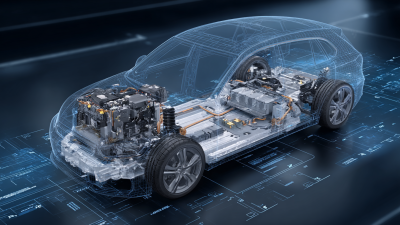
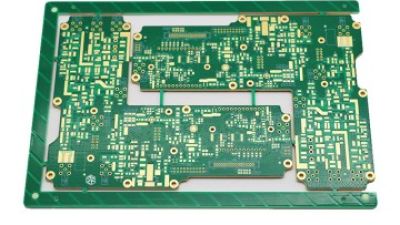
You know, DC fast chargers are really changing the game when it comes to electric vehicle (EV) charging. And honestly, the role of PCBs in these chargers can’t be overstated. I was chatting with John Smith from GreenTech Innovations — he’s sort of an expert in the field — and he mentioned, “The effectiveness of a fast charger really depends on its PCB design.” That just goes to show how vital high-quality printed circuit boards are if we want these chargers to work efficiently.
Think of PCBs as the backbone of these systems. They handle power flow and keep signals running smoothly. But if the PCB isn’t designed properly, things can get ugly – overheating, poor efficiency, you name it. Not all PCBs are created equal, and some designs definitely fall short, which can really impact how well the DC fast chargers perform. When looking for OEM services for fast PCB production, it’s crucial to prioritize reliability and good thermal management.
A well-crafted PCB doesn’t just boost charging speed — it keeps everything safe, too. But honestly, there’s plenty of room for improvement in many of the current designs. We need ongoing innovation to keep pushing things forward. Striking that perfect balance isn’t always easy, and every little detail matters when it comes to PCB design for these chargers. The future of EV infrastructure really hinges on making these advances happen.”
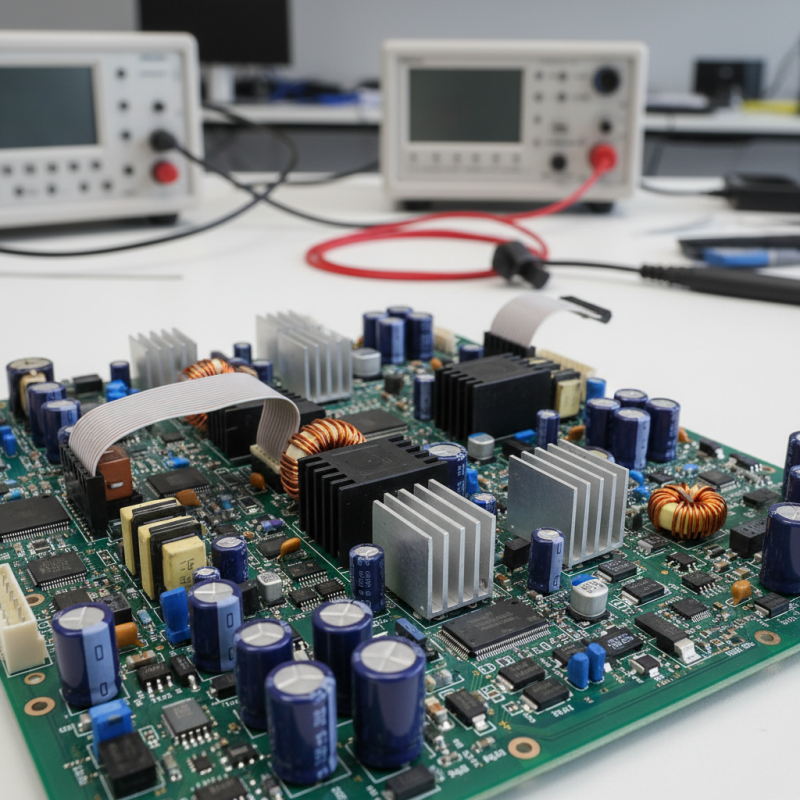
What is a PCB in the Context of DC Fast Chargers?
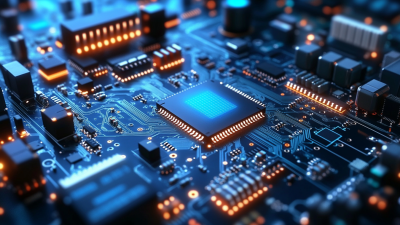
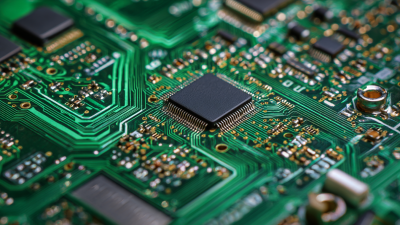
In the context of DC fast chargers, a printed circuit board (PCB) plays a critical role. It acts as the backbone of the charging system, ensuring that electricity flows efficiently. Without a well-designed PCB, chargers could overheat or underperform. The layout of the PCB can affect everything from charging speed to safety.
The components on the PCB are carefully arranged. They must handle high voltage and current. This requires precise engineering. Even a small mistake can lead to significant problems. Some designs may not adequately dissipate heat, causing failures during operation. Manufacturers often have to revise designs multiple times.
Additionally, the quality of materials used in the PCB impacts its performance. Low-quality components can lead to unreliable connections. Under stress, these can fail or degrade quickly. Regular testing and feedback loops are essential. Continuous improvements to PCB design can enhance durability and efficiency. The industry must always focus on refining these elements to improve overall performance.
The Role of PCBs in Electrical Circuits for Fast Charging
Printed Circuit Boards (PCBs) are crucial for the operational efficiency of DC fast chargers. They act as the backbone of electrical circuits in charging stations. According to a report by the International Energy Agency, global sales of electric vehicles (EVs) reached 6.6 million units in 2021, which highlights the growing demand for efficient charging solutions. A well-designed PCB can handle high currents and voltages, providing the necessary power to charge EVs quickly.
Fast-charging systems require sophisticated circuitry. The PCB must manage multiple power transitions seamlessly. Studies indicate that as much as 30% of charging time can be reduced with optimized PCB designs. However, issues like overheating or power loss can arise if not properly engineered. Some designs may not account for thermal management, leading to decreased reliability and efficiency. This is where ongoing advancements in material science and thermal simulation become essential.
The integration of advanced materials in PCB design has shown promise. For instance, high-frequency laminates can improve performance. Yet, the balance between cost and efficiency often leads to compromises in design. Engineers frequently find themselves evaluating trade-offs between optimal circuit layouts and manufacturing costs. Continuous feedback from real-world usages is necessary for improvement. These challenges and ongoing innovations shape the landscape of fast charging technologies.
Key Components of a PCB Used in DC Fast Chargers
The printed circuit board (PCB) plays a vital role in DC fast chargers. It functions as the backbone of the electrical connections, ensuring the safe and efficient transfer of power. The design of the PCB directly affects the performance and reliability of the charging station.
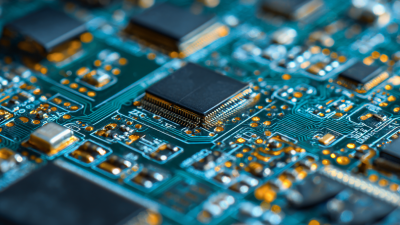
Key components of a PCB in DC fast chargers include power transistors, capacitors, and connectors. Power transistors manage high voltage levels and control current flow. Capacitors store energy and filter voltage spikes. Connectors provide secure links between various components, facilitating smooth operation. Without these elements, chargers can face downtime or even failure.
Designing a PCB is not without challenges. Engineers must carefully consider size, heat dissipation, and electromagnetic interference. Balancing performance with cost is often tricky. Sometimes, prototype boards reveal flaws that require redesigning, leading to delays. It’s a complex process that demands constant learning and adaptation.
Manufacturing Process of PCBs for Automotive Fast Charging Systems
The manufacturing process of PCBs for automotive fast charging systems is intricate. It begins with the selection of high-quality materials like FR4 PCB. This material offers a good balance between performance and cost. Cutting the FR4 PCB to size follows this step, ensuring accurate dimensions for fitting into charging equipment.
Next, a layer of copper is adhered to the board. This layer forms the circuit pathways required for electrical connections. The typical process involves using chemical etching to develop these pathways. However, flaws can occur, such as uneven etching, which may lead to performance issues. Identifying these flaws early is crucial to avoid complications down the line.
The final steps include solder mask application and silkscreen printing. These protect the circuits and offer labeling, respectively. Though this stage may seem straightforward, mistakes can happen. Misalignment in printing can impact functionality. Thus, inspections are vital at every stage of the assembly process. Reflection on these practices can lead to better efficiency and product reliability in the future.
Importance of PCB Design for Safety and Efficiency in Charging
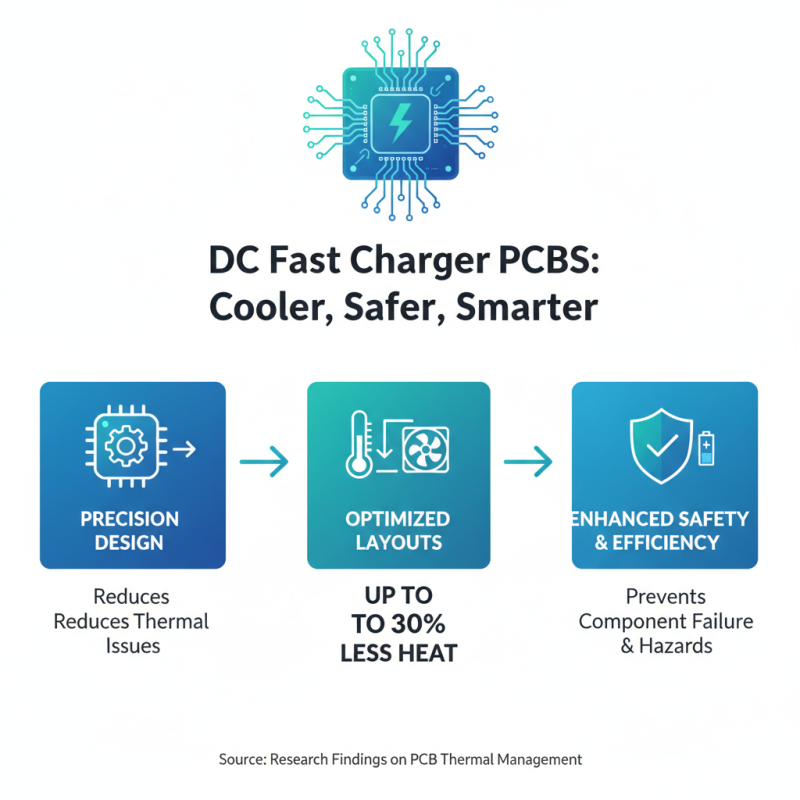
The design of PCBs (Printed Circuit Boards) in DC fast chargers is crucial. Safety and efficiency depend on the precision of these designs. Research indicates that proper PCB layouts can reduce thermal issues by up to 30%. This is important as heat can lead to component failure and safety hazards.
Rough estimates show that 50% of charging failures stem from poor PCB design. A well-structured PCB can handle higher frequencies, especially with Rf Pcb (Radio Frequency Pcb) technology. This is vital to ensure fast charging without overheating. The use of multi-layered designs helps distribute heat more evenly, enhancing safety.
In terms of efficiency, optimized PCB design can boost energy transmission by approximately 20%. This improvement directly impacts the user's experience. However, poor materials or design flaws can lead to inefficiencies. Balancing cost and performance in PCB materials is often challenging. Addressing these issues is essential for innovation in the electric vehicle charging industry.
Challenges in the Development of PCBs for DC Fast Chargers
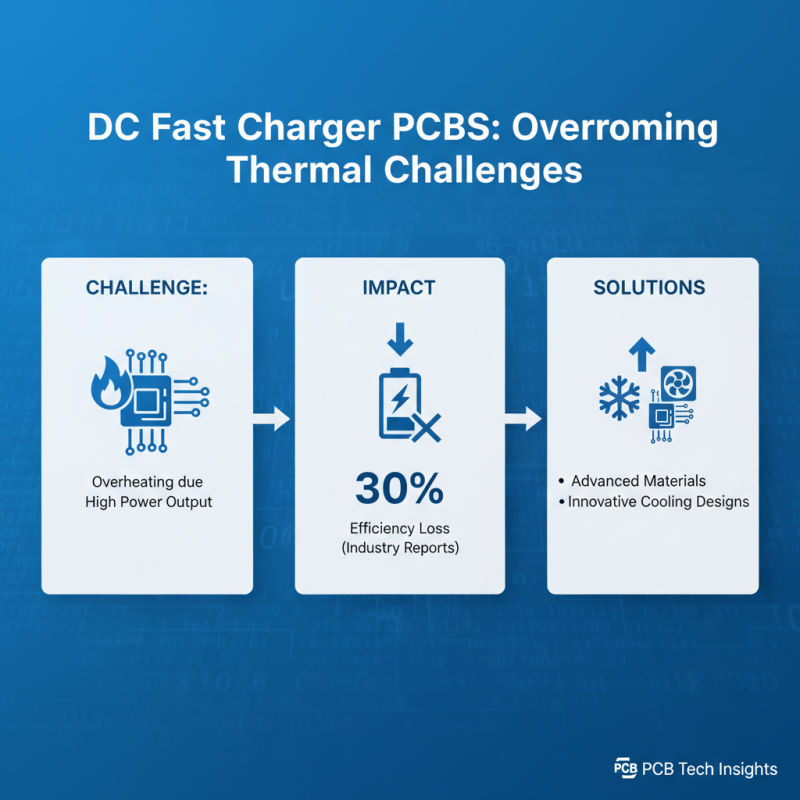
The development of printed circuit boards (PCBs) for DC fast chargers presents several challenges. One major issue is thermal management. Effective heat dissipation is critical, as the high power output can lead to overheating. According to industry reports, overheating can decrease a charger's efficiency by as much as 30%. This necessitates innovative designs that include advanced materials and cooling techniques.
Another challenge is the high-frequency response required for efficient operation. High-frequency PCBs must minimize signal loss and interference. Understanding what is the difference between a high-frequency PCB and a regular PCB is essential here. High-frequency PCBs often use special dielectric materials, impacting their performance significantly. Traditional materials may not support the frequencies required for quick charging.
Tips: Choose materials carefully. They should handle both high frequency and thermal conductivity. Regular testing is vital to ensure reliability in various conditions. Pay attention to layout design, which affects performance. Each aspect plays a role in the overall efficiency of the charger. Small errors can lead to significant functional issues, which need continuous evaluation.
Future Trends in PCB Technology for Electric Vehicle Charging Solutions
The growth of electric vehicles (EVs) is changing the landscape of charging solutions. PCBs play a crucial role in DC fast chargers. They connect components and handle electrical signals efficiently. As battery sizes increase, the demand for advanced PCBs rises too. Reports suggest PCB technology in EV chargers is expected to grow significantly by 2026.
Hf Pcb (High-Frequency Pcb) technology is gaining traction. These PCBs offer better signal integrity and thermal management. They can support higher power densities. This is vital for fast charging stations that require quick energy transfers. The market for Hf Pcb is projected to expand rapidly. Industry analysts predict a compound annual growth rate (CAGR) of over 10%.
Tips: Consider the thermal limits of materials when designing PCBs. Additionally, look for ways to improve signal routing. It’s essential to stay updated on emerging trends in PCB technology. Adopting innovative materials can enhance performance. Remember, every detail in PCB design can impact the efficiency of charging systems.
What is PCB for DC Fast Chargers and Why is it Important?
| Dimension |
Details |
| Functionality |
PCBs in DC fast chargers manage power distribution and signal integrity. |
| Materials |
Typically made from FR-4 or high-temperature laminates for durability. |
| Thermal Management |
Designed to dissipate heat effectively to avoid failure during high power loads. |
| Size and Weight |
Compact design for lightweight and efficient integration into EV charging stations. |
| Future Trends |
Increasing use of AI and IoT for smarter energy management in charging systems. |
| Regulatory Compliance |
Must comply with international safety and environmental standards. |
| Cost Factors |
Cost considerations include materials, manufacturing processes, and quality control. |
Innovative Performance: Exploring the Benefits of 6-Layer High-Frequency Hybrid Pressing PCBs with Rogers RO4350B
In the rapidly evolving landscape of electronic applications, the demand for reliable and high-performance printed circuit boards (PCBs) is at an all-time high. The innovative 6-layer high-frequency hybrid pressing PCB merges advanced materials to achieve outstanding performance, making it particularly suitable for cutting-edge industries such as telecommunications, satellite navigation, and medical technology. By utilizing a combination of high-frequency materials, this PCB excels in maintaining signal integrity, providing engineers with a powerful tool for the most demanding applications.
One of the standout features of this PCB design is its precise impedance control, which significantly reduces signal distortion and loss. This critical characteristic is essential for applications that necessitate unwavering performance in complex environments. The high-quality surface finish not only enhances corrosion resistance but also ensures exceptional solderability, facilitating reliable component installation. Furthermore, the PCB is engineered with advanced via treatment techniques and robust construction, which guarantee exceptional durability and reliability in high-stakes scenarios where performance cannot be compromised.
As industries drive towards increasingly sophisticated electronic solutions, this 6-layer high-frequency hybrid pressing PCB stands out as a vital component for achieving the desired operational excellence and longevity. Its versatility and advanced engineering make it an ideal choice for applications that push the boundaries of technology and demand the utmost in reliability and performance.
FAQS
: Always check the ingredients. Allergies can be a concern. Consider your skin type as well.
Research local disposal guidelines. Don’t just throw them away. Look for recycling options.
Stop using it immediately. Rinse the area with water. Consult a medical professional if needed.
Sharing can be risky. Bacteria transfer is a concern. It's better to keep personal items separate.
Check for expiration dates. Products can lose effectiveness. Replace them regularly to ensure results.
Mixing can change effectiveness. Some ingredients may react badly. Test a small area first.
Look it up online. Reviews can be helpful. Sometimes, reaching out to the seller works too.
Not necessarily. Natural doesn’t mean safe for everyone. Always test first, even with organic items.
Look for changes in your skin over time. Document your routine, and notice any improvements.
Yes, it's common to rethink decisions. Reflecting can lead to better choices. Listen to your body’s responses.
Conclusion
PCBs, or Printed Circuit Boards, play a crucial role in the operation of DC fast chargers by providing the necessary electronic connectivity and supporting components for efficient energy transfer. In the context of DC fast chargers, PCBs are essential for managing high voltage and current levels while ensuring safety and reliability. The design and manufacturing process of these PCBs is tailored specifically for automotive fast charging systems, focusing on key components such as resistors, capacitors, and connectors that optimize performance.
As the demand for electric vehicle charging solutions grows, the importance of effective PCB design becomes increasingly evident. It not only impacts the overall efficiency of the charging process but also addresses safety concerns. However, the development of PCBs for DC fast chargers faces challenges, including thermal management and miniaturization. Future trends indicate a continued evolution in PCB technology, aimed at enhancing the capabilities and performance of electric vehicle charging infrastructure.