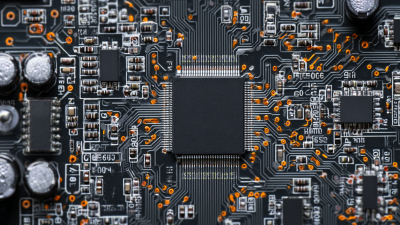
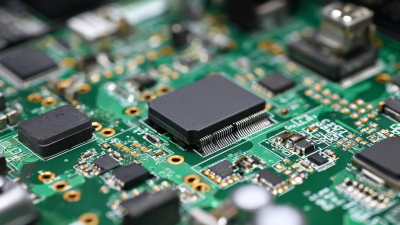
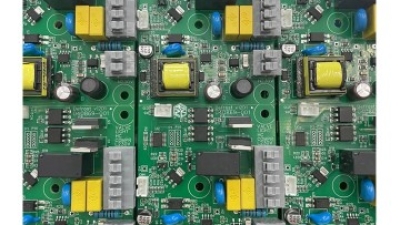
Technology's rapid pace has totally reshaped the world of modern electronic devices, and
Smt Electronic Components are right there in the thick of things.
Just looking at the latest market reports, it’s clear how important this sector is—
guaranteed to keep growing at over 5% annually from 2023 to 2028,
thanks mostly to the booming demand for small, efficient gadgets.
Shenzhen Rich Full Joy Electronics Co., Ltd.
stands out as a high-tech innovator, really playing a key role in this lively industry.
By blending deep expertise with fresh ideas, our company not only fuels China’s thriving
electronics scene but also helps nurture groundbreaking new technologies.
Knowing how vital Smt Electronic Components are can really help businesses stay ahead of the curve—
especially when it comes to miniaturization and boosting efficiency—paving the way for the
next generation of electronic devices.
The Basics of SMT Components in Modern Electronics
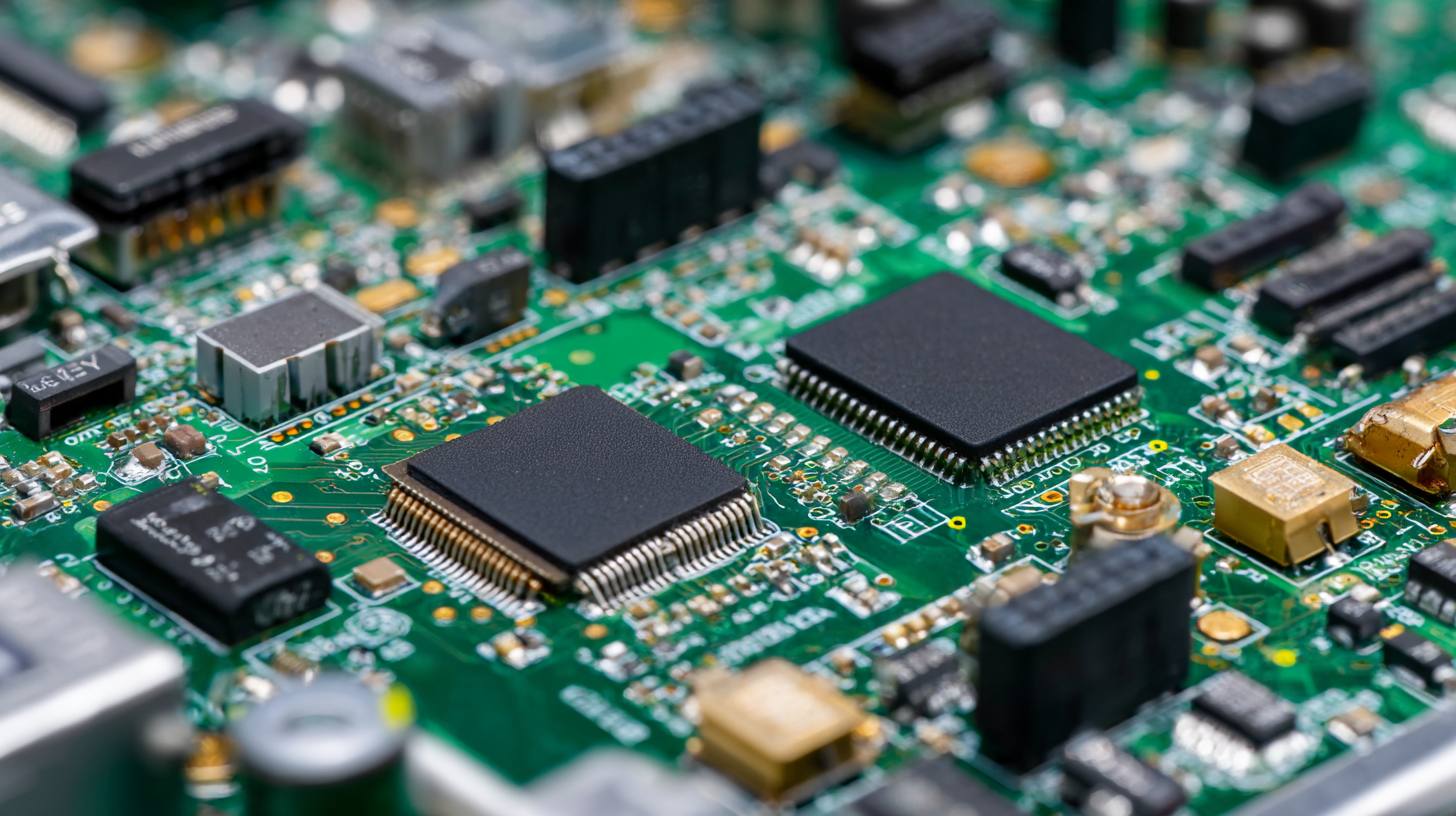
Surface Mount Technology, or SMT for short, has really changed the game in the world of modern electronics. Instead of bulky, traditional through-hole parts, SMT offers a much more compact and efficient way to build circuits. It’s kind of crazy to think that, according to a report from ResearchAndMarkets, the global SMT market is expected to hit around $14 billion by 2025. And the main driver? The growing demand for tiny electronic gadgets we use every day. Things like smartphones, smart cars, and IoT devices — all of these need to save space, making SMT perfect.
What’s cool about SMT components is they let manufacturers pack more circuit elements into a smaller area. That means devices can perform better and do more without hiking up costs too much. Plus, using SMT in manufacturing helps speed things up — less assembly time, higher yields, and, honestly, it just makes life easier for factories all around the world. In fact, a recent poll showed that about 75% of electronics producers are already on board with SMT techniques to make their products better.
A couple of handy tips: when you’re laying out your PCB, try to place the bigger components first. That way, you’ll have better space for the smaller SMT parts later on. And, if you can, using automated assembly methods can make your life a lot easier — less room for mistakes and more efficiency overall. Lastly, don’t forget to think about the trade-offs between component size and thermal performance, especially for your specific project — sometimes, a tiny thing may not handle heat as well as you’d like.
Key Advantages of Using SMT Technology in Device Design
Surface Mount Technology, or SMT for short, has really changed the game when it comes to designing and making modern electronic gadgets. One of the coolest things about SMT is how much it helps shrink down the size of those tiny components. Unlike the old-school through-hole parts that had to go through holes on the board, SMT parts sit right on the surface of the printed circuit boards. This makes layouts way more compact. And honestly, this miniaturization thing is a big reason why we’re seeing sleeker, lighter devices—perfect if you’re into portable tech and just want stuff that’s easy to carry around.
Plus, SMT isn’t just about making things smaller; it actually boosts production efficiency too. Most of the placement work is automated now, which really speeds everything up—less time, more products. The components tend to perform better as well, with cool perks like better heat management and, overall, more reliability since they sit closer to the surface. All these perks together mean manufacturing costs drop quite a bit, and that’s super important for companies trying to keep up in today’s fast-moving tech world. As gadgets keep getting smarter and more complex, SMT is definitely going to keep playing a major role in shaping what’s next.
Understanding the Role of SMT Electronic Components in Modern Electronic Devices - Key Advantages of Using SMT Technology in Device Design
| Advantage |
Description |
Impact on Design |
| Space Efficiency |
SMT components are smaller and take up less space compared to traditional through-hole components. |
Enables more compact designs and enhances portability of electronic devices. |
| Faster Assembly |
SMT allows for automated assembly processes, reducing production time significantly. |
Accelerates time-to-market for new products. |
| Improved Electrical Performance |
Shorter electrical pathways reduce signal losses and improve overall circuit performance. |
Enhances functionality and efficiency of electronic devices. |
| Cost-Effectiveness |
Reduction in material and labor costs due to the use of smaller components and automated assembly. |
Lower production costs contribute to competitive pricing of end products. |
| Greater Reliability |
SMT components have fewer mechanical stresses and improved thermal management. |
Increases longevity and reliability of devices in various operating conditions. |
Common Types of SMT Electronic Components and Their Applications
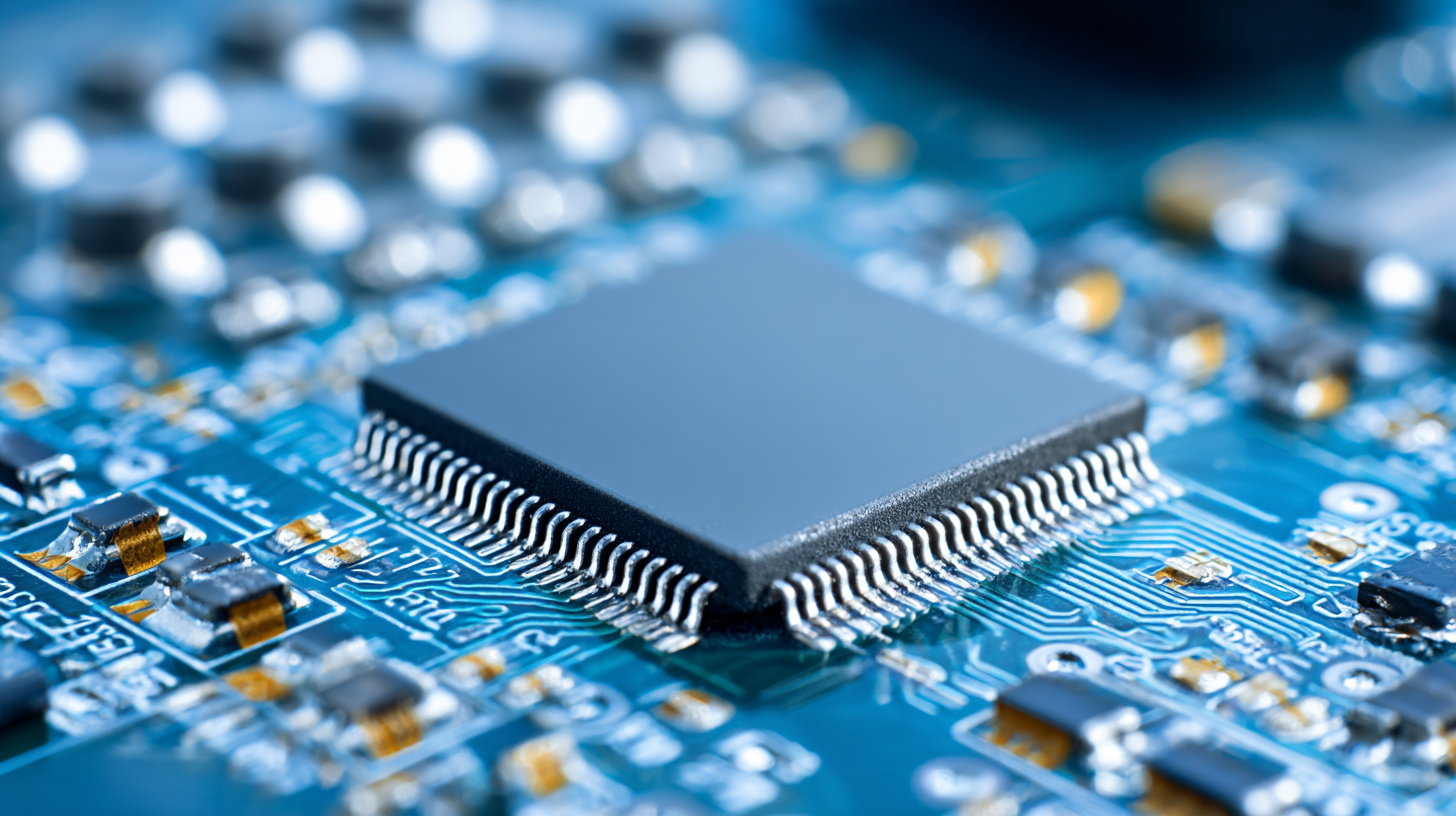 You know, Surface Mount Technology (SMT) has really become a game-changer when it comes to building modern electronic gadgets. It's what makes it possible to efficiently place all sorts of electronic parts onto printed circuit boards – stuff like resistors, capacitors, inductors, and integrated circuits. These tiny components are pretty much the backbone of smartphones, laptops, and other tech gear. Thanks to SMT, devices can be smaller and sleeker without sacrificing performance.
As tech keeps advancing, you'll notice that artificial intelligence and machine learning are starting to play a bigger role in the SMT world. They help process huge amounts of data super quickly, which speeds up how components are placed on the boards. For example, those water-resistant USB-C connectors — they’re a type of SMT component designed to be tough and stand up against moisture, protecting the device from water-related damage.
A couple of tips: When you're choosing SMT parts, don’t forget to think about their heat tolerance and mechanical strength — that’s key to ensuring your device keeps working well over time. Also, using automated pick-and-place machines really boosts production speed and accuracy. Ultimately, paying attention to quality during the component selection stage is what’s going to make your gadgets more reliable and last longer.
Best Practices for Integrating SMT Components into Electronic Circuits
Surface Mount Technology (SMT) parts have really changed the game in modern electronics, making circuits more compact and efficient to put together.
From what the IPC’s 2021 International Technology Roadmap says, the use of SMT in manufacturing has jumped over over 50% in just the last ten years. That’s a huge boost, helping makers pack more into smaller spaces and get better performance out of their devices. But, let’s be honest, successfully working with SMT isn’t just plug and play — it needs some best practices to avoid issues that could mess with how well the circuit works or how reliable it is.
One important tip is making sure your solder joints are solid by paying close attention to pad design and using the right soldering techniques. Picking the right solder paste is also a big deal—if you match it to your specific components, it can really make a difference in how well the joints hold up. A report from the Industry Association for Technology in Electronic Manufacturing (IATEM) points out that using the wrong soldering methods can bump up component failures by about 30% within the first year—that’s a lot! Plus, managing heat properly during assembly is crucial; too much heat can actually damage those delicate SMT parts.
Sticking to the temperature profiles recommended by the component makers can help your final product last longer and stay reliable. Following these simple but important practices not only boosts your device’s performance but also keeps you in line with industry standards, giving you an edge in the super competitive world of electronics.
Future Trends in SMT Technology and Their Impact on Electronics
The world of Surface Mount Technology (or SMT for short) is changing pretty fast these days, thanks to a string of big leaps in electronic parts and manufacturing methods. I recently came across a SEMI report that predicts global semiconductor equipment shipments are gonna jump by about 24% compared to last year, by the time we hit the second quarter of 2025 — that's a huge increase, reaching around $33 billion! This surge really highlights how much more in demand SMT components are becoming. These parts are super important because they help make electronic devices smaller and more compact, and honestly, this trend isn’t slowing down anytime soon. Just looking at wrapped surface mount inductors alone, the market is expected to grow from about $1.2 billion in 2024 to nearly $1.7 billion in 2032 — that's a steady compound annual growth rate of roughly 4.33%. Crazy, right?
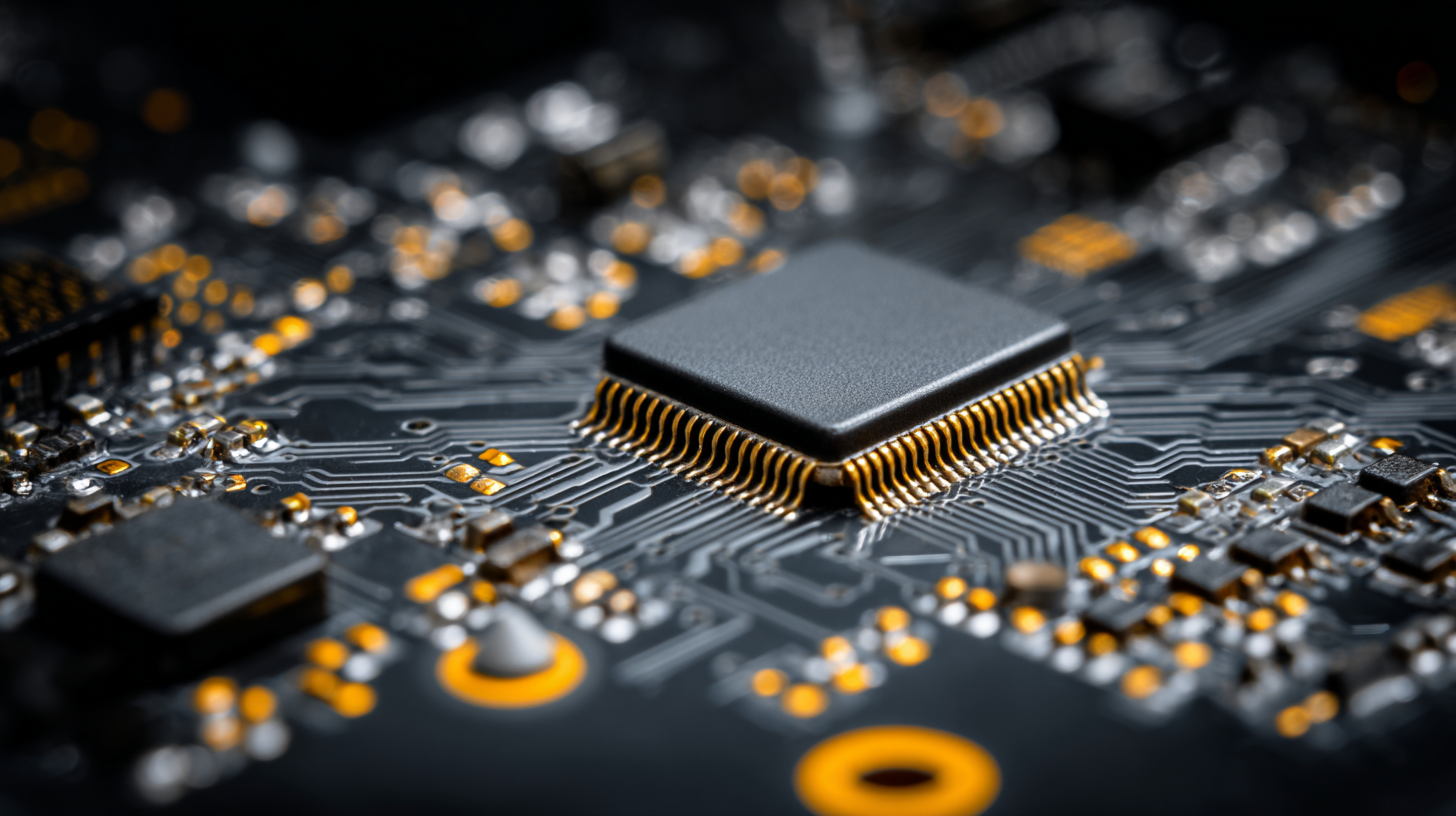
And it’s not just big companies driving things forward. Emerging players like Shenzhen Rich Full Joy Electronics Co., Ltd. are really pushing the envelope here. They’re a high-tech enterprise that’s all about innovation to stay competitive in this fast-moving industry. Plus, as smarter tech keeps creeping into SMT processes, the industry is seeing some pretty revolutionary changes. For example, the development of more advanced microelectronic welding materials is helping companies handle more complex assembly tasks—think semiconductor packaging and precision connections—making the whole production chain more efficient and productive overall.
Challenges and Solutions in Working with SMT Components
Surface Mount Technology, or SMT components, has really become a must-have in today's electronic gadgets, mainly because they're so compact and efficient. But, honestly, working with these tiny parts isn’t all smooth sailing—it comes with its own set of challenges. For starters, placing and soldering them with precision is a big deal. Their small size makes misalignments pretty common, and that can cause electrical problems or just poor overall performance in the device. That's why getting the initial setup just right and doing thorough quality checks are super important in manufacturing.
Then there's the thermal side of things. SMT components can get pretty warm during operation, and that heat can affect neighboring parts or even the whole device’s longevity. Without proper heat management, gadgets might overheat, which can drastically reduce their lifespan or cause failures. To tackle this, designers often incorporate good thermal pathways on the PCBs and add heat sinks when needed. Plus, using advanced soldering techniques and the right materials helps enhance both the electrical and thermal performance of SMT assemblies. All of this ensures that our modern electronics keep running smoothly and reliably, no matter where or how we use them.
Maximizing Safety and Efficiency in Lift Systems: Insights from Recent Market Reports on Premium SMT & DIP Elevator Power Control PCBA
The importance of safety and efficiency in lift systems cannot be overstated, especially in today’s rapidly advancing technological landscape. Recent market reports shed light on the critical role of premium SMT & DIP Elevator Power Control PCBA in enhancing these aspects. Specifically designed for elevator systems, our newly introduced power control PCBA reflects China's remarkable innovation and manufacturing capabilities. With a rich heritage in electronics manufacturing, the quality and performance of this PCBA are unparalleled, setting a new standard within the industry.
The PCB fabrication process showcases China’s leading technical expertise, employing advanced photolithography technology that achieves exceptionally fine circuit lines. This precision is vital for reducing circuit resistance and ensuring power transmission efficiency, thus enhancing the reliable operation of elevator power control modules. Furthermore, during the PCB assembly phase, state-of-the-art automated machines achieve sub-micron level positioning accuracy. These machines meticulously place various electronic components, optimizing operational speeds while maintaining the integrity of each solder joint through intelligent reflow and wave soldering techniques.
Our elevator power control PCBA stands out not only for its high performance but also for its resilience in challenging environments. It effectively manages power distribution in complex conditions, including high humidity and significant electromagnetic interference, ensuring that lift systems operate safely and efficiently. As we continue to push the boundaries of elevator technology, the advancements in our PCBA will play a pivotal role in shaping the future of lift systems.
FAQS
: SMT is a method where electronic components are mounted directly onto the surface of printed circuit boards (PCBs). This allows for a more compact layout, reducing the size of electronic components, and enabling the development of lighter, slimmer devices that cater to consumer demand for portability.
The automated placement of SMT components streamlines the assembly process, resulting in faster production times and increased output. This efficiency, combined with improved performance characteristics of SMT components, leads to significant cost reductions in manufacturing.
According to a SEMI report, global semiconductor equipment shipments are expected to increase by 24% year-over-year, reaching $33.07 billion by the second quarter of 2025, indicating robust demand for SMT components.
The integration of smart technologies into SMT processes, along with a focus on efficiency and precision, is driving transformative changes in electronic manufacturing. Companies are also adapting to the complexity of microelectronic welding materials for advanced applications.
Key challenges include the precision required for placement and soldering due to the small size of SMT components, which increases the risk of misalignment, and thermal management concerns, where heat generated can affect device reliability.
Solutions involve designing PCBs with adequate thermal pathways, using heat sinks, and employing advanced soldering techniques and materials to enhance thermal and electrical performance.
SMT allows for reduced component size, enabling more compact device designs. This differs significantly from traditional through-hole technology, which typically requires more space, making SMT a preferred choice for modern electronic devices.
SMT components generally have better thermal management and reliability due to their lower profile, which helps reduce manufacturing costs and improve overall device longevity in various applications.
Emerging companies like Shenzhen Rich Full Joy Electronics Co., Ltd. are at the forefront, utilizing innovation to enhance electronic manufacturing capabilities and stay competitive in the industry.
The market for wrapped surface mount inductors is expected to grow from $1.2 billion in 2024 to $1.685 billion by 2032, reflecting a compound annual growth rate of 4.33%.
Conclusion
SMT electronic components are pretty much the backbone of modern electronic gadgets, helping to make devices smaller, sleeker, and more efficient. If you get the hang of how SMT technology works, you'll see quickly why it’s become the go-to for many designers—fewer parts, better performance, and all that. In this article, we'll check out some common types of SMT components and how they're used in different applications, plus share some tips for smoothly integrating them into circuit boards.
Looking ahead, there are some exciting trends in SMT that could make future devices even smarter and more capable. Of course, there are challenges along the way, but companies like Shenzhen Rich Full Joy Electronics Co., Ltd. are really pushing the envelope—mixing expertise with innovation to stay ahead in this fast-moving tech world.