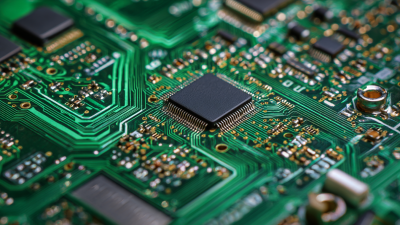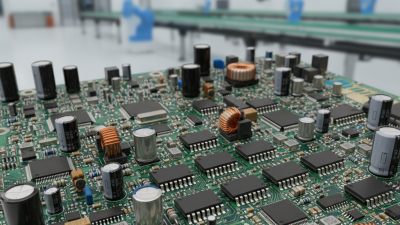
The automotive electronics scene is growing super quickly right now. By 2027, experts say the market for automotive PCBs will hit around $19 billion—that's pretty huge! As cars are getting more and more electrified, dealing with heat becomes a big deal. This is exactly why ‘Thermal Management PCBs for Automotive Electronics’ are so important—they keep things running smoothly and safely.
High-powered electronic parts tend to generate quite a bit of heat, and if it’s not managed well, they could end up getting damaged. For example, too much heat can actually cause a PCB to fail. Some reports even say that poor thermal management can cut the lifespan of electronic components in half—that’s a big deal. Innovators like Infineon Technologies have been working on cool new ways to tackle these challenges.
But, let’s face it, designing good thermal management solutions isn’t exactly easy. There’s often a tricky balance between boosting performance and keeping heat in check. Engineers have to carefully think about what materials to use, how to lay everything out, and what kind of cooling techniques will work best. Modern automotive systems are pretty complex, which means some aspects can easily be overlooked. Finding the right sweet spot for thermal management boards is an ongoing challenge—something that takes constant innovation and a bit of trial and error.
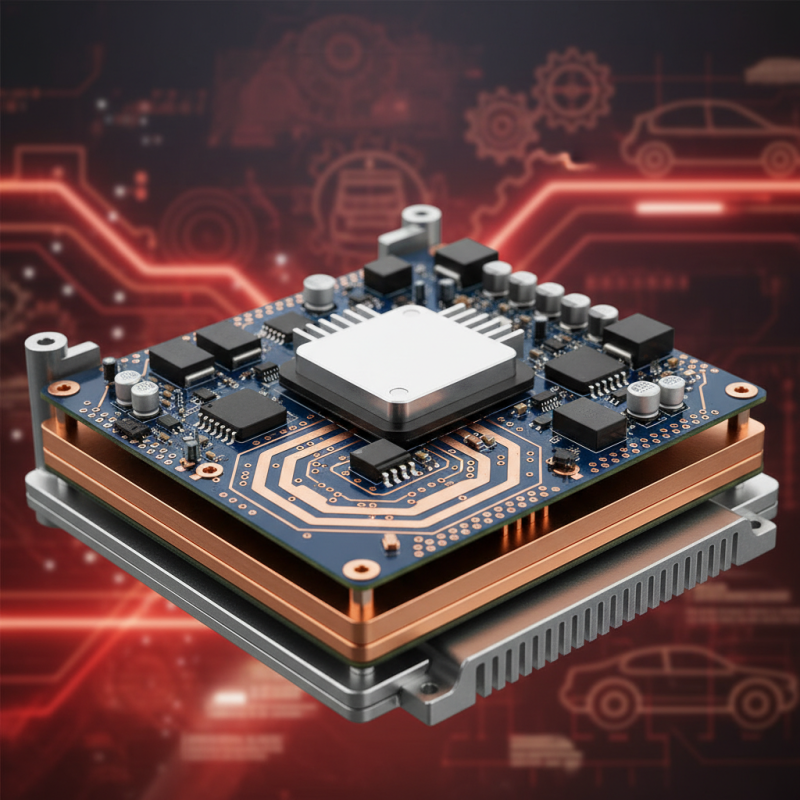
Thermal management PCB is crucial in automotive electronics. It helps manage heat generated by electronic components. In vehicles, high temperatures can cause failures. According to a recent industry report, around 30% of electronic failures in cars stem from thermal issues. This highlights the need for effective thermal solutions.
Thermal management PCBs utilize materials and designs that dissipate heat effectively. These boards may incorporate copper heat sinks or thermal vias. This helps to spread heat away from critical components. A report from a major research firm indicates that with proper thermal management, the lifespan of automotive electronics can increase by 20%. However, many manufacturers still struggle with implementing these designs efficiently.
Not all thermal management techniques are perfect. For instance, some approaches may introduce manufacturing complexity. Others can increase costs unnecessarily. In a fast-paced automotive industry, balancing performance and expense remains a challenge. Proper education and awareness in thermal management can drive improvements. The automotive sector must prioritize innovation in heat management solutions to ensure reliability.
Thermal management is crucial for automotive applications. As electric vehicles gain traction, the need for effective thermal control has soared. Overheating components can decrease efficiency and lead to failures. A report by Research and Markets predicts that the automotive thermal management system market will reach $61.4 billion by 2027, indicating significant investments in this area.
Effective Thermal Management in PCBs helps maintain optimal operating temperatures. Temperature fluctuations can impact the performance of electronic components. A study by Yole Développement highlights that improper heat dissipation can reduce a component's lifespan by up to 50%. This emphasizes the necessity for efficient thermal management in PCBs. Robust designs can help avoid potential mishaps that could disrupt vehicle safety.
Moreover, many manufacturers struggle with optimizing thermal management in their designs. Balancing weight and performance can be challenging. Poor thermal designs may lead to wasted energy and increased costs. The automotive industry must reflect on these challenges to improve future solutions. Addressing these issues will enhance vehicle longevity and efficiency.
| Application Area | Temperature Range (°C) | Thermal Interface Material (TIM) | Thermal Management Strategy | Impact on Reliability |
|---|---|---|---|---|
| Power Electronics | -40 to 125 | Thermal Grease | Active Cooling | High |
| Battery Management Systems | -30 to 85 | Phase Change Materials | Passive Cooling | Medium |
| Electric Motors | -40 to 150 | Thermal Pads | Liquid Cooling | Very High |
| Sensors and Control Units | -40 to 125 | Thermal Adhesive | Heat Sinking | Medium |
| Infotainment Systems | -20 to 105 | Thermal Conductive Tapes | Natural Convection | Low |
Thermal management in automotive PCBs is critical. High temperatures can affect the performance and durability of electrical components. Effective design requires careful consideration of materials and layout.
Key components include heat sinks, thermal vias, and thermal interface materials. Heat sinks dissipate excess heat away from sensitive electronics. Thermal vias connect heat-generating components to heat sinks. Using high-conductivity materials enhances heat transfer.
Tips for design: Monitor component placement closely. Ensure thermal paths are clear. Use simulation tools to predict thermal performance. Overlooking these aspects can lead to failures. Testing prototypes in varying conditions helps identify weaknesses early.
Incorporating strategies from Thermal management in medical devices can also be beneficial. Both fields share similar challenges in heat dissipation. Analyzing successes in one domain can inspire improvements in another. Reflecting on past designs fosters innovation and enhances overall effectiveness.
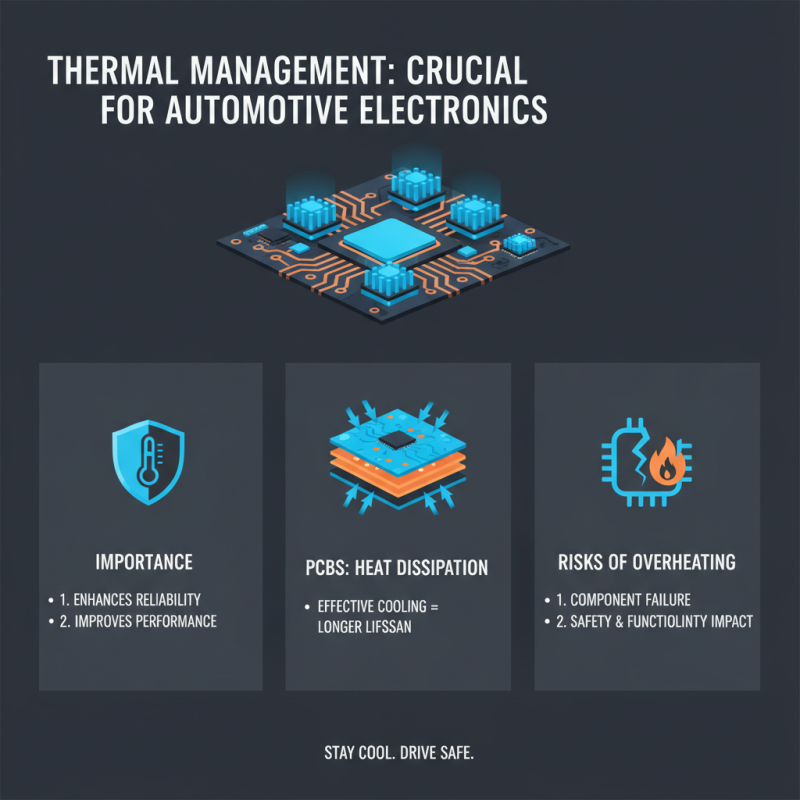
Thermal management is crucial for automotive electronics. Effective thermal dissipation in printed circuit boards (PCBs) enhances reliability and performance. High temperatures can lead to component failure, impacting safety and functionality.
One common technique is the use of heat sinks. These metal structures dissipate heat away from hot components. They can be integrated into the PCB design, but the placement must be strategic. Poor positioning may lead to hotspots, undermining the whole system.
Another method involves thermal vias. These are small holes that allow heat to move from one layer of the PCB to another. By connecting layers, they help distribute heat evenly. However, using too many vias can complicate manufacturing and increase costs.
Tips: Always consider the thermal load during design. Have a clear understanding of component placement. Regular thermal imaging tests can identify potential problem areas early.
Thermal Management in automotive electronics faces significant challenges. The rise of electric vehicles demands effective heat dissipation solutions. Reports indicate that integrating efficient thermal management systems can improve the lifespan of electronic components by up to 35%. Yet, achieving optimal performance necessitates careful design considerations.
Many automotive systems operate in extreme conditions. Heat generated during operation can exceed acceptable limits. A study showed that inadequate thermal management can lead to component failures in 40% of cases. Maintaining ideal temperatures is crucial for electronic reliability and safety. Engineers must innovate to enhance cooling solutions.
Tip: Consider using thermal interface materials to improve heat transfer. These materials can bridge gaps between components effectively.
Challenges also arise from varying materials used in automotive designs. Different thermal conductivities can complicate management efforts. The ongoing shift towards lightweight structures means engineers must be creative. Finding a balance between weight reduction and heat dissipation remains a critical hurdle.
Tip: Regular thermal testing during the design phase can catch potential issues early. Conducting simulations can help predict thermal behaviors reliably.
Thermal management in automotive electronics is rapidly evolving. As vehicles become more sophisticated, effective thermal solutions are critical. These systems help control temperature, which is vital for performance and longevity. New materials and designs offer exciting possibilities for managing heat in compact spaces.
Two emerging technologies are particularly noteworthy. First, advanced heat sinks made from innovative composites are being developed. These materials are not only lightweight but also provide excellent thermal conductivity. They can be shaped to fit various components, optimizing airflow. This flexibility might enhance the overall thermal performance of the vehicle.
Second, the use of liquid cooling systems is gaining traction. These systems can efficiently manage heat from high-performance electronics. However, they come with installation challenges. Integrating liquid cooling into existing designs can be complex. Engineers must rethink layouts to accommodate these systems. Improvements in this area could lead to better energy efficiency and reduced electronic failures.
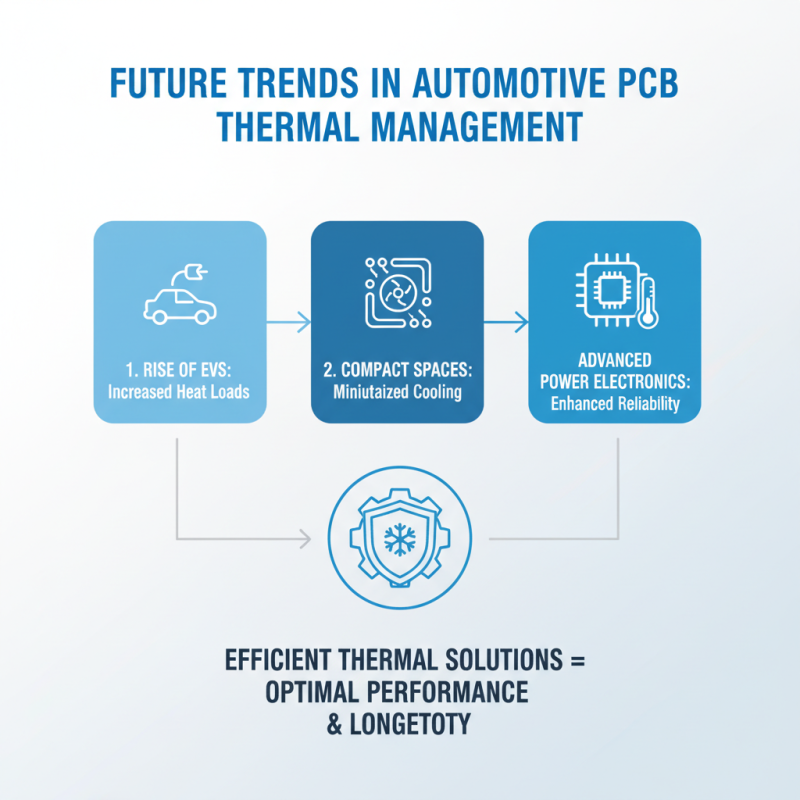
Future trends in thermal management for automotive PCBs are critical as vehicles become more sophisticated. The rise of electric vehicles demands efficient thermal solutions. These solutions must minimize heat buildup in compact spaces. As power electronics continue to advance, managing heat is paramount for reliability.
New materials are being explored to enhance thermal conductivity. Innovations like metal matrix composites show promise. They can improve heat dissipation significantly. However, the integration of these materials into existing designs presents challenges. The transition from traditional materials to advanced composites requires careful planning and testing. ODM PCBA Thermal Cycle Test plays a vital role here. It ensures that designs can withstand real-world conditions over time.
As we delve into smart technologies, thermal management systems will evolve. Adaptive thermal management could become commonplace. Systems might adjust automatically based on temperature readings. However, this requires more research and development. The industry is still learning about the long-term effects on components. Future designs must balance performance, cost, and sustainability. It’s clear that overcoming these hurdles is essential for progress.
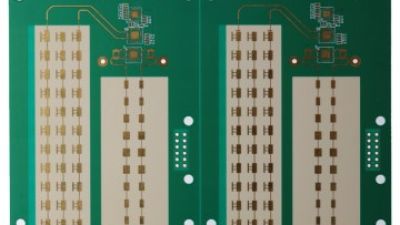
As modern vehicle technologies evolve, the demand for highly efficient and precise automotive radar systems has surged. The innovative applications of Rogers Microwave RF technology, particularly through the utilization of high-frequency radar boards such as Rogers RO3003™, play a crucial role in enhancing vehicle safety and automated driving features. The introduction of sophisticated radar systems facilitates functionalities like adaptive cruise control, collision avoidance, and blind-spot detection, significantly improving overall road safety.
Research indicates that the global automotive radar market is projected to surpass $20 billion by 2025, driven by the escalating need for advanced driver assistance systems (ADAS). The high-frequency Rogers RO3003™ PCB offers exceptional dielectric properties, supporting frequencies that enhance radar range and resolution. This capability is essential for ensuring vehicles can accurately detect and respond to their environments, paving the way for the widespread adoption of autonomous vehicles.
Furthermore, as automotive manufacturers strive to meet stringent safety regulations and consumer expectations, the integration of innovative radar technologies is no longer optional but essential. The reliability and performance of radar systems significantly hinge on the materials used in their construction. Rogers Microwave RF products not only provide the necessary performance characteristics but also ensure longevity and robustness under operational stresses, thereby meeting the industry's growing demands for quality and reliability in vehicle technologies.
: Assess your specific requirements. Consider factors like features, usability, and your budget. Read reviews to gain insights.
Contact customer support immediately. Be ready to provide photos and describe the damage. They will guide you through the return process.
It depends on the order status. If it hasn’t shipped yet, you may cancel it. Act quickly to ensure cancellation.
Shipping times vary based on location and method. Generally, it takes 3 to 7 business days. Check tracking for updates.
Once your order ships, you will receive a tracking number via email. Use this number on the courier's website to track.
Most items can be returned within a specified period. Ensure they are unused and in original packaging. Check the exact timeframe.
Some returns may incur shipping fees. Always review the return policy. It's best to keep this in mind before purchasing.
You can leave a review on the website. Feedback forms may also be available. Your input helps improve services.
Use the "Forgot Password" option on the login page. Follow the instructions sent to your email to reset it.
Changes may be possible if the order hasn’t shipped. Contact support as soon as possible to request a change.
Thermal Management PCB for Automotive Electronics plays a crucial role in ensuring the reliability and efficiency of electronic systems in vehicles. With the increasing complexity of automotive applications, effective thermal management becomes essential to prevent overheating and maintain performance. Key components of a Thermal Management PCB design include heat sinks, thermal vias, and robust materials that can withstand high temperatures.
Various techniques such as airflow optimization, heat spreading, and phase change materials are employed to facilitate effective thermal dissipation. However, challenges such as space constraints, weight restrictions, and the evolving demands of electric vehicles require innovative solutions. Emerging technologies, including advanced materials and cooling methods, promise to enhance thermal management capabilities. As the automotive industry continues to innovate, the future trends in Thermal Management PCB for Automotive Electronics will likely focus on integrating smarter systems that prioritize efficiency and performance.