In the fast-changing world of electronics, picking the right PCB is more important than ever. Lately, Rigid-Flex PCBs have been gaining a lot of attention and are becoming a go-to choice for a bunch of different projects. I remember talking to John Smith over at Advanced Circuits — he’s pretty much an industry guru — and he said, "Rigid-Flex PCBs give you incredible flexibility and durability, especially for complex designs." That pretty much sums up why these circuits are such a hot topic right now.
So, what’s the deal with Rigid-Flex PCBs? Well, they’re a bit of a perfect blend — they combine the ruggedness of rigid boards with the bendability of flexible ones. This means you can pack things tighter and create more compact setups that work in tricky spaces. But, honestly, designing these boards isn’t always a walk in the park; they require some serious expertise. A lot of designers still stumble when trying to understand all the ins and outs of this tech, and messing up can cause issues that might hurt performance or lead to costly rework.
Getting the right expertise is super important here. Sure, Rigid-Flex boards can last longer and handle more stress, but if you don't know what you’re doing, you might end up with a design disaster. Picking a manufacturer that knows their stuff is key — otherwise, you risk wasting time and money. With a bit of careful planning and the right knowledge, Rigid-Flex PCBs can really take your project to the next level. And honestly, they open up all sorts of cool possibilities for innovative, space-saving designs—that’s pretty exciting stuff for anyone into this field.
Benefits of Rigid-Flex PCBs in Modern Electronics Design
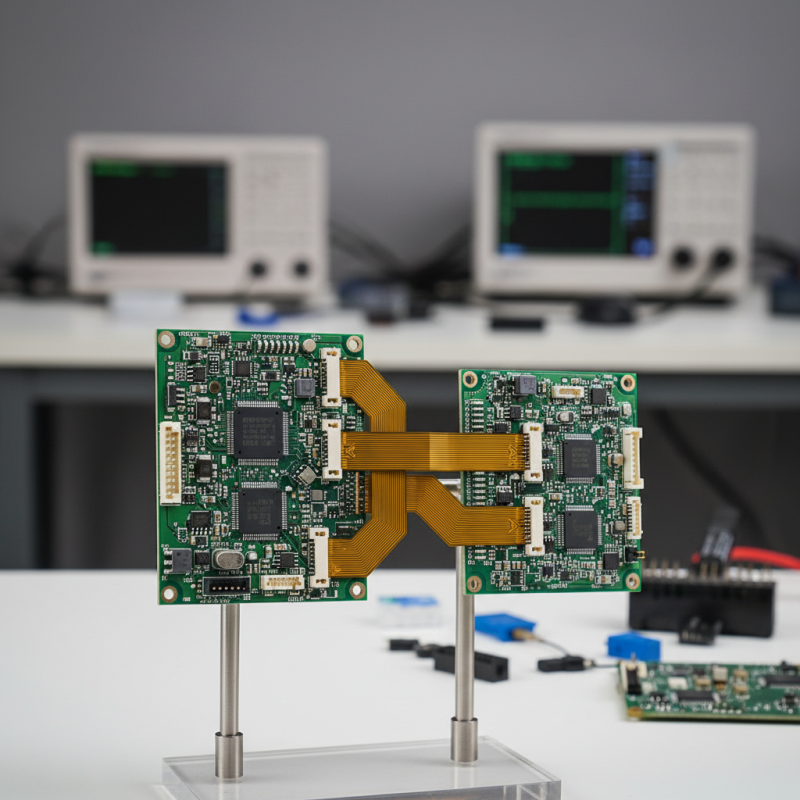
Rigid-flex PCBs have gained popularity in modern electronics design. Their unique structure combines rigid and flexible materials. This allows for greater design freedom and compact layouts.
Engineers often choose rigid-flex for complex applications. They are ideal for devices that require bending or folding.
One significant advantage of rigid-flex PCBs is their durability. Unlike traditional PCBs, they resist mechanical stress better. This makes them suitable for harsh environments. Additionally, they can reduce assembly time. Fewer parts mean fewer connections. This leads to improved reliability.
Tips: Consider the design complexity before selecting materials. Proper thermal management is crucial. Evaluate if the project can benefit from flexibility. Always prototype to identify potential issues. Each application has unique challenges. Embrace the learning curve in your project.
Cost-Effectiveness: Comparing Rigid-Flex vs. Traditional PCBs
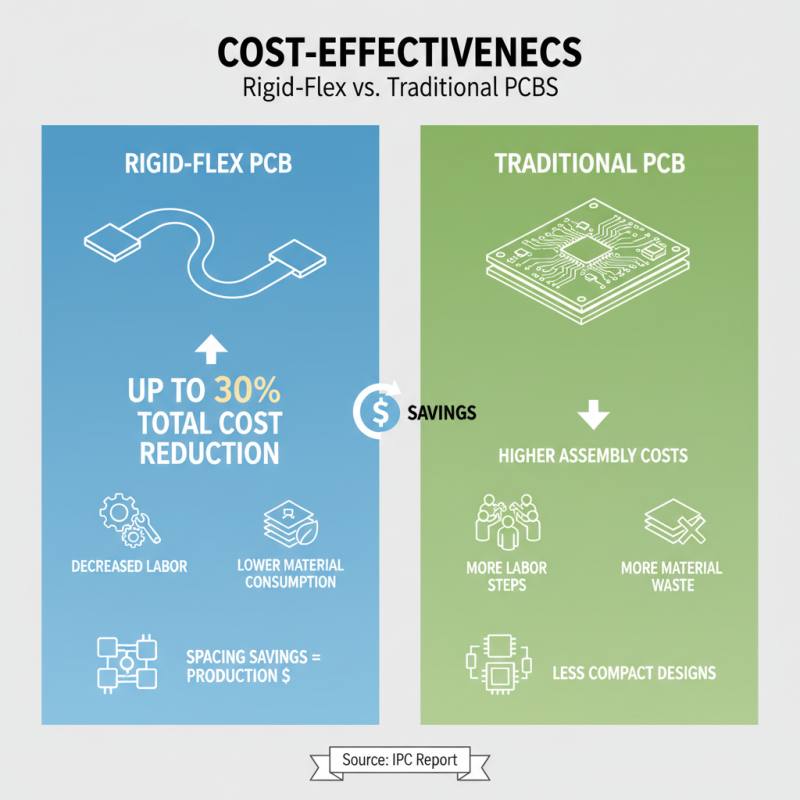
Rigid-flex printed circuit boards (PCBs) have gained traction in recent years due to their unique advantages over traditional PCBs. One significant aspect is their cost-effectiveness. A report from IPC indicates that rigid-flex boards can reduce total assembly costs by up to 30% compared to conventional rigid designs. This stems from decreased labor costs and lower material consumption. As industries lean towards compact electronic designs, rigid-flex PCBs allow spacing savings, which leads to further cost reduction in production.
However, the decision between rigid-flex and traditional PCBs isn't always straightforward. Rigid-flex boards often require a higher upfront investment in manufacturing and may have longer lead times. The complexity of their design can increase engineering costs. A study from Research and Markets shows that nearly 25% of engineers experience challenges in the initial design stages of rigid-flex PCBs. Despite their advantages, manufacturers must weigh these factors carefully against the needs of their specific projects.
Moreover, while rigid-flex offers flexibility and compactness, achieving optimal performance can be tricky. Issues like thermal management and stress points must be diligently addressed. Engineers have reported that a lack of experience with rigid-flex designs can lead to costly mistakes, emphasizing the importance of thorough planning and testing. While rigid-flex technology is advancing, companies need to ensure proper training to mitigate these risks effectively.
Design Flexibility: Unique Applications for Rigid-Flex PCBs
Rigid-flex PCBs offer a unique design flexibility that is crucial for specific applications. They combine the advantages of both rigid and flexible circuits. This hybrid approach makes them suitable for compact devices. The ability to bend and twist without compromising functionality attracts engineers in various fields.
Applications like wearable technology and portable medical devices greatly benefit from Pcb Rigid Flex designs. These PCBs can fit into tight spaces while maintaining reliability. However, designing these circuits demands careful consideration. The materials and layering require expertise. Mistakes in the design process can lead to costly failures and delays.
Beyond the tech aspect, the aesthetic design benefits from rigid-flex PCBs. Their ability to conform to complex shapes enhances product appeal. Still, this flexibility also raises questions about long-term durability. In some cases, unexpected wear can occur. Therefore, engineers must evaluate both the benefits and potential drawbacks with precision. Understanding these nuances is essential for achieving project goals with PCB rigid flex technology.
Advantages of Rigid-Flex PCBs in Unique Applications
The bar chart above illustrates the importance levels of various advantages of Rigid-Flex PCBs in unique applications, highlighting design flexibility as the most critical factor.
Space-Saving Advantages of Rigid-Flex PCBs in Compact Products
As electronic devices continue to shrink, manufacturers face a challenge: fitting complex circuitry into limited space. Rigid-Flex PCB technology offers a compelling solution. This type integrates rigid and flexible circuits into a single board, optimizing both performance and space. In fact, studies show that
Rigid Flex Pcb can reduce assembly space by up to 60%. This is an impressive feat for compact products like smartphones and wearables.
The consolidation of components leads to lighter and thinner designs. For instance, the use of Rigid-Flex PCBs allows designers to eliminate connectors and cables, which often take up precious space. A 2019 industry report indicated that manufacturers could potentially decrease overall product size by 30% by utilizing these boards. This makes Rigid-Flex PCBs invaluable for industries like aerospace, where weight is a critical factor.
Yet, with these advantages come challenges. Designing Rigid-Flex PCB requires expertise in material selection and layout. Mistakes in design can lead to costly errors in production. Additionally, not all applications are suitable for Rigid-Flex technology. Understanding the right applications is crucial. Despite these hurdles, firms that can embrace this technology stand to gain significant benefits in product performance and market competitiveness.
Durability and Reliability: Key Focus for Rigid-Flex PCB Materials
When it comes to durability, Rigid-Flex PCBs stand out in the electronics industry. These materials combine both rigid and flexible components, offering resilience that traditional PCBs cannot match. According to a report by IPC, about 80% of Rigid-Flex designs exhibit improved performance in dynamic environments. This is crucial for applications where movement or vibration is expected. The robust design can withstand higher thermal and mechanical stress, reducing failure rates in the field.
Reliability is another cornerstone of Rigid-Flex PCB materials. In a survey conducted by the IEEE, over 70% of engineers reported fewer field failures when using Rigid-Flex designs, compared to standard PCBs. This reliability stems from their construction, which minimizes solder joint fatigue. By merging layers effectively, Rigid-Flex PCB fabrication creates a unified structure. This eliminates weak spots that can lead to breakdowns in performance.
However, challenges remain in the production process. The complexity of Rigid-Flex fabrication can lead to higher costs. Design intricacies may require specialized equipment or materials. Manufacturers must also be cautious about production tolerances. A small misalignment can compromise durability. Continuous innovation in this area might offer solutions to these hurdles. Balancing quality and cost is an ongoing conversation among engineers and designers.
Market Trends: Growing Adoption of Rigid-Flex PCB Technology
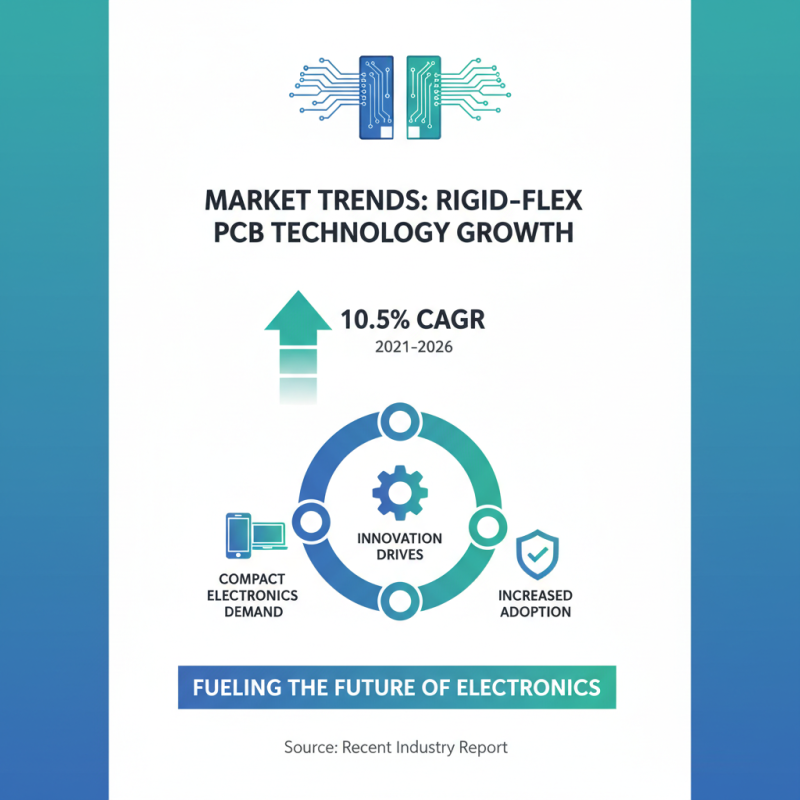
The rise of rigid-flex PCB technology is driven by evolving market needs. According to a recent industry report, the global market for rigid-flex PCBs is expected to grow at a compound annual growth rate (CAGR) of 10.5% from 2021 to 2026. This growth is fueled by an increased demand for compact electronic devices. Companies are focusing on innovation to stay competitive, making Pcb Flex Rigid an attractive option.
Reliability is crucial in sectors such as aerospace and medical devices. Rigid-flex PCBs offer better performance and reduced assembly complexity. A survey found that 65% of manufacturers noted improved product reliability with rigid-flex designs. However, the technology comes with challenges, including higher initial costs and design complexity. It's essential to weigh these factors against potential long-term benefits.
The trend is not just in consumer electronics. Industries such as automotive are also adopting rigid-flex technology. This shift allows for greater design freedom and enhanced functionality in space-constrained applications. However, companies must continuously evaluate their design approaches to avoid common pitfalls. Adapting to rigid-flex technology may require a mindset shift and additional training for design teams. Overall, the landscape for rigid-flex PCBs is evolving rapidly, presenting both opportunities and challenges for manufacturers.
Environmental Impact: Assessing Sustainability in PCB Production
Rigid-Flex PCBs are gaining attention for their sustainable production processes. As electronic waste becomes a growing concern, selecting sustainable materials is crucial. Reports indicate that the PCB industry is responsible for about 30% of electronic waste globally. The environmental impact of traditional PCBs can be significant, particularly in harmful chemicals used during production.
Consider the energy consumption in PCB manufacturing. A study shows rigid-flex varieties can save up to 30% in energy compared to conventional PCBs. This reduction is vital as the industry looks to lower its carbon footprint. Additionally, using recyclable materials can lead to less waste. Companies are now investing in bio-based substrates which can degrade more efficiently.
Tip: Explore suppliers that prioritize eco-friendly manufacturing processes. Choosing green options can enhance your project’s sustainability profile.
Reflect on sourcing decisions. Not all rigid-flex PCBs are created equal. Some may still rely on harmful substances. Investigate certifications and test reports. Ensuring compliance with standards like RoHS is essential for sustainability. Balancing performance with environmental responsibility is a challenge. Yet, with increased awareness, better solutions are emerging.
FAQS
: Rigid-Flex PCBs combine rigid and flexible materials for electronics design. They enable compact layouts and design versatility.
They offer durability and resist mechanical stress. This makes them ideal for use in harsh environments.
They integrate rigid and flexible circuits into one board. This can reduce assembly space by up to 60%.
Industries like aerospace and consumer electronics use them. They help create lighter, thinner devices.
Design complexity and thermal management are crucial. Prototyping helps identify potential issues early on.
Yes, mistakes in design can lead to costly errors. Not all applications suit this technology. Understanding the right use is important.
Yes, fewer components reduce connections. This leads to improved reliability and less risk of failures.
They require expertise in material selection and layout. Poor choices can result in design flaws.
Embrace the learning curve. Each project has unique challenges that may arise.
Always prototype and test the designs thoroughly. Understanding the application will guide better decisions.
Conclusion
Rigid-Flex PCBs are becoming increasingly popular in modern electronics design due to their numerous advantages. These versatile circuit boards combine the benefits of rigid and flexible components, allowing for innovative and compact designs. They stand out for their cost-effectiveness, especially when compared to traditional PCBs, as they can reduce assembly time and materials, ultimately lowering production costs.
Furthermore, the design flexibility offered by Rigid-Flex PCBs opens up unique applications across various industries, facilitating space-saving solutions in compact products. Their durability and reliability make them a favored choice for demanding environments. As the market trends indicate a growing adoption of Rigid-Flex PCB technology, it is essential to consider the environmental impact of their production, emphasizing the importance of sustainability in PCB manufacturing.