When it comes to PCB manufacturing, industry insiders are buzzing about the big trends headed our way by 2026. I was reading what John Smith, a top expert at Circuit Innovations, had to say—he really nailed it when he mentioned, “The future of PCB manufacturing is all about being adaptable and riding the wave of technological change.” His insights highlight how critical it is for manufacturers to adopt new techniques, like Hdi Pcb Manufacturing. Honestly, this method’s popularity is booming because it allows for super compact and efficient designs—kind of a game-changer.
Looking ahead, sustainability is becoming a big deal in the PCB world. More companies are experimenting with eco-friendly materials and greener production methods. It’s not just a passing trend—going green is pretty much essential if you want your business to stick around long-term. That said, it’s not always smooth sailing. Many manufacturers are finding it tough to juggle innovation with eco-conscious practices—technology’s advancing fast, but it comes with its own set of challenges.
And let’s not forget the workforce. As PCB tech gets more high-tech, there’s a real skill gap forming. We need more trained folks who can keep up with all these rapid changes. That means investment in training and development, no question. If we don’t do that, the industry might not reach its full potential. Sure, there are hurdles ahead, but honestly, it’s an exciting time full of change and new opportunities for PCB manufacturing—a real rollercoaster, but a promising one.
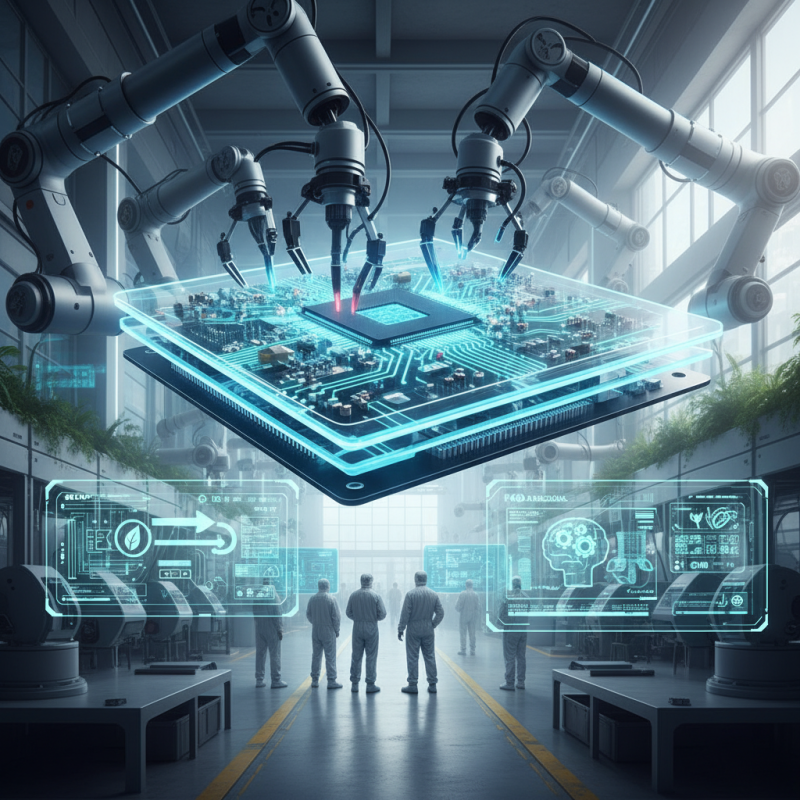
As we look toward 2026, several emerging technologies are reshaping PCB manufacturing. One significant trend is the adoption of additive manufacturing techniques. This approach allows for more intricate designs and reduces material waste. The precision of 3D printing also enables faster prototyping. However, implementing these technologies may present challenges, particularly in terms of integration with existing systems.
Another important development is the rise of environmentally friendly materials. Manufacturers are increasingly exploring biodegradable substrates and non-toxic inks. These materials cater to growing consumer demand for sustainability. There’s a learning curve associated with these alternatives. Companies need to balance performance and eco-friendliness to remain competitive in the market.
AI and automation are also critical components of future PCB manufacturing. Machine learning algorithms can optimize production processes. This not only boosts efficiency but also enhances quality control. Yet, the reliance on automated systems raises concerns about job displacement. Striking a balance between innovation and human involvement will be essential. As these trends unfold, the PCB industry will need to adapt and reflect on its practices to stay relevant.
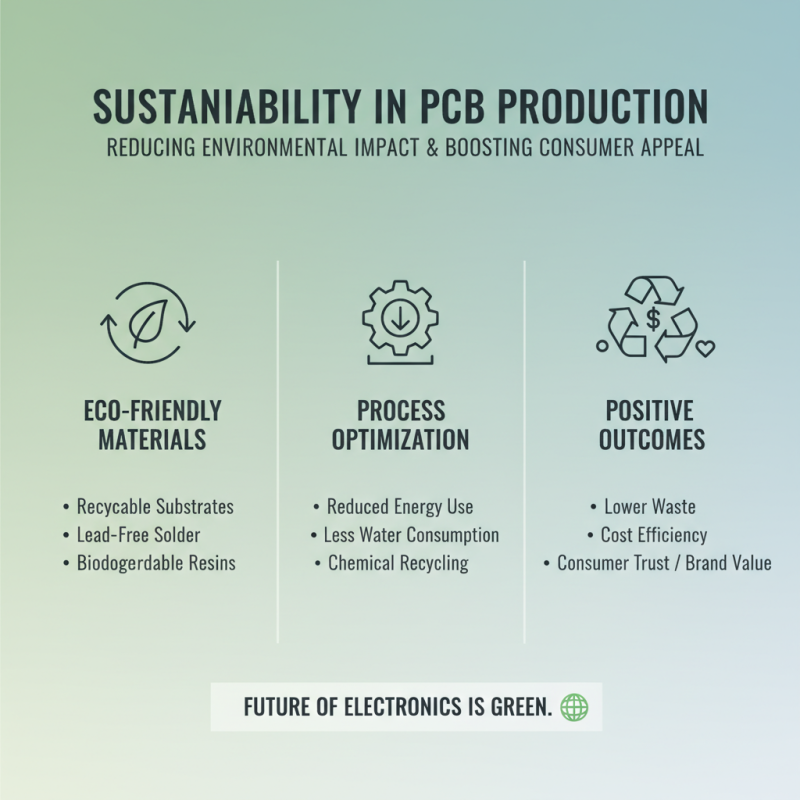
Sustainability in PCB production is becoming increasingly vital. Manufacturers are recognizing the need to reduce waste and energy consumption. New techniques focus on eco-friendly materials and processes. This shift not only benefits the environment but also appeals to consumers.
Many companies are adopting water-based instead of solvent-based processes. This change minimizes harmful emissions and helps in achieving compliance with environmental regulations. However, transitioning to sustainable practices can be challenging. It requires upfront investment and employee training. The effectiveness of these practices is still a topic for discussion.
Recycling is another area gaining traction in PCB manufacturing. Reusing materials can significantly lower production costs. Yet, not all facilities have established efficient recycling systems. The industry still has a long way to go. Many manufacturers must reflect on the real impact of their practices. Balancing profitability with sustainability remains a critical challenge.
Advancements in PCB materials are reshaping the landscape of electronics. As industries evolve, the demand for high-performance materials continues to rise. Researchers are focusing on flexible substrates and enhanced thermal management solutions. For instance, a recent report indicates that flexible PCB market growth could reach 14% annually by 2026. This surge stresses the need for innovation in material science.
The use of advanced composites is increasing in Pcb Manufacturing Australia. These materials offer improved durability and performance under extreme conditions. Companies can benefit from exploring these options to enhance product reliability. Consider copper-clad laminates that not only reduce weight but also increase thermal efficiency. Investing in R&D for material exploration can yield unexpected positive outcomes.
In addition to these advancements, sustainability remains a priority. Biodegradable materials and eco-friendly processes are gaining traction. Transitioning to these alternatives may seem challenging, yet the industry's long-term success hinges on these choices. Engaging in regular assessments of material efficacy can ensure that companies stay ahead of the curve. Exploring new materials requires collaboration across disciplines for better outcomes.
This bar chart illustrates the adoption rates of various PCB manufacturing trends projected for 2026, including Hybrid PCBs, Flexible PCBs, and Eco-Friendly Materials, highlighting their increasing importance in modern electronics production.
Automation and AI are reshaping PCB manufacturing processes significantly. In 2026, manufacturers are adopting advanced automation tools. These tools streamline production, reducing human error. AI algorithms analyze data to enhance decision-making in real-time. This results in better quality control and increased efficiency.
In Pcb Manufacturing Canada, the integration of these technologies is crucial. Automation allows for quicker setups and fewer delays. However, some challenges still exist. Workers may need retraining to work alongside advanced systems. The shift can lead to job displacement concerns. Balancing automation with human expertise is necessary for success.
AI-driven analytics provide invaluable insights. They help predict equipment failures before they occur. This predictive maintenance can minimize downtime. Yet, reliance on AI also raises questions about cybersecurity. Securing sensitive data is more important than ever. It's a delicate dance between innovation and protection in PCB manufacturing.
The landscape of PCB manufacturing is evolving rapidly. Market dynamics are shaped by technology advancements and shifting demands. Increased miniaturization and complexity in electronics are pushing manufacturers to innovate continuously. The rise of IoT devices and the push for sustainability are key factors driving this change. They demand more efficient production methods and eco-friendly materials.
Many companies are looking toward automation and smart manufacturing. These strategies enhance productivity and reduce human error. However, integrating these technologies is not always straightforward. Challenges can include high upfront costs and the need for new skills. Careful planning is necessary to harness these advancements effectively.
Tips: Embrace training programs for your team. This helps in adapting to new technologies. Regularly assess your production processes for inefficiencies. Investing in research and collaboration can lead to breakthroughs. Stay informed on emerging trends in
Pcb Manufacturing Europe. It’s essential for staying competitive in this rapidly changing market.
The global supply chain landscape is evolving rapidly, impacting PCB manufacturing. According to market research, the PCB industry is projected to reach $81 billion by 2026, influenced by changes in supply chain dynamics. Disruptions caused by geopolitical tensions and pandemic-related delays continue to challenge manufacturers. They must adapt to fluctuations in material costs and availability.
Amid these changes, companies are shifting towards local sourcing. Nearshoring practices are becoming essential to mitigate risks. Manufacturers are prioritizing suppliers closer to their operations to enhance reliability. This shift not only reduces lead times but also minimizes shipping costs. A 2022 report indicates that over 50% of manufacturers plan to invest in local partnerships within the next three years.
Tips: Regularly evaluate your supply chain for potential vulnerabilities. Develop contingency plans to address unforeseen disruptions. Engage with multiple suppliers to enhance flexibility. Such proactive measures can make a significant difference in maintaining production efficiency amid market volatility. Balancing cost and quality remains a challenging but essential task for manufacturers in this changing landscape.
| Trend | Description | Impact on Manufacturing | Expected Growth Rate (%) |
|---|---|---|---|
| Automation | Increased use of robotics and AI in PCB assembly. | Higher efficiency and reduced labor costs. | 15% |
| Sustainability | Focus on environmentally friendly materials and processes. | Compliance with regulations and improved brand reputation. | 20% |
| Miniaturization | Trends towards smaller and more compact PCB designs. | Higher demand for advanced manufacturing techniques. | 10% |
| Digital Twin Technology | Utilizing digital replicas for design and manufacturing simulations. | Improved accuracy and faster turnaround times. | 12% |
| Supply Chain Resilience | Strategies to mitigate risks related to material shortages. | Stabilizing production and reducing costs. | 18% |
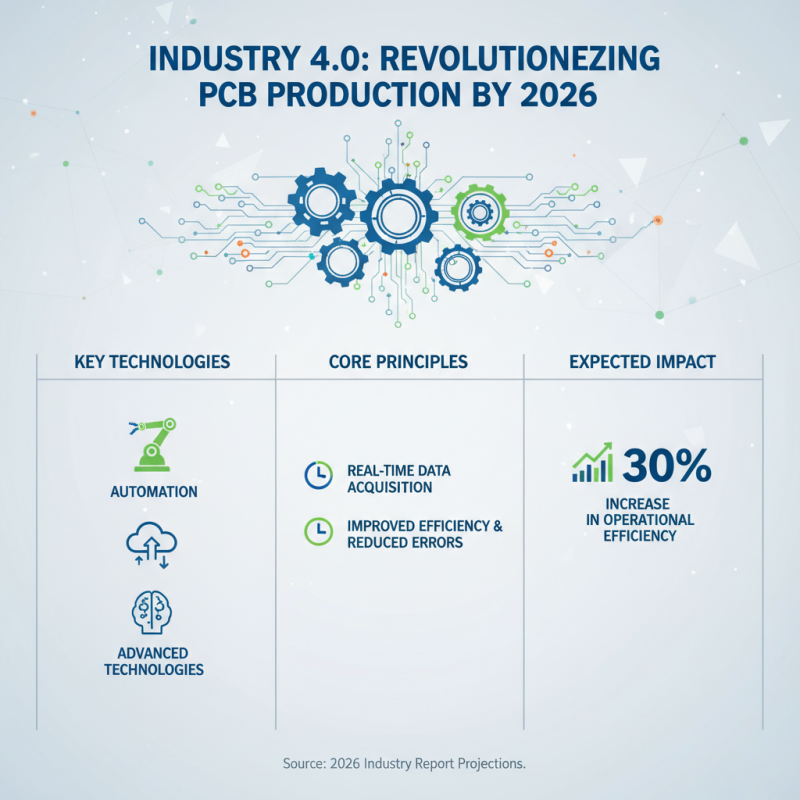
As we approach 2026, Industry 4.0 is set to revolutionize PCB manufacturing processes. Automation, data exchange, and advanced technologies will reshape production lines. This shift emphasizes real-time data acquisition, improving efficiency and reducing errors. For instance, companies with automated PCB processes report up to a 30% increase in operational efficiency.
However, most manufacturers struggle with adopting these technologies. The integration of AI and IoT devices often requires significant upfront investment. Studies suggest that about 55% of PCB producers face challenges in workforce training for these new systems. It’s crucial for companies to strategize their transition carefully.
**Tips:** Embrace small-scale automation projects first to gauge their effectiveness. Invest in training programs to ease the transition for your workforce. Regularly update your data systems to ensure compatibility with new technologies. Adapting to Industry 4.0 impacts Pcb manufacturing in Germany, where innovation is vital for global competitiveness. Balancing these advancements while maintaining traditional craftsmanship can be a delicate act, demanding both time and reflection.
The automotive industry is witnessing a transformative shift with the integration of advanced radar technologies, particularly in the realm of automobile PCBA OEM assembly. As vehicles increasingly rely on sophisticated sensors for safety and automation, radar systems have emerged as critical components. According to industry reports, the automotive radar market is projected to grow significantly, driven by the demand for enhanced driver assistance systems (ADAS).
Two prevalent types of automotive radars are millimeter-wave radar and ultrasonic radar. Millimeter-wave radar operates at frequencies of 24GHz or 77GHz, offering high resolution and long detection ranges. These attributes make them ideal for applications such as front and side collision avoidance systems. In contrast, ultrasonic radar is tailored for short-range detection, playing a pivotal role in parking assistance and preventing collisions in low-speed environments. The complementary nature of these technologies fosters a robust safety ecosystem within modern vehicles, emphasizing the importance of precision in their PCBA assembly processes.
The ongoing evolution of radar technology signifies a shift towards greater vehicle automation, with experts predictively linking this trend to a projected 25% increase in the use of radar systems in automobiles over the next five years. This surge will necessitate best practices in electronic manufacturing and assembly, ensuring that vehicle safety systems are not only reliable but also adept at functioning in real-time, diverse environments. As the automotive landscape adapts, the role of PCBA OEM assembly in delivering cutting-edge radar solutions remains paramount.
: Sustainability reduces waste and energy use. It also appeals to environmentally conscious consumers.
Water-based processes lower harmful emissions and help meet environmental regulations.
Transitioning requires initial investment, employee training, and can lead to ongoing discussions about effectiveness.
Recycling materials can significantly reduce production costs, but efficient systems are still lacking in many facilities.
Automation reduces human error and increases efficiency. It streamlines production processes for quicker setups.
Job displacement may occur, and workers may need retraining. Balancing automation with human skills is essential.
AI analyzes data for better decision-making, improving quality control and predicting equipment failures.
Increased reliance on AI raises issues of data security and protecting sensitive information from threats.
Embrace small automation projects first. Invest in workforce training to adapt to new technologies.
Balancing new technologies with traditional craftsmanship requires time and reflection for manufacturers.
As we look ahead to 2026, PCB manufacturing is set to be significantly influenced by various emerging technologies and sustainability practices. These advancements are reshaping production processes, with a focus on eco-friendly materials and methods that minimize environmental impact. Additionally, the integration of automation and artificial intelligence is streamlining manufacturing processes, enhancing efficiency and precision.
Market dynamics are also evolving, driving innovation in PCB manufacturing to meet rising demands across multiple sectors. The role of Industry 4.0 is pivotal, as it propels smart manufacturing practices and improves supply chain management globally. Understanding these trends is essential for stakeholders in the PCB industry to adapt and thrive in a rapidly changing landscape.