
Learn how to choose drone Electronic Speed Controllers (ESCs) to optimize power usage, stability and reliability. Engineer-approved selection guide for UAV applications.
Table of Contents
- Introduction: Why ESC Selection Impacts Your Entire Drone System
- Understand ESC Basics: Core Role in UAV Power Management
- Voltage & Current Ratings: Match Your Power System
- Protocols & Firmware Compatibility: Make It Smart
- Cooling, Protection, and Form Factor: Design for Reliability
- ESC Integration Tips: PCB & PCBA Best Practices
- Conclusion: Invest in the Right ESC, Avoid Costly Failures

Introduction: Why ESC Selection Impacts Your Entire Drone System
In drone engineering, Electronic Speed Controllers (ESCs) are not standalone accessories—they're central to system performance, stability, and energy efficiency. Selecting the wrong ESC can lead to overheating, desynchronization, motor damage, or even flight failure.
This guide helps B2B buyers, drone integrators, and technical teams understand the most critical selection factors for ESCs in UAV applications, based on actual engineering practice and production experience at Rich Full Joy, a global PCB and PCBA solution provider.
Understand ESC Basics: Core Role in UAV Power Management
An ESC controls the motor's speed, direction, and braking. It translates flight controller signals into current output for the motor. The ESC's quality directly affects:
- Motor synchronization
- Throttle response
- Thermal performance
- Battery drain rate
For multi-rotor drones, precision control and real-time response are crucial, especially in high-endurance or AI-assisted missions.
Voltage & Current Ratings: Match Your Power System
You must match the ESC to your battery and motor specs:
| Spec Type | Why It Matters | Recommendation |
|---|---|---|
| Voltage | Must match LiPo cell count | 3S–6S typical for hobby; up to 12S for industrial UAVs |
| Continuous Current | Determines stable operation under load | Add 20–30% safety margin |
| Burst Current | Handles temporary surges | Check datasheet for ≥10s burst rating |
Failing to size the ESC correctly often causes overheating, especially during aggressive maneuvers.
Protocols & Firmware Compatibility: Make It Smart
Modern ESCs support multiple protocols. For drone integration, these three are most common:
- PWM: Basic, legacy systems
- OneShot125 / OneShot42: Faster response for racing drones
- DShot: Digital protocol, eliminates calibration needs
Tip: Ensure your flight controller and ESCs share protocol compatibility (e.g., DShot600 + BLHeli32 firmware).
Cooling, Protection, and Form Factor: Design for Reliability
In high-load or long-flight systems, thermal design is critical.
- Built-in heat sink / copper planes: Improves heat dissipation
- Conformal coating: Moisture/dust resistance
- Current limiter / thermal cutoff: Avoids damage during anomalies
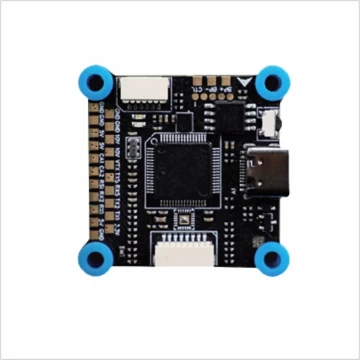
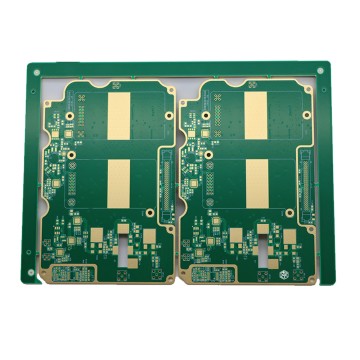
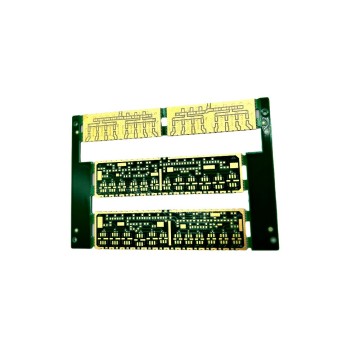
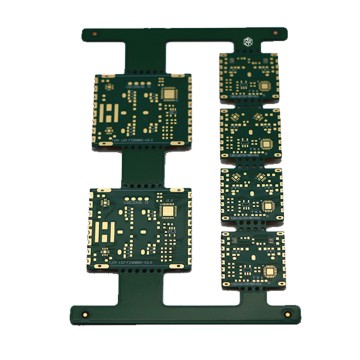
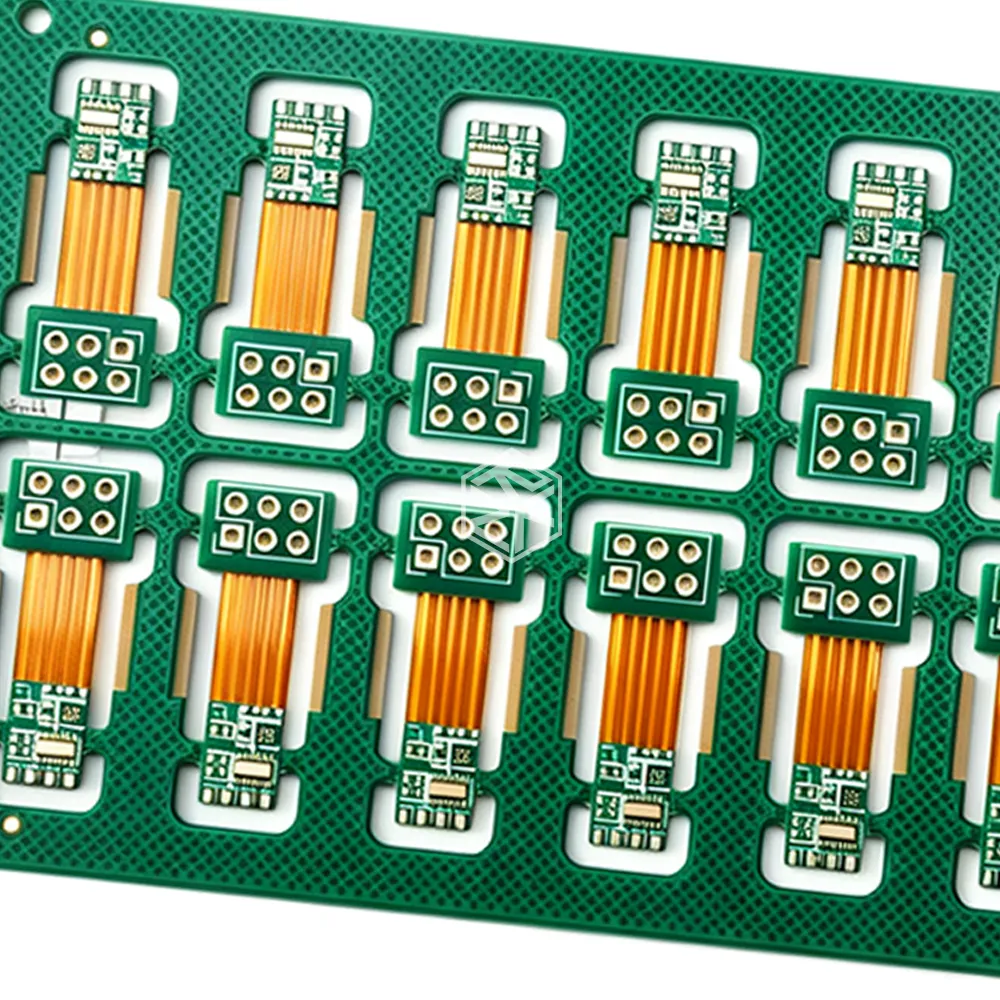
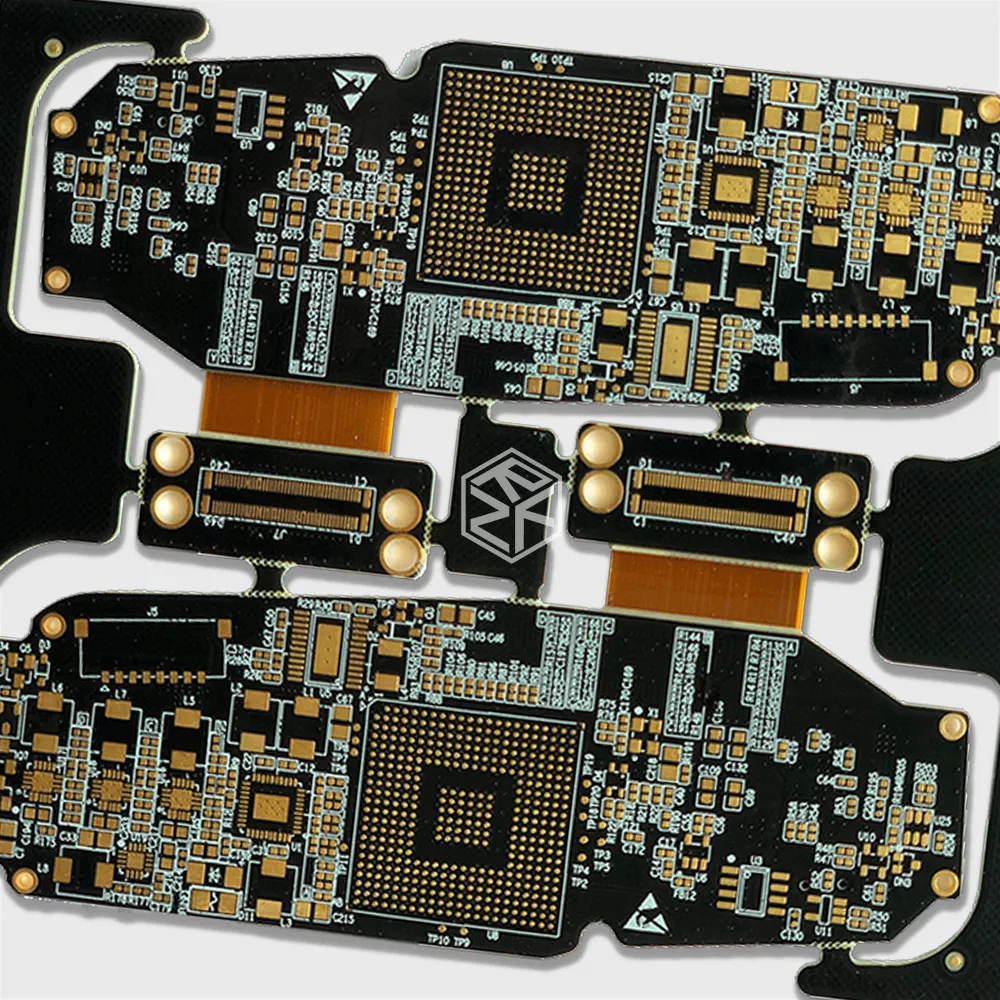
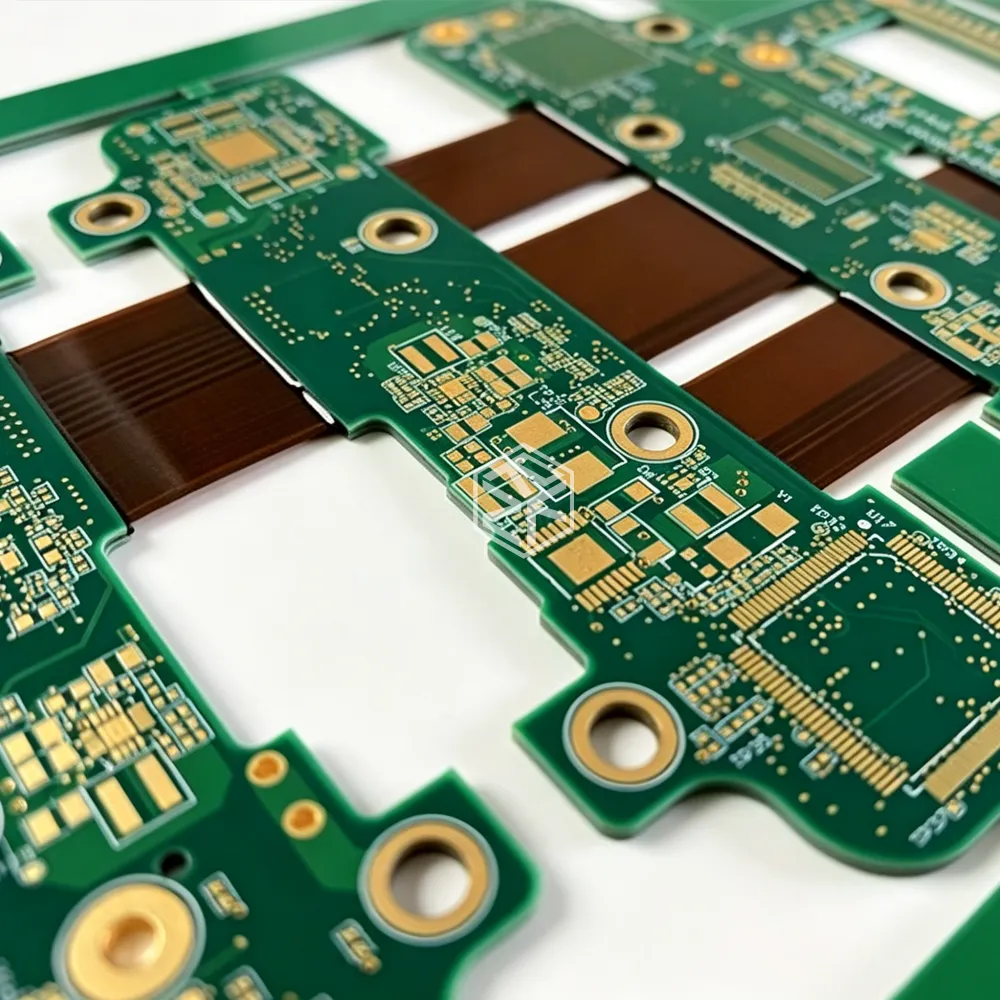
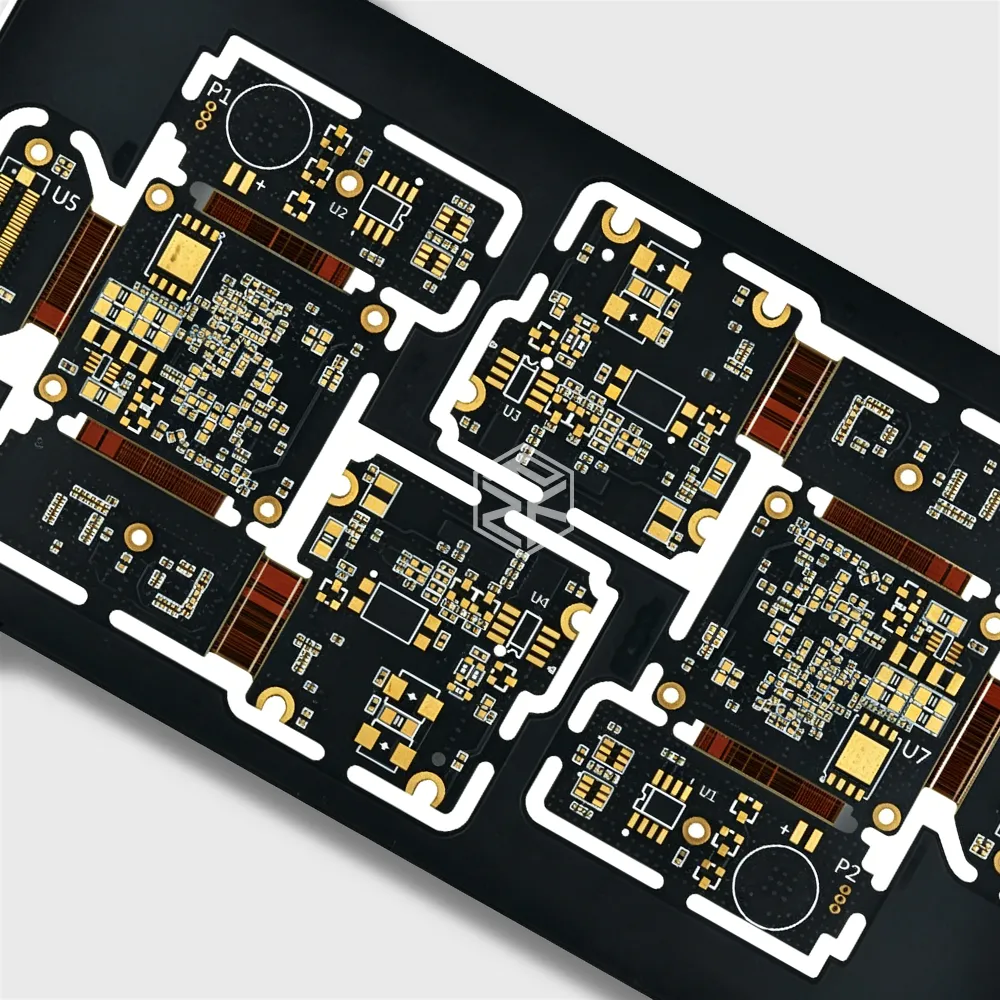
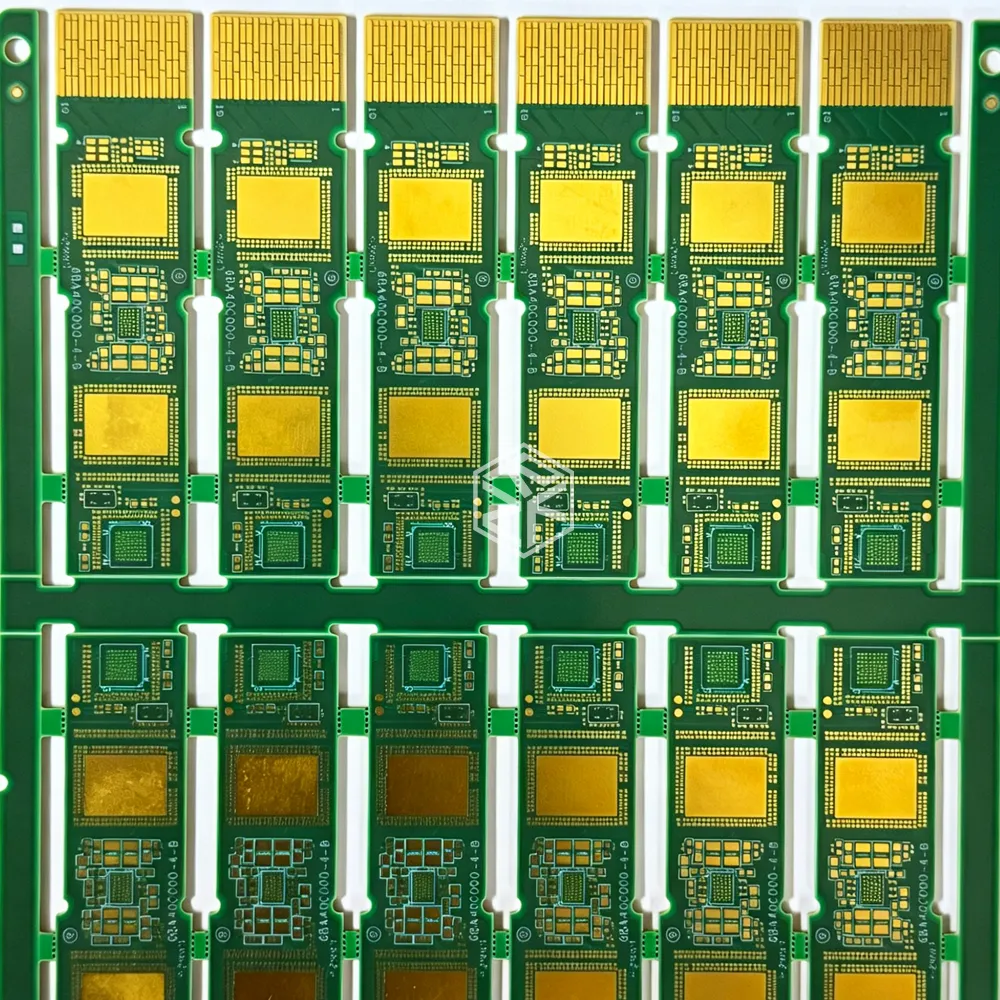
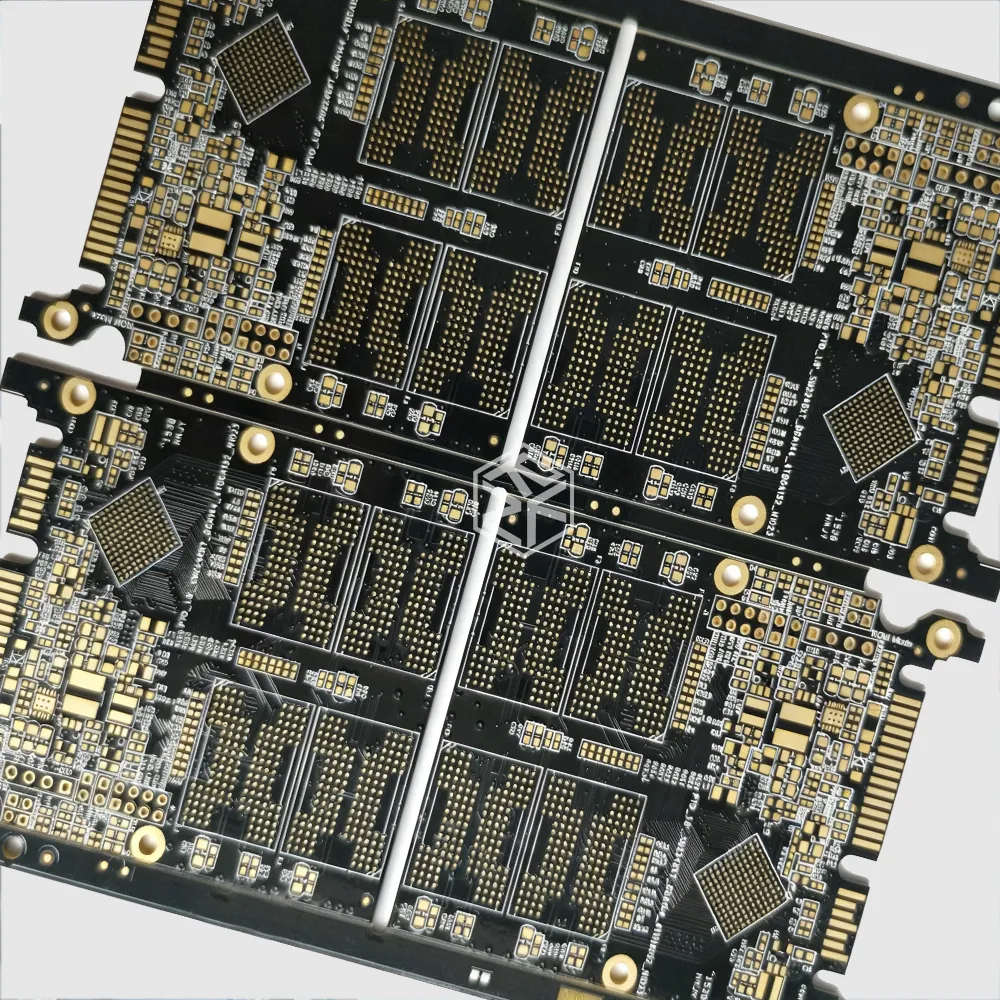
➡ At Rich Full Joy, we support custom ESC PCB designs with enhanced copper weight (2–3oz), better thermal paths, and modular layouts to suit your drone's housing.
ESC Integration Tips: PCB & PCBA Best Practices
When integrating ESCs into your drone control board:
- Use 4-layer or 6-layer stack-ups for signal/power separation
- Implement thermal vias and copper pours for heat transfer
- Select low ESR capacitors near power rails to stabilize voltage
- Use X-ray AOI / ICT testing to ensure PCBA reliability
We offer turnkey ESC PCBA assembly with high-speed SMT and 100% functional testing before shipment.
Conclusion: Invest in the Right ESC, Avoid Costly Failures
ESC selection isn't just about price—it's a critical engineering choice that affects the safety, efficiency, and lifecycle cost of your UAV. Partner with a supplier that understands the electrical, mechanical, and thermal integration of your drone systems.
✅ Need ESC Customization or PCBA Support?
At Rich Full Joy, we provide:
- Custom ESC PCB design & layout
- Full PCBA assembly with MOSFET, MCU, Hall sensors
- Batch testing, conformal coating, and final QA
- Rapid prototyping for flight control boards & modules