
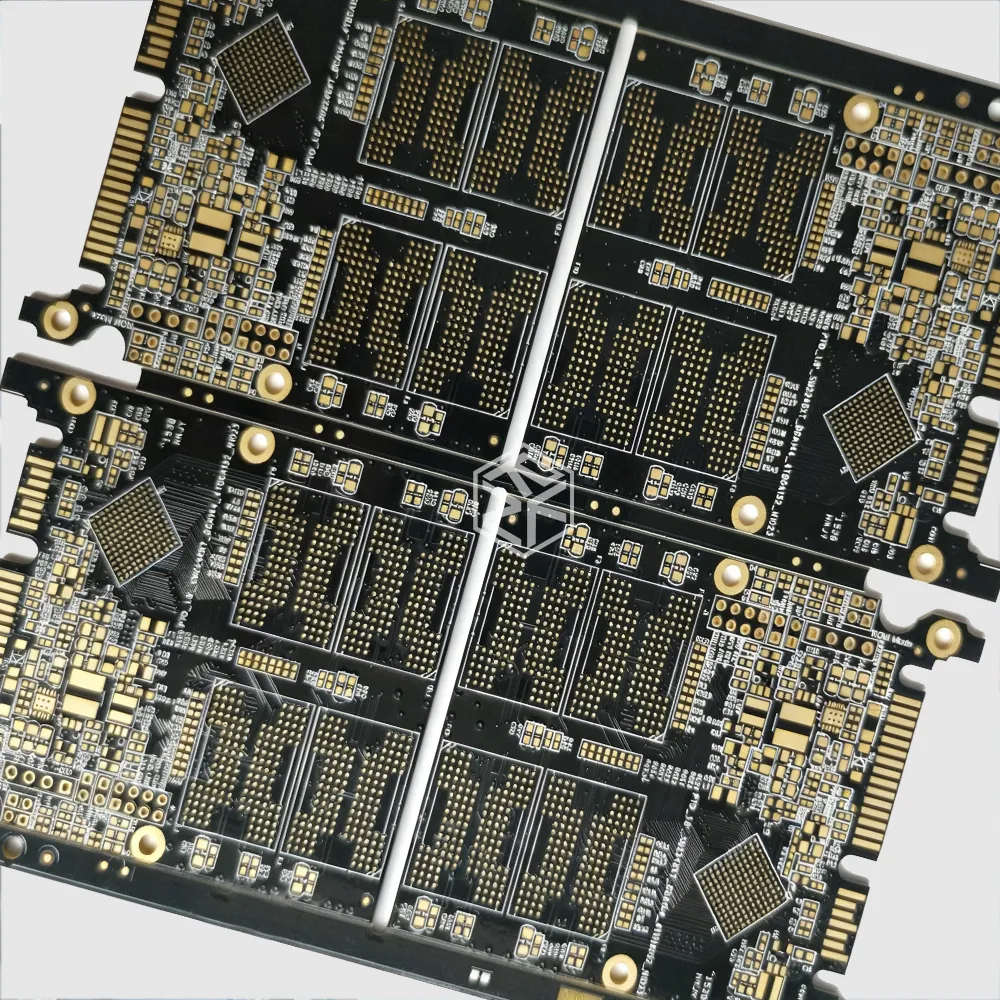
Flexible PCB in SMT Assembly | Flex Circuit Applications & Benefits
Exploring the Role of Flexible PCBs in SMT PCB Assembly: Applications, Advantages, and Design Insights
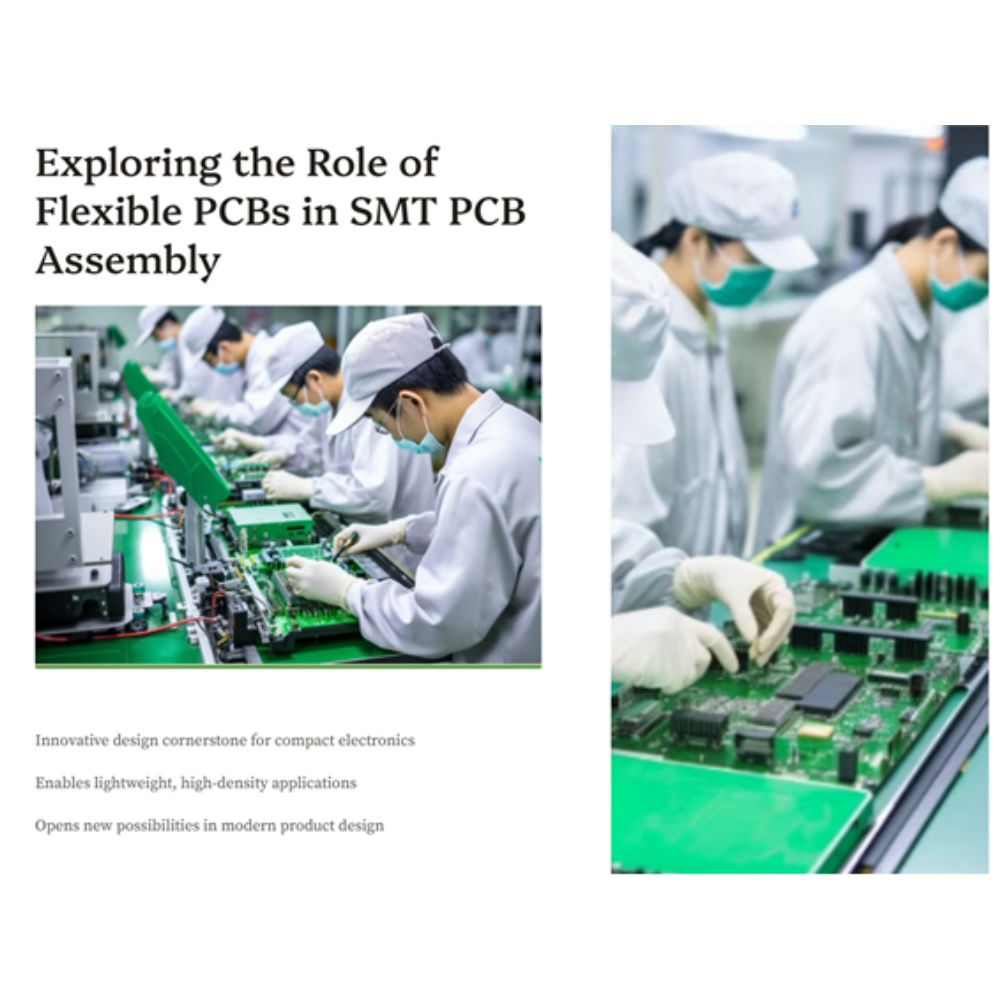
In the constantly evolving field of electronics manufacturing, flexible printed circuit boards (flex PCBs) have become a cornerstone for innovative design and compact device integration. With the surge in demand for lightweight, high-density, and space-saving electronics, the integration of flexible PCBs in Surface Mount Technology (SMT) PCB assembly has opened new possibilities in modern product design.
This article delves into the applications, benefits, and critical considerations when using flexible PCBs in SMT PCB assembly processes.
- What Is a Flexible PCB and How Does It Integrate with SMT Assembly?
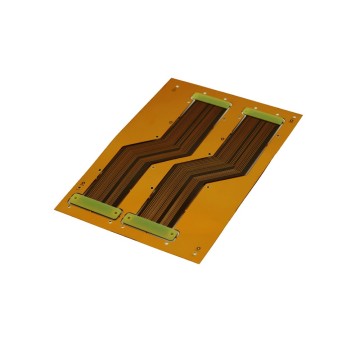
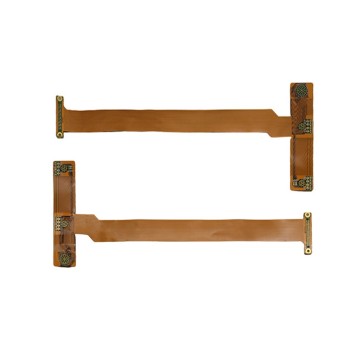
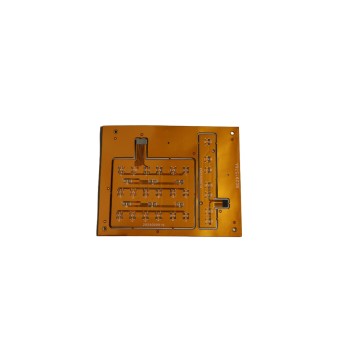
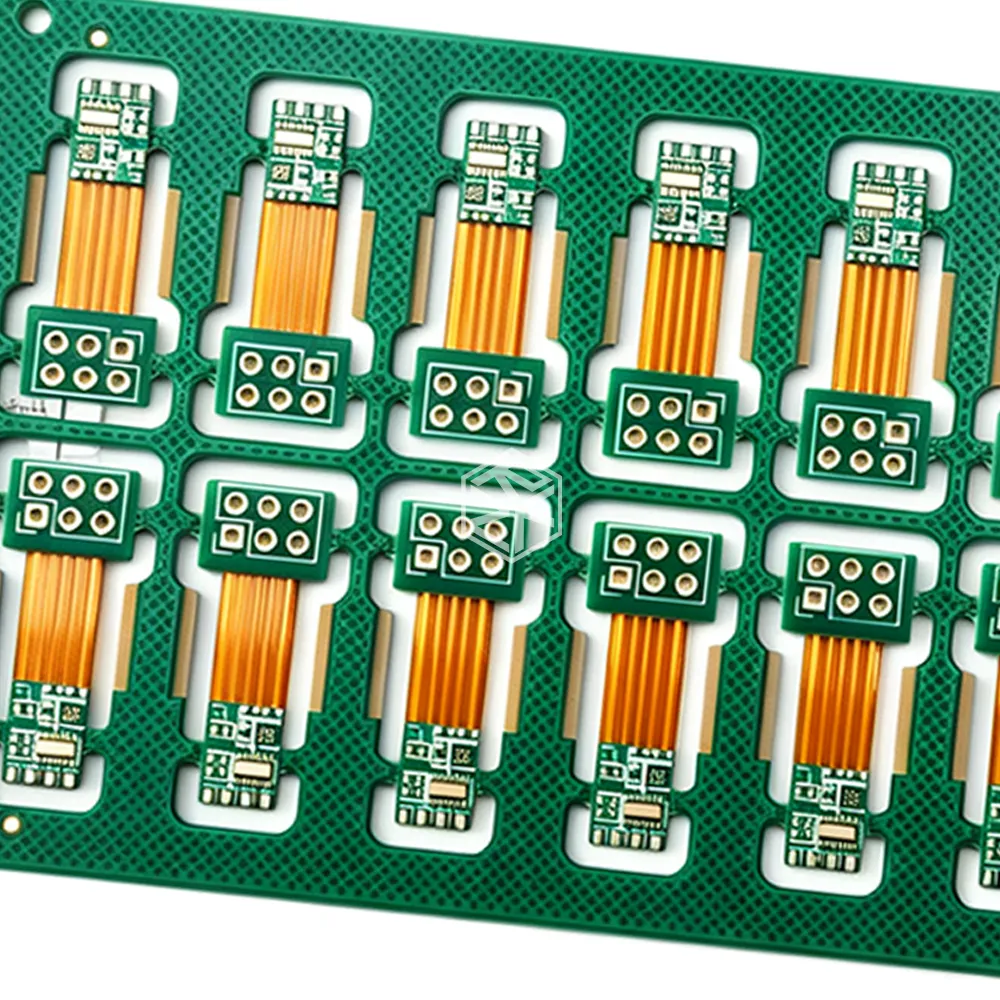
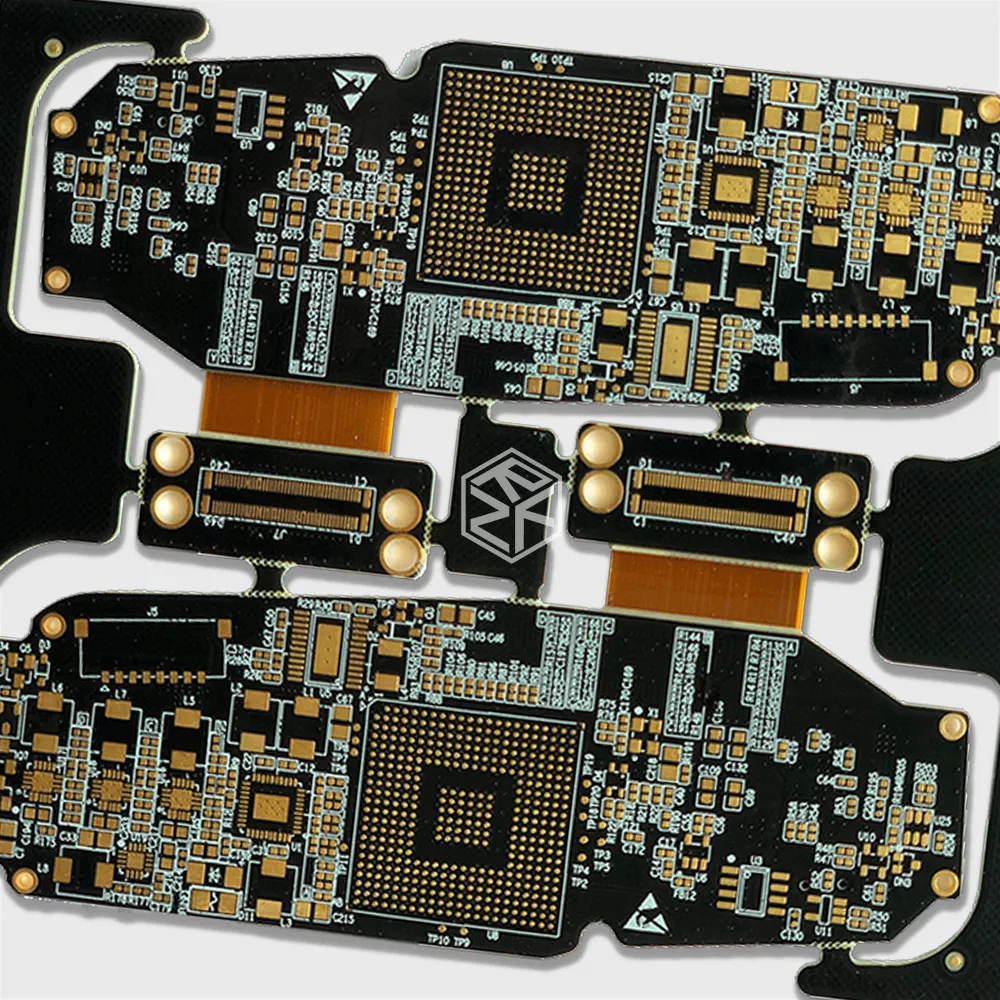
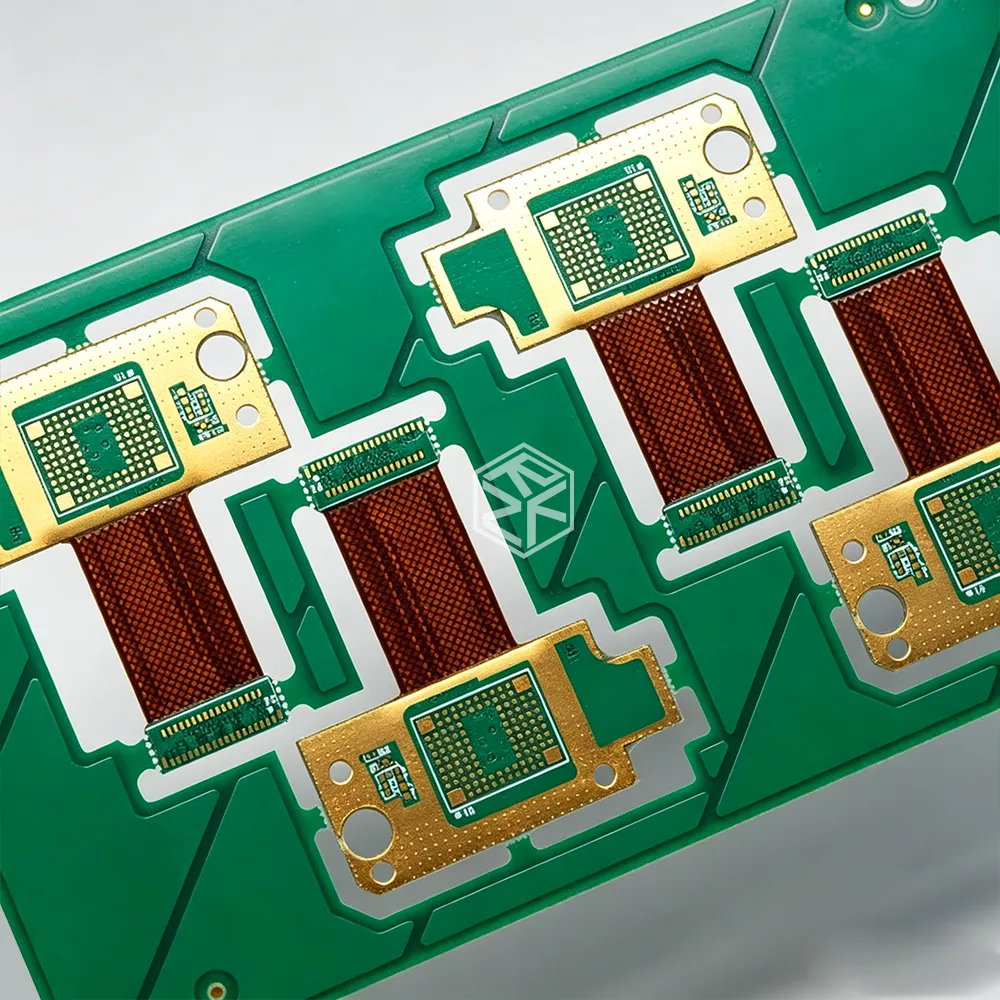
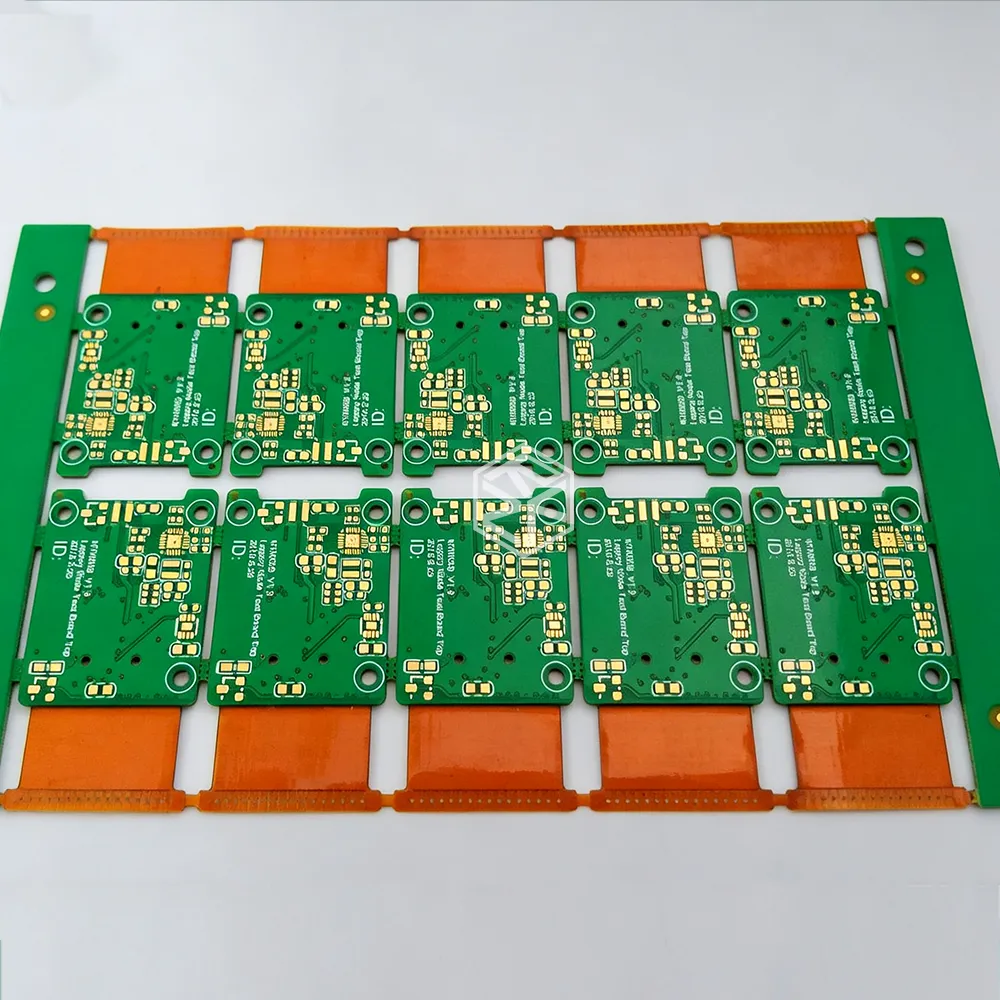
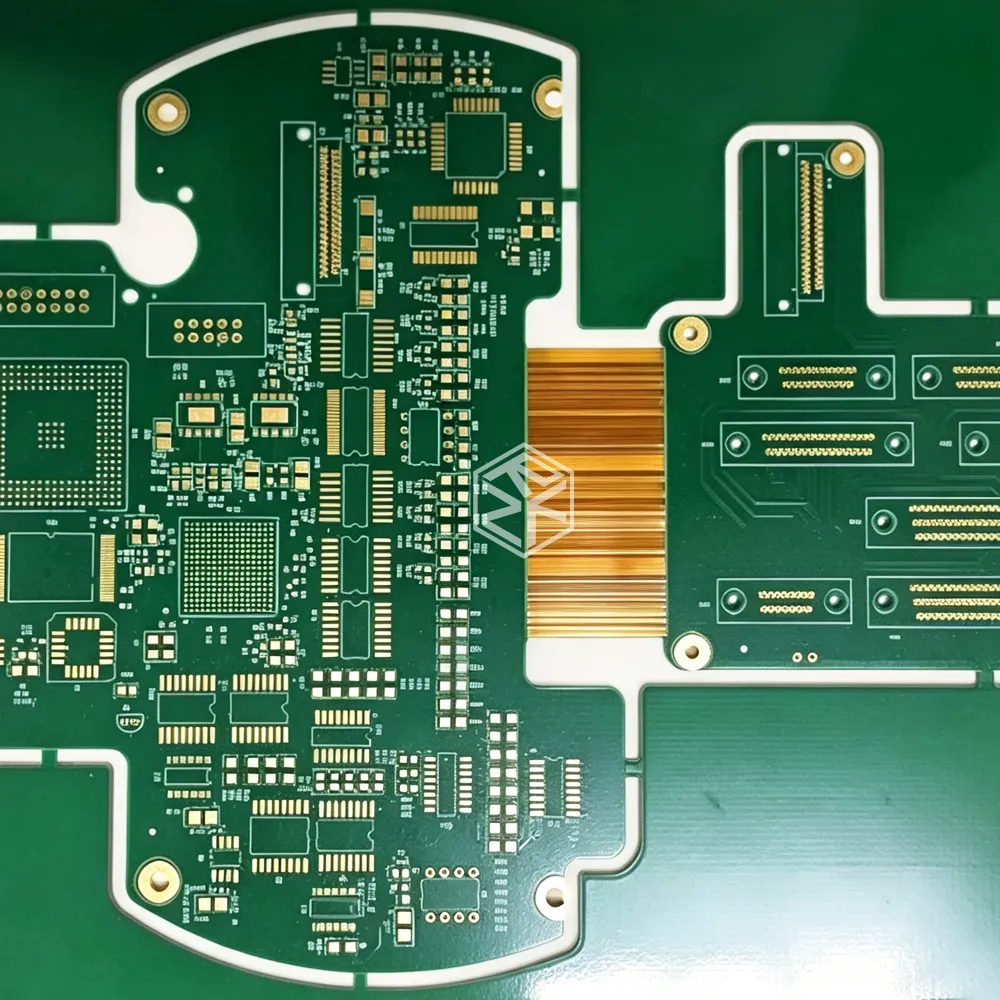
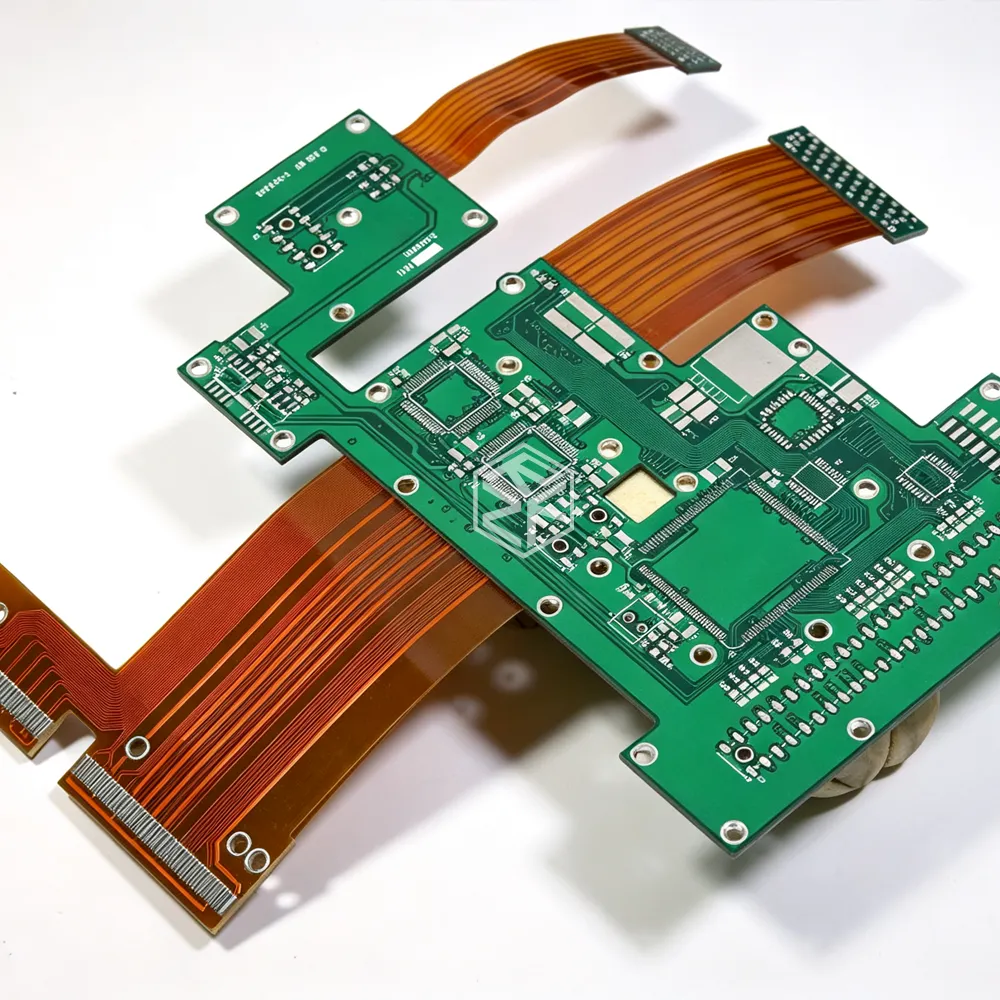
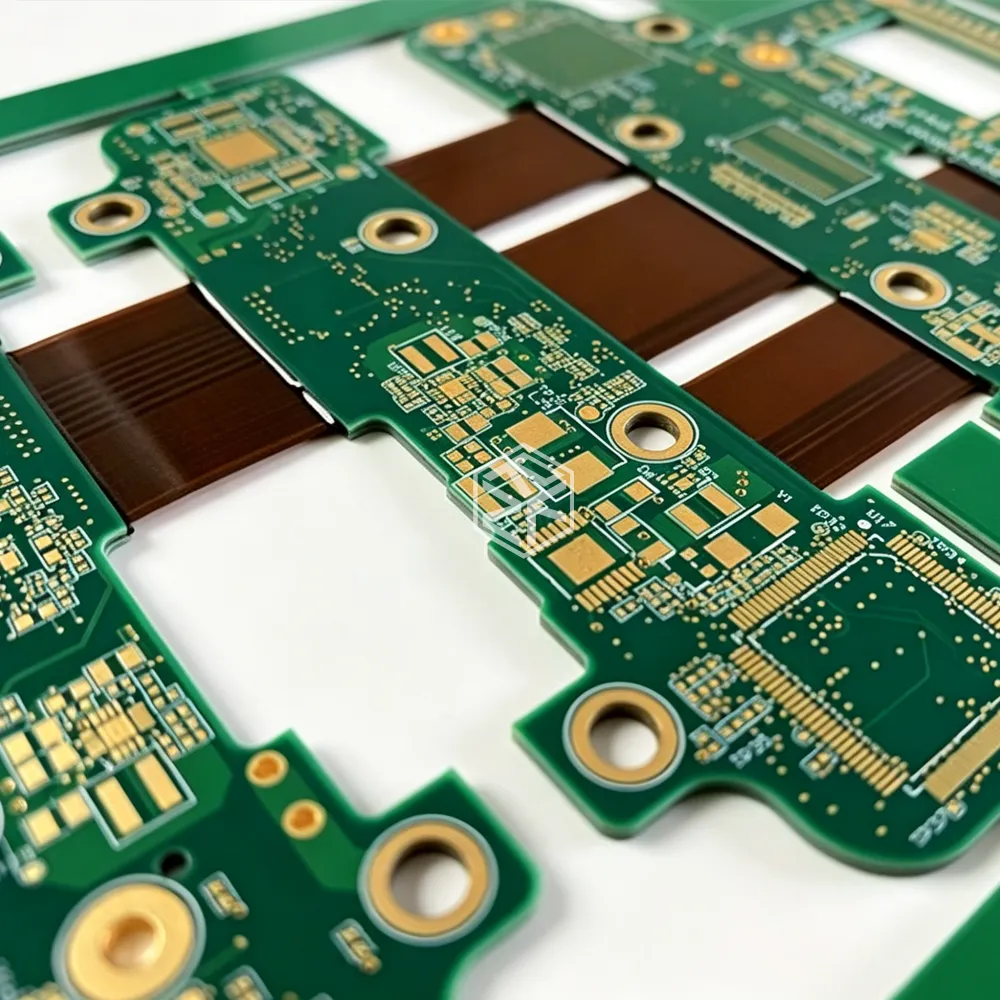
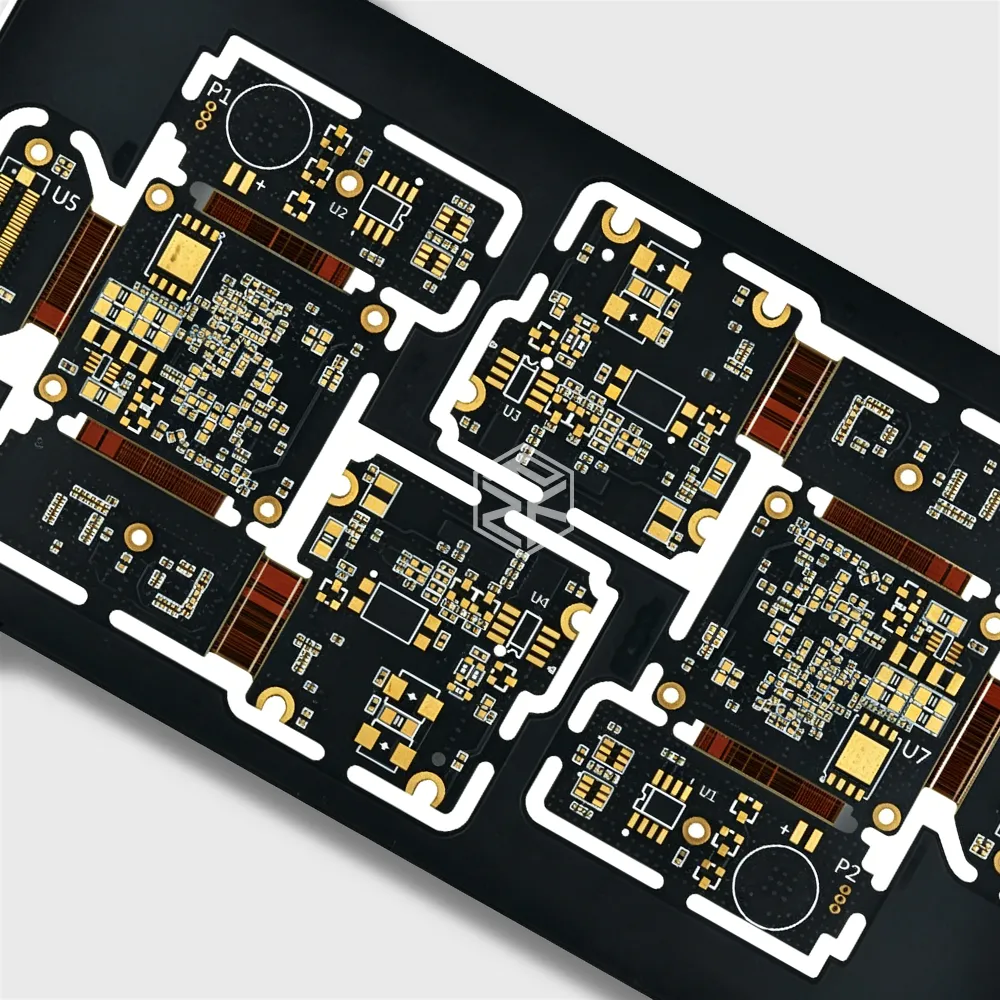
Flexible PCBs are constructed using materials such as polyimide (PI) or polyester (PET), which allow the circuit to bend, twist, and fold without losing functionality. Unlike rigid PCBs, flexible circuits can conform to dynamic shapes, making them ideal for three-dimensional interconnection, especially in compact devices.
In SMT PCB assembly, flexible PCBs undergo the same reflow soldering processes as rigid boards. However, their handling and fixture techniques are customized due to their bendable nature. Stiffeners and custom carriers are often used to stabilize the flex PCB during placement and soldering stages.
- Key Applications of Flexible PCBs in SMT PCB Assembly
The versatility of flex circuits has enabled their widespread use across multiple high-performance sectors:
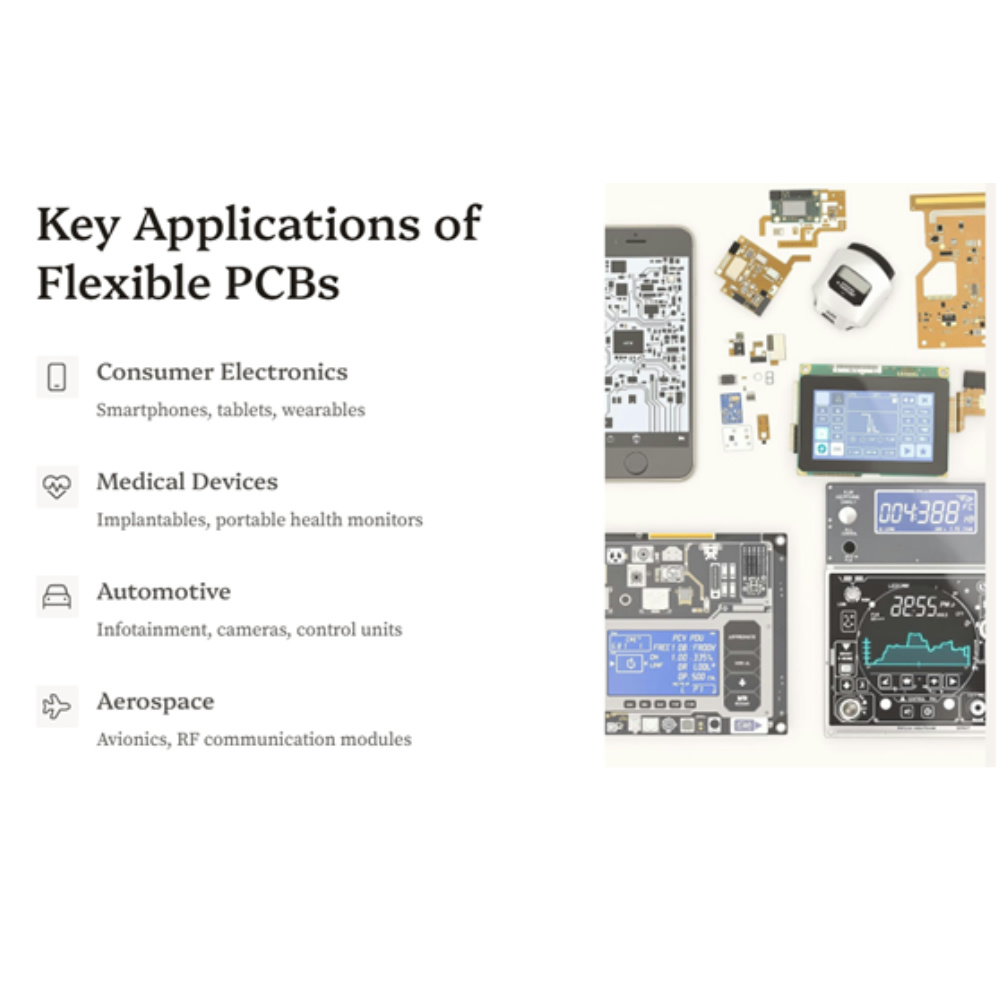
- Consumer Electronics:Smartphones, tablets, and wearable devices utilize flex PCBs to connect modules in limited spaces.
- Medical Devices:Flex PCBs support miniaturization and biocompatibility in implantable and portable health monitors.
- Automotive Electronics:Deployed in infotainment systems, camera modules, and control units where space and flexibility are crucial.
- Aerospace and Defense:Used in avionics systems and compact RF communication modules due to their high reliability under vibration and temperature extremes.
- Advantages of Flexible PCBs in SMT Processes
Integrating flexible PCBs into SMT assembly brings a multitude of engineering and production advantages:
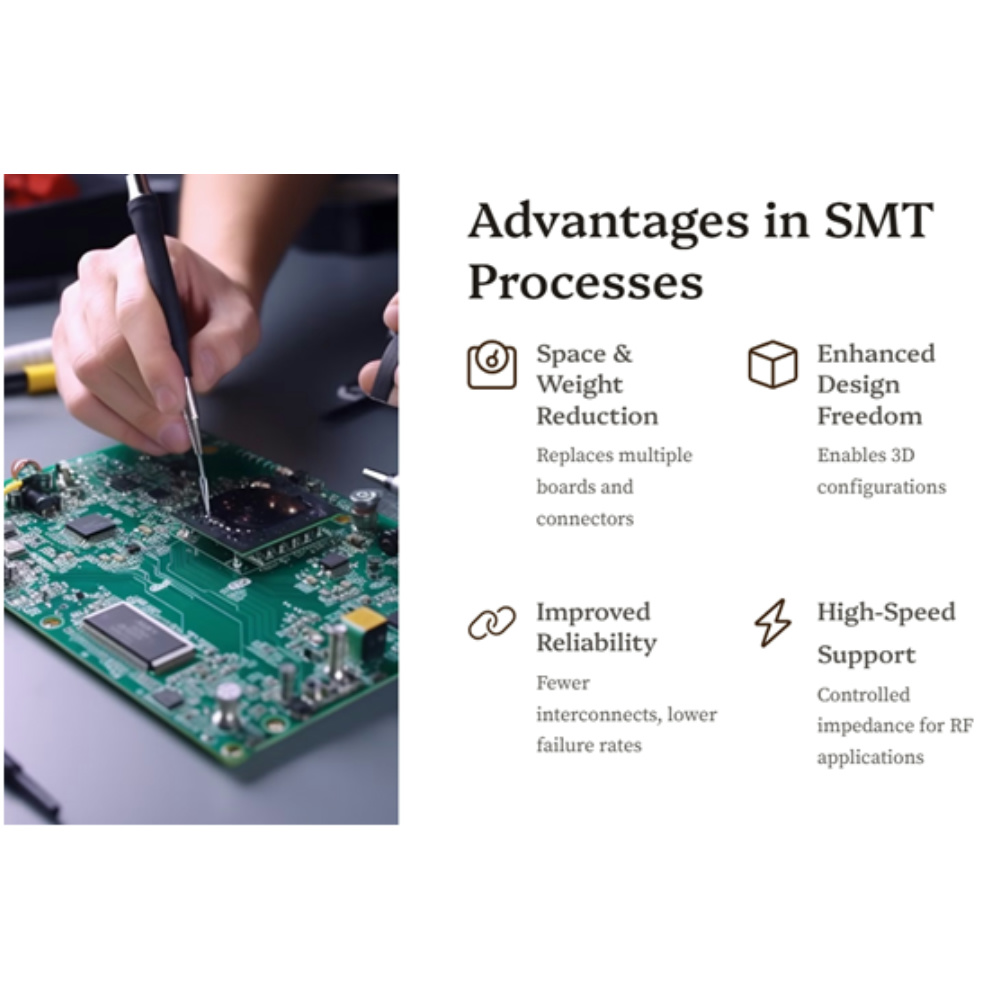
- ✅Space and Weight Reduction: Flex PCBs replace multiple rigid boards and connectors, reducing bulk and weight significantly.
- ✅Enhanced Design Freedom: Enables 3D configurations, allowing creative and compact product design.
- ✅Improved Reliability: Fewer interconnects mean lower failure rates and better signal integrity.
- ✅High-Speed Signal Support: Flex materials offer controlled impedance and minimal signal reflection, suitable for high-frequency RF PCBs.
- ✅Durability in Dynamic Environments: Ideal for applications involving repeated motion, shock, or vibration.
- Key Considerations for Flex PCB in SMT Assembly
When incorporating flex PCBs into SMT PCB assembly, several technical factors should be carefully managed:
- Thermal Management:Flex circuits are thinner and may dissipate heat differently; thermal profiles need precise calibration.
- Component Placement:Avoid placing components on bending areas; critical for maintaining mechanical integrity.
- Solder Joint Stress:The flexible nature of the board can stress solder joints if not supported properly during reflow.
- Fixture Design:Special fixtures or carriers are required to hold flex PCBs flat and secure during automated assembly.
- Cleanroom Compatibility:In some high-reliability industries (like medical and aerospace), cleanroom-compatible flex PCB assembly is critical.
- Rich Full Joy’s Capabilities in Flex PCB SMT Assembly
At Rich Full Joy, we specialize in one-stop solutions for flexible PCB and flex-rigid PCB assembly, tailored for high-frequency, high-speed, and mission-critical applications. With over 20 years of experience in SMT manufacturing, we provide:
- Customized fixture design for flex PCB assembly
- IPC Class 2 and Class 3 certified manufacturing processes
- X-ray inspection and AOI for fine-pitch SMT components
- Material sourcing for high-reliability polyimide and adhesive-less flex substrates
- End-to-end support from prototype to mass production
Whether you're designing RF modules for aerospace, ultra-compact consumer electronics, or sensor-based automotive solutions, our team ensures precision SMT assembly that maximizes the performance of flexible PCBs.
The integration of flexible PCBs in SMT PCB assembly enables next-generation electronics to be lighter, smaller, more reliable, and functionally versatile. As product designs become increasingly complex, choosing the right flex PCB assembly partner is critical. At Rich Full Joy, we are committed to helping engineers and procurement professionals achieve excellence through high-quality, cost-effective flex PCB solutions.