
PCBA One-Stop Service vs Traditional Manufacturing: Which Model Wins the Future of Electronics?
In the ever-evolving landscape of the electronics manufacturing industry, procurement professionals stand at a strategic crossroads: should they stick with the traditional manufacturing model or embrace the transformative promise of PCBA one-stop service?
This choice ripples across every aspect of a business—from cost control to production efficiency and product quality. A thorough comparison between these two models is now essential for making informed decisions that ensure long-term competitiveness and innovation.
Design Phase: The Efficiency of Collaborative Design VS the Hurdles of Communication Barriers
Shortcomings of the Traditional Manufacturing Model
In a traditional model, PCB design and production are often handled by separate entities with minimal collaboration. Design firms focus solely on functionality, often neglecting manufacturability. This disconnect can result in design choices—like dense placement of high-heat components—that complicate SMT assembly and compromise product reliability.
Without real-time input from process engineers or assembly teams, critical decisions like component layout or trace routing may clash with actual production requirements. Industry data reveals that design-production disconnection can extend product development cycles by 20%–30%, increasing time-to-market and development costs.
Advantages of PCBA One-Stop ServicePCBA
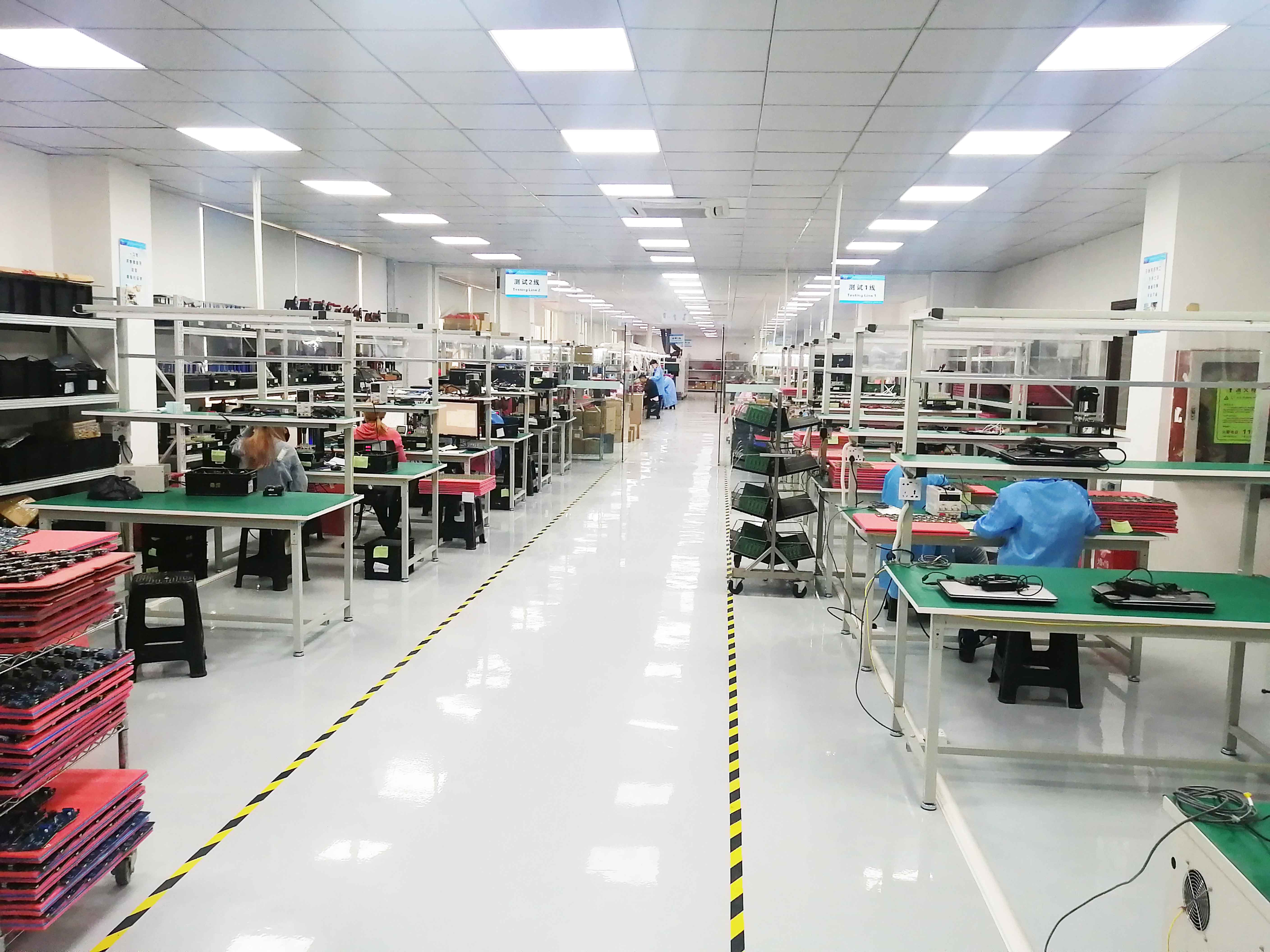
PCBA one-stop providers function as integrated, cross-functional teams. Designers and process engineers collaborate from the outset, optimizing layouts based on the capabilities of real production equipment.
For instance, in the design of a high-speed communication device, engineers grouped high-frequency components in alignment with SMT placement tolerances, ensuring both signal integrity and assembly efficiency. This type of DFM (Design for Manufacturability) dramatically reduces redesign risk, improves first-pass yield, and lowers the defect rate. Studies show that collaborative projects using one-stop services reduce design defects by approximately 50%, with significantly higher product qualification rates.
Procurement Phase: Comparison Between Economies of Scale and Decentralized Procurement
Limitations of the Traditional Manufacturing Model
In traditional models, procurement is fragmented across multiple stages—boards, components, and auxiliary materials are all sourced separately. Procurement teams must coordinate with various suppliers, often placing small, scattered orders, which weakens their negotiation power.
For example, a small batch order for a commonly used IC may be priced significantly higher than a large-volume purchase. Without centralized planning, mismatched delivery times can disrupt the production schedule, resulting in idle lines, increased inventory costs, and cash flow delays. According to estimates, such inefficiencies can result in annual losses equivalent to 10%–15% of total procurement costs.
Advantages of PCBA One-Stop ServicePCBA
One-stop PCBA providers operate at large scale, enabling them to:
●Forge long-term strategic partnerships with top-tier suppliers
●Negotiate bulk discounts on components like capacitors, resistors, and ICs (with cost reductions of 15%–20% compared to traditional models)
●Implement intelligent inventory systems for accurate demand forecasting and just-in-time (JIT) procurement
This results in lower capital occupancy, improved cash turnover, and reduced inventory risks. Industry research shows that companies using one-stop PCBA services experience a 30%–40% improvement in capital turnover efficiency, which is vital for maintaining financial health and agility in a competitive market.
Advantages of PCBA One - Stop Service
PCBA one - stop service enterprises, with their large - scale production needs, are like giant ships in the industry and have a strong influence in the market. They establish long - term and stable strategic cooperation relationships with high - quality suppliers. This cooperation relationship is like a solid bridge, connecting the interests and development of both parties. The procurement team of one - stop service enterprises is like a well - trained army, capable of concentrating on purchasing various raw materials and electronic components. Due to the large purchase volume, when negotiating prices with suppliers, they are like powerful negotiators, occupying an absolute dominant position and can easily obtain more favorable purchase prices. Taking a well - known one - stop service enterprise as an example, through centralized procurement, the purchase price of basic electronic components such as resistors and capacitors has been reduced by 15% - 20% compared with the traditional model. In addition, one - stop service enterprises use advanced information technology to build an accurate demand forecasting and inventory management system. This system is like the intelligent brain of the enterprise, which can accurately predict the demand for raw materials according to past production data, market demand trends, and customer order situations, and achieve on - demand procurement of raw materials. In this way, enterprises can minimize inventory backlogs, effectively reduce capital costs, and improve capital turnover rates. According to industry data, the capital turnover rate of enterprises using one - stop service has increased by an average of 30% - 40% compared with the traditional model, greatly enhancing the capital operation ability of enterprises.
Processing Phase: The Efficiency of Internal Collaboration VS the Coordination Challenges of Multiple Suppliers
Quality Control Phase: The Reliability of Full - Process Monitoring VS the Loopholes of Segmented Control
Supply Chain Flexibility: Comparison of the Ability of Quick Response and Flexible Adaptation