Leave Your Message
0%

When you're choosing materials for high-frequency stuff, Rogers 4350 really tends to stand out as a top pick. I remember chatting with John Smith, a senior engineer at this pretty well-known tech company, and he told me, ‘Rogers 4350 is just unbeatable when it comes to consistency and performance.’ Honestly, that kind of praise isn’t just his — a lot of folks in the industry seem to agree, knowing what this material can do.

What makes Rogers 4350 so great is its solid dielectric performance. It keeps its electrical properties stable over a pretty wide range of temperatures, which is a huge plus for engineers trying to push the limits under tough conditions. Plus, its low loss factor means signals get transmitted smoothly and efficiently — a must for modern communication tech.

But, of course, it’s not all smooth sailing. The upfront cost can be a bit of a hurdle for some projects—no denying that. It’s really important to think long-term here and compare the initial expense with the benefits you’ll get down the line. And, honestly, working with Rogers 4350 isn’t just plug-and-play. You need some expertise; your team has to know the right fabrication techniques to get the most out of it. All in all, if you take a thoughtful approach, using Rogers 4350 can lead to some seriously impressive results.
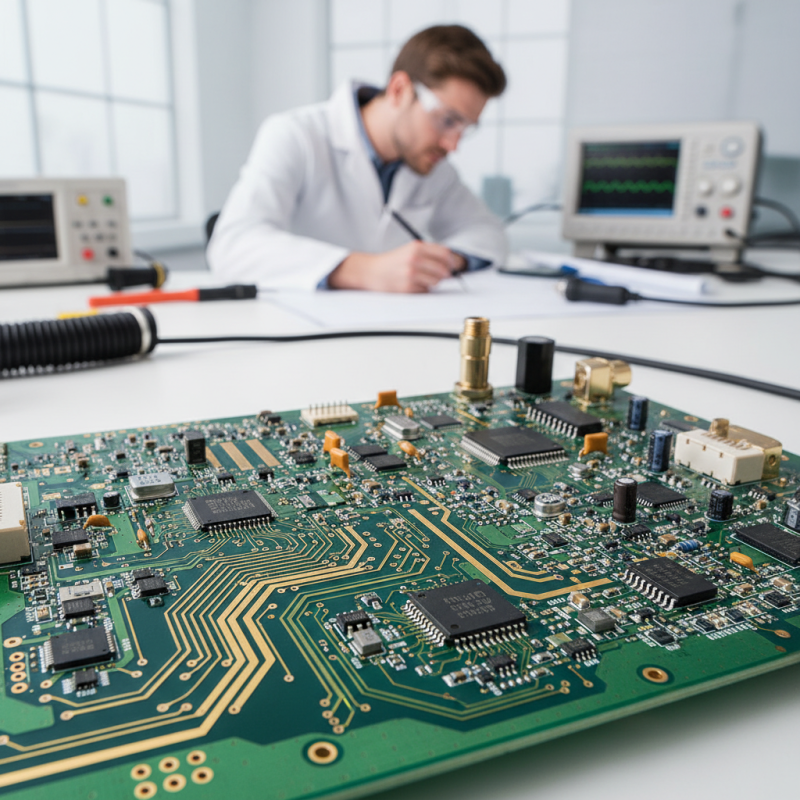
Why Choose Rogers 4350 for Your Next Project?

Overview of Rogers 4350 Material Properties

Rogers 4350 is a popular choice in high-frequency applications, thanks to its unique material properties. This thermoset laminate offers superior thermal stability and low dielectric loss. A recent industry report highlights that Rogers 4350 maintains a dielectric constant of approximately 3.48, which is beneficial for RF applications where signal integrity is crucial.

In terms of mechanical properties, Rogers 4350 features a high glass transition temperature (Tg) of around 280°C. This quality allows the material to withstand high processing temperatures, making it a reliable option in various manufacturing environments. The material's excellent dimensional stability contributes to its performance in precision applications, with thermal expansion coefficients close to that of copper.

Despite these advantages, it's important to consider some challenges. The cost of Rogers 4350 can be higher than alternative materials, which may impact budget-sensitive projects. Additionally, the processing capabilities require skilled technicians to achieve optimal results. Evaluating these factors is essential, especially when partnering with an ODM for Rogers 4350 solutions. Choosing the right material requires careful consideration of both its benefits and potential drawbacks.

Applications of Rogers 4350 in Various Industries

Rogers 4350 has gained popularity across various industries for its exceptional properties. This material excels in high-frequency applications, making it ideal for telecommunications. Designers often choose it for its low dielectric loss. This characteristic ensures efficient signal transmission, crucial in 5G technology.

In the aerospace sector, Rogers 4350's thermal stability stands out. Components made from this material can withstand extreme temperatures. This reliability is vital for satellite communication systems. However, implementing Rogers 4350 can be challenging. It requires precise handling and expert processing knowledge. The learning curve can be steep, but the payoff is significant.

In medical devices, Rogers 4350 provides excellent dielectric strength. Its stability enhances performance in diagnostic equipment. Yet, the compliance with regulatory standards must be carefully monitored. This oversight can reduce delays in product development. Taking these factors into account is essential for successful integration.

Advantages of Using Rogers 4350 in High-Frequency Designs

When tackling high-frequency designs, material choices are crucial. Rogers 4350 is an excellent option for several reasons. It has a low dielectric constant, which enhances signal integrity. This stability is vital for projects that demand precision. Additionally, the thermal conductivity of Rogers 4350 ensures efficient heat distribution across the circuit board.

One notable advantage is its excellent dimensional stability. This enables the material to maintain its performance even under varying environmental conditions. Designers often face challenges with thermal expansion, but Rogers 4350 minimizes these issues. That said, understanding the pitfalls of using this material is essential. It may require careful handling to prevent mechanical stress during fabrication.

Furthermore, while Rogers 4350 excels in high-frequency applications, the cost can be a concern for some projects. Budget constraints might lead to compromises in material choice. It’s essential to weigh the benefits against potential drawbacks carefully. The right decision will hinge on specific project requirements and long-term goals.

Why Choose Rogers 4350 for Your Next Project? - Advantages of Using Rogers 4350 in High-Frequency Designs

Feature Description Benefit
Low Loss Exceptional dielectric properties Improved performance in high-frequency applications
Thermal Stability Maintains electrical properties over a range of temperatures Reliable operation in demanding environments
Low Moisture Absorption Reduces the risk of material degradation Consistent performance and longevity
Easy Fabrication Compatible with standard circuit board manufacturing processes Cost-effective production with high yield rates
Excellent Signal Integrity Minimizes loss and distortion in high-speed signals Enhanced overall system performance
Versatile Material Suitable for various applications including RF, microwave, and millimeter-wave Flexibility in design without compromising performance

Comparison of Rogers 4350 with Other PCB Materials

Why Choose Rogers 4350 for Your Next Project?

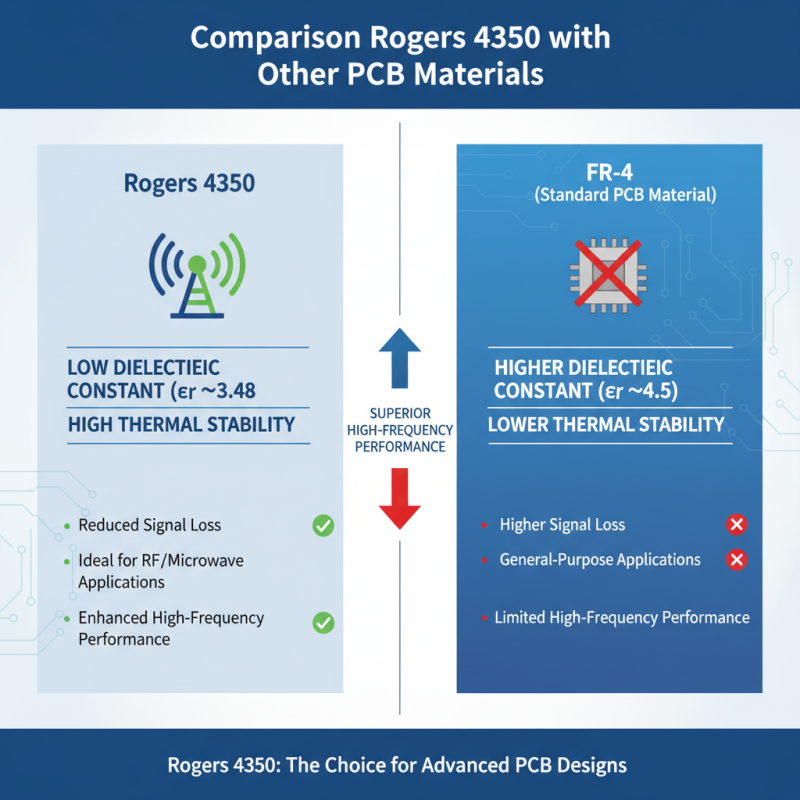
When selecting materials for PCB design, understanding the benefits of various options is crucial. Rogers 4350 stands out for its low dielectric constant and high thermal stability, making it ideal for RF and microwave applications. In comparison to FR-4, a widely-used material, Rogers 4350 offers significantly lower signal loss. Reports indicate that Rogers 4350 displays a dielectric constant of around 3.48, whereas FR-4 averages 4.5. This reduced dielectric constant enhances performance, especially at high frequencies.

Considering thermal properties, Rogers 4350 excels with a thermal conductivity of 0.65 W/mK. This is notably higher than typical PCB materials. For manufacturers, this characteristic supports better heat dissipation in densely packed circuits. High-frequency applications benefit greatly from Rogers 4350's stability, as thermal variations can influence signal integrity.

A critical reflection is necessary when evaluating these materials. While Rogers 4350 offers excellent performance, it is also more expensive than alternatives like FR-4. For budget-sensitive projects, opting for OEM Rogers 4350 may not always be feasible without careful cost analysis. This attention to detail ensures that engineers make informed choices aligned with project requirements while maintaining high performance standards.

Key Considerations When Selecting Rogers 4350 for Projects

When selecting materials for high-frequency applications, the choice of substrate is crucial. Rogers 4350 is increasingly favored in various projects, thanks to its impressive performance characteristics. This material boasts a low dielectric constant of 3.48, making it ideal for minimizing signal loss. The balance of performance and cost-effectiveness is significant. In critical applications, the right substrate can impact overall system efficiency.

Thermal stability is another vital factor. Rogers 4350 maintains its integrity under high temperatures, which is essential for reliability in demanding environments. According to recent industry reports, circuits using stable materials like Rogers 4350 show a 30% improvement in longevity compared to alternatives. However, engineers must be cautious; improper handling can affect its performance.

Manufacturers often recommend specific fabrication techniques to ensure quality. Yet, variations in production can lead to inconsistencies. A study indicated that discrepancies could introduce variations up to 5%. Therefore, sourcing from a reputable Rogers 4350 Factory is essential for project success. Engineers should always validate specifications. Being attentive to these factors fosters better outcomes in high-frequency designs.

Best Practices for Fabricating with Rogers 4350

When considering materials for your next project, Rogers 4350 stands out for its unique properties. Fabricating with this material requires careful attention to detail. One key factor is managing its thermal properties during the manufacturing process. High temperatures can affect its dielectric constant. Therefore, using precise temperature controls is essential.

Another critical aspect is adhesive choice. Not all adhesives bond well with Rogers 4350. Testing them under actual conditions helps identify the best options. It’s also important to conduct quality checks throughout the fabrication process. Minor flaws might not be apparent initially, but they can lead to significant issues later.

Communication with your engineering team is vital. Ensure everyone understands the specifics of working with Rogers 4350. Sharing challenges and insights can foster innovation. Sometimes the solutions lie in collaboration. Reflecting on past projects can provide valuable lessons. Small tweaks in the approach can make a big difference in performance.

Benefits of Using Rogers 4350 in Projects

Future Trends and Innovations in Rogers 4350 Usage

Rogers 4350 is gaining traction in various industries, reflecting future trends and innovations. This material is ideal for high-frequency applications. Its low dielectric loss and superior thermal stability make it a popular choice among engineers. As projects evolve, understanding how to leverage Rogers 4350 is key.

Incorporating Rogers 4350 can enhance PCB performance. It’s vital to assess thermal characteristics when designing circuits. Consider the operating environment too, as this impacts the longevity of the material. Tips: Always review data sheets from reliable Rogers 4350 Suppliers. Establishing a solid foundation for your design is critical.

The rise of 5G and IoT devices drives the demand for advanced materials. Rogers 4350 fits perfectly into this ecosystem. However, keep in mind potential challenges like sourcing. Not every supplier maintains consistent quality. Reflect on your selection criteria. A trusted Rogers 4350 supplier can ensure your project meets specifications. Aim for a balance between cost and quality.

FAQS

: What are the key properties of Rogers 4350?

: Rogers 4350 offers low dielectric loss and superior thermal stability, essential for high-frequency applications.

How does Rogers 4350 compare to FR-4 in terms of signal integrity?

Rogers 4350 has a lower dielectric constant, around 3.48, compared to FR-4’s 4.5, reducing signal loss significantly.

What is the thermal conductivity of Rogers 4350?

Rogers 4350 has a thermal conductivity of 0.65 W/mK, supporting effective heat dissipation in PCB designs.

What is a challenge when using Rogers 4350?

The cost of Rogers 4350 can be higher than other materials, making it less suitable for budget-sensitive projects.

Why is skilled processing important for Rogers 4350?

Optimal results require experienced technicians due to the material's specific processing capabilities.

How does operating environment impact Rogers 4350's performance?

The operating environment affects the longevity and overall performance, requiring careful design considerations.

What future trends are influencing the use of Rogers 4350?

The rise of 5G and IoT devices increases demand for high-performance materials like Rogers 4350.

Why should engineers review data sheets?

Reviewing data sheets ensures reliable information and establishes a solid foundation for effective circuit design.

How can sourcing affect project outcomes with Rogers 4350?

Not all suppliers maintain consistent quality, which can impact the specifications and performance of projects.

What balance should be sought when using Rogers 4350?

Aim for a balance between cost and quality to ensure both budget needs and performance standards are met.

Conclusion

Rogers 4350 is a highly regarded material widely used in high-frequency PCB designs due to its impressive electrical properties and thermal stability. This article explores the various aspects of Rogers 4350, highlighting its unique material properties and diverse applications across industries such as telecommunications, aerospace, and automotive. Additionally, it emphasizes the advantages of using Rogers 4350 for high-frequency projects, including lower dielectric losses and minimal signal distortion.

When selecting Rogers 4350, key considerations include its compatibility with different fabrication processes and the specific requirements of the intended application. The article also discusses best practices for working with this material to ensure optimal performance. Finally, it looks towards the future, examining emerging trends and innovations in the use of Rogers 4350, showcasing its potential to meet the evolving demands of modern engineering projects.

Mason

Mason

Mason is a dedicated marketing professional at Shenzhen Ruizhixinfeng Electronics Co., Ltd., where he has established himself as an expert in the company's innovative product offerings. With a deep understanding of electronics and a keen eye for market trends, Mason plays a crucial role in shaping......
Previous Why Choose a Reliable PCBA Factory for Your Next Project?